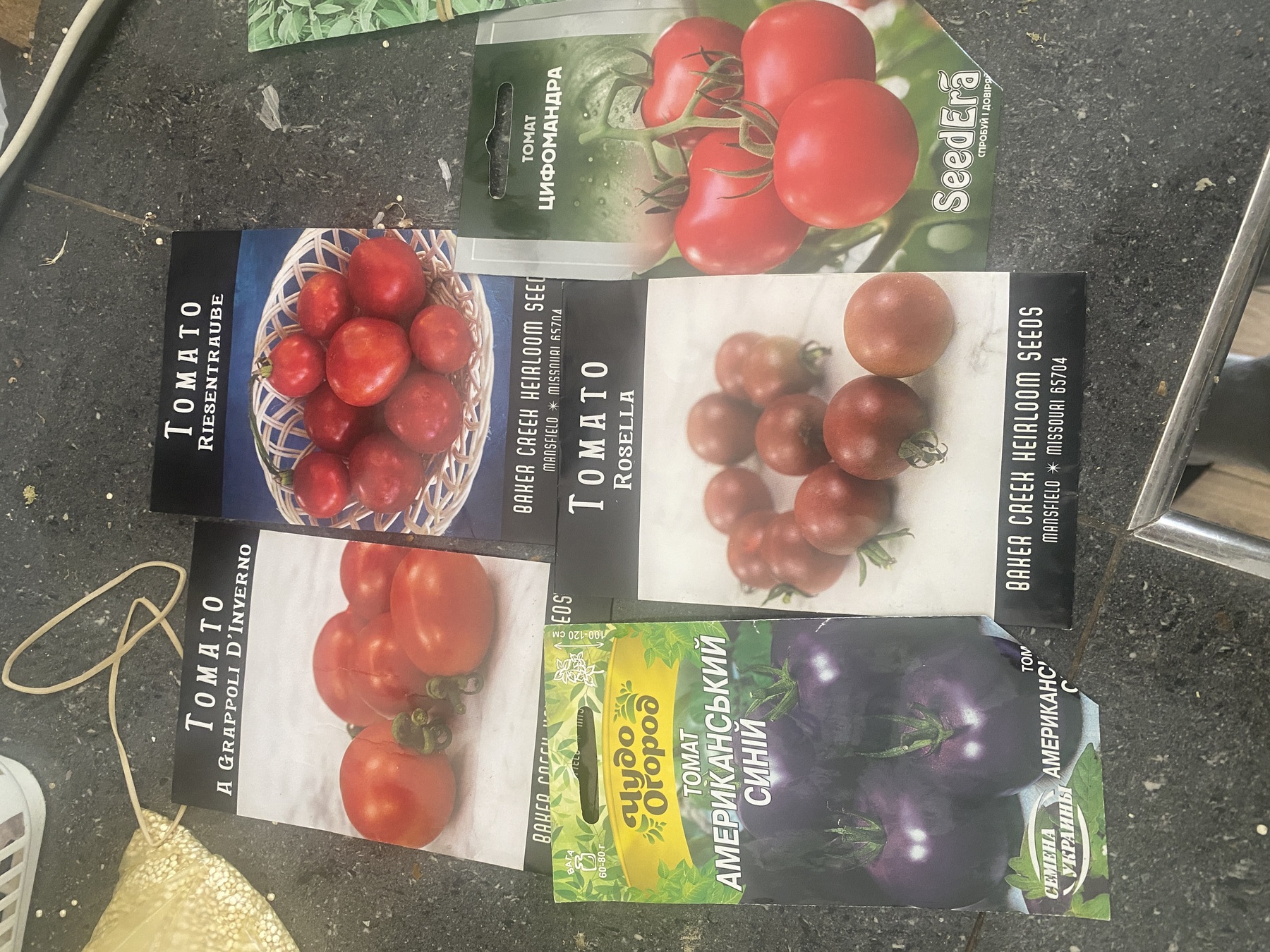
Tiny dusky Rosella cherries and small plum-shaped A Grappoli D'Inverno give the plate different cuts and colors. A modest amount of rocket supplies the peppery leaves.
An illustrated serving concept in an Andean hotel setting.
Alpaca loin with tomatoes and wild rocket
Place the named tomatoes beside grilled alpaca loin, with wild rocket and a little parsley sauce served separately. The tomato mix should still be recognizable, especially the tiny Rosella cherries and small plum-shaped fruit.
Explore alpaca in the ingredient guide. Confirm the actual preparation and availability with the kitchen.
Use ripe tomatoes suited to cutting, halve the small cherries, and add rocket and herbs near serving. Rosella is a tiny dusky cherry; Riesentraube is red; A Grappoli D'Inverno has a small plum form. The variety determines the cut.
The featured ingredient, served on its own.
Illustrated serving concepts and an imagined Sacred Valley garden. These are not photographs of a named restaurant, a current harvest, or a tested recipe.
Let the packet names guide the scale
Rosella's main supplier description identifies tiny dusky rose-purple cherry fruit. Riesentraube supplies small red tomatoes. A Grappoli D'Inverno has a small Roma-like form. Those references support a plate of cherry halves and modest plum shapes rather than oversized beefsteak slices.
The collection also includes Japanese Black Truffle, a different tomato name associated with a pear-shaped fruit. The separate Tsifomandra tomato packet should not be turned into proof of a tree-tomato crop merely because its name resembles another plant. Exact labels help prevent those substitutions.
Baker Creek sells heirloom and open-pollinated varieties. That does not make every named tomato a centuries-old heirloom. Rosella is associated with modern breeding, while other varieties have different histories. The supplier's name is a starting point for that research.
Organic describes production and handling, not a skin color or an old variety name. The organic-labeled Aimers Beef Steak packet is evidence about that seed product. It does not certify a mixed tomato plate or the land on which another variety grew.
Halving a small cherry makes its interior visible and gives the dressing a cut surface to reach. A small plum tomato can be halved or quartered according to size. A sharp knife helps keep the flesh intact.
Keep the pieces manageable. A plate that looks composed should still be comfortable to eat. There is no need to remove every tomato seed or peel each small fruit for this concept; those choices would belong to another preparation and need their own reason.
A second serving, with a different plate and setting.
Use rocket for its peppery character
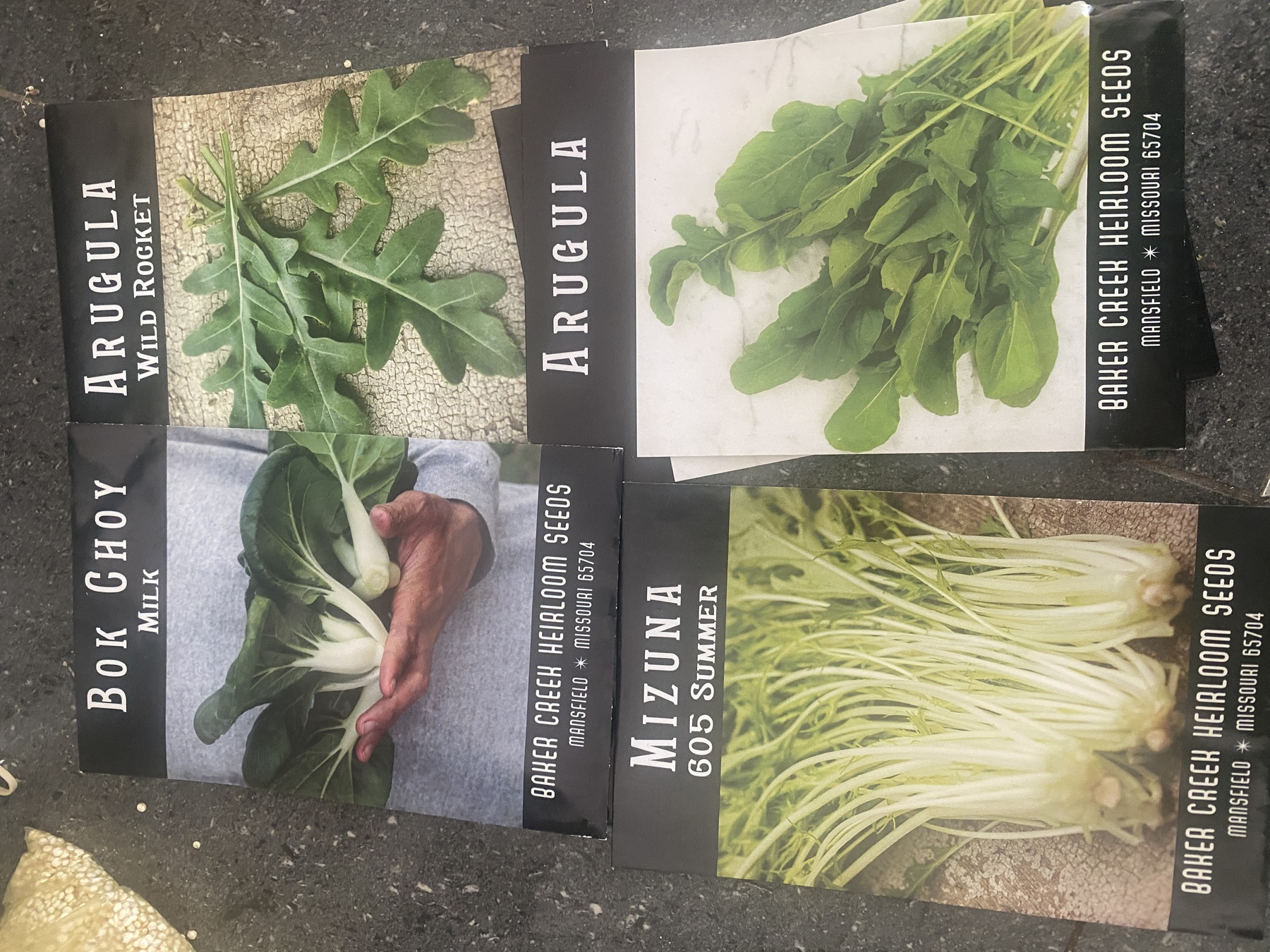
Arugula and rocket are familiar names for a peppery leafy ingredient. Wild rocket and the generic arugula packets in this collection should still be recognized as their actual packet entries when discussing the plants.
For the plate, a modest layer of leaves gives contrast to ripe tomato. A little acid and compatible herb can finish it. Taste before adding more: a large amount of strong dressing can obscure both the fruit and the leaf. The proposed illustration uses parsley; fresh basil would be another culinary direction.
Rinse the produce before preparation, dry the greens, and use clean utensils and a clean board. Whole tomatoes and cut tomatoes have different storage needs; once the fruit is cut, keep it refrigerated until service.
Tomatoes release juice as they sit. Arranging the plate close to serving helps the leaves retain their texture. In a travel setting where raw-food handling is uncertain, a thoroughly cooked vegetable dish is another choice. An attractive dining room cannot establish water quality or refrigeration.
Piedra & Sal's Caprese lists burrata, cherry tomatoes and arugula. It gives tomatoes a place within a more substantial starter with dairy; the menu does not specify its cooking method. Casa Ichu combines green apple with beetroot, Greek yogurt, and mint in a different savory preparation.
These menus are useful for thinking about fruit within a meal. They do not establish Rosella tomatoes or the dairy-free tomato-and-rocket plate pictured here. Choose the actual combination you want and confirm what the restaurant is serving.
Give the larger tomato entries a different cut
Beef Steak, Pink Ponderosa, American Blue, and Roma VF broaden the choices beyond Rosella, Riesentraube, A Grappoli D'Inverno, Japanese Black Truffle, and Tsifomandra. The useful kitchen comparison is the actual fruit's flesh, skin, and amount of juice. Variety names alone should not dictate an identical set of slices.
A broad fruit can be served in modest wedges, while a small tomato can remain halved. A particularly juicy batch may suit a shallow separate bowl rather than sit directly on the rocket. For a cooked accompaniment, the kitchen can soften tomato separately and judge its consistency before spooning it beside the main course.
The unnamed arugula and Wild Rocket packets offer two starting points for the leaf component. Choose the actual leaves for tenderness and the strength of their peppery flavor. A small, assertive leaf portion can be enough beside ripe tomato; adding more dressing is not the only way to balance a forceful batch.
Dry the washed leaves well and dress them near service. Keep tomato juice separate until the plate is assembled, especially when a broad sliced fruit is used. A light acid seasoning lets the guest taste both the leaf and the tomato before deciding whether anything else is needed.
Make the tomato salad a companion to high-altitude Andean trout
Serve the cool tomato-and-rocket portion beside baked high-altitude Andean trout and warm quinoa, keeping it off the hot fish until the guest begins eating. This gives lunch a clear contrast of temperatures. Ask for any dressing separately if the fish already has a sauce.
Restaurant references
These published combinations offer useful comparisons. They do not establish that the restaurants use the photographed seed varieties or can prepare the illustration.
Piedra & Sal · Caprese Salad
Burrata, cherry tomatoes, arugula.
No cooking method stated. Salad is inferred from name. Confirm unsweetened dressing and oil identity/quantity. Full recipe, preparation fat, garnishes and restaurant substitutions are unverified.
Cusco; undated; observed 2026-10-12. A menu reference, separate from the pictured serving concept.
Beetroot cooking method not specified. Confirm beet preparation and dressing; yogurt includes dairy. Full recipe, preparation fat, garnishes and restaurant substitutions are unverified.
Cusco; Undated live menu, checked October 12, 2026. A menu reference, separate from the pictured serving concept.
These additional meals keep the photographed varieties distinct. The kitchen prepares the food; the images suggest combinations to discuss, rather than a tested menu.
Roast cuy beside American Blue tomato
Illustrated complete meal: Roast cuy beside American Blue tomato
Ingredient serving: American Blue
American Blue is a reason to keep the tomato skin visible, not to invent blue flesh. A few deep-purple-skinned pieces on a separate vegetable plate could accompany the roast cuy, with a natural tomato interior exposed by the cut. Leave room around the wedges so their round form remains clear. A restrained herb accompaniment allows the skin color to be noticed without making the whole plate unnaturally dark.
Let cooked white quinoa carry its own part of the meal beside carved roast cuy, with the featured accompaniment kept generous and clearly visible. A few steamed skin-on native-potato halves could complete the warm plate, with the flesh visible at the cut.
A proposed serving, with preparation and supply to be confirmed by the kitchen.
Beef Steak tomato suits broad slices that reveal juicy chambers and substantial flesh. Set them on a separate plate with ordinary arugula rather than treating them like oversized cherry halves. The leaves and tomato can remain fresh while the duck arrives warm. A shallow serving dish is useful if the tomato releases juice, keeping that moisture with the salad instead of soaking the grain on the main plate.
Keep carved roast duck in a modest portion, with cooked red quinoa served where its texture remains easy to enjoy. Keep sauces modest and separate so each guest can choose how much moisture to add without covering the main ingredient.
A proposed serving, with preparation and supply to be confirmed by the kitchen.
Illustrated complete meal: Roast cuy beside Japanese Black Truffle tomato
Ingredient serving: Japanese Black Truffle, Wild Rocket
Japanese Black Truffle is a tomato with a pear-shaped outline, not a mushroom accompaniment. One whole ripe fruit and several wedges could show its narrower shoulders and broader lower half. The dusky skin belongs in a small fresh side beside cuy. Wild Rocket brings deeply cut leaves without hiding the tomato, and a separate plate helps keep the cool vegetable serving distinct from the roasted meat.
For the rest of the meal, cooked canihua could sit in a small separate mound beside carved roast cuy. If wanted, offer a little food-grade sacha inchi oil as a cold finish after cooking, never as a frying oil.
A proposed serving, with preparation and supply to be confirmed by the kitchen.
Pink Ponderosa calls for broad pink tomato wedges rather than a handful of tiny round fruit. Cutting across the flesh can reveal its juicy structure while keeping a curved skin edge. Place those pieces beside a few leaves and herbs on a separate plate. The duck and grain can then stay warm and composed, while the tomato remains a fresh course with its own generous portion and texture.
A complete serving could bring together carved roast duck and cooked white quinoa, leaving the featured vegetable or fruit enough room to remain recognizable. Keep sauces modest and separate so each guest can choose how much moisture to add without covering the main ingredient.
A proposed serving, with preparation and supply to be confirmed by the kitchen.
Illustrated complete meal: Roast cuy with gently baked Roma VF tomatoes
Ingredient serving: Roma VF
Roma VF offers an elongated plum shape that works naturally as a lengthwise cooked half. A gentle bake could soften the red flesh while leaving the outline recognizable beside cuy. Keep a few pieces uncovered rather than turning the entire portion into sauce. The tomato can contribute moisture to the meal, with parsley and softened garlic providing a simple savory direction without a heavy or sweet coating.
Let cooked red quinoa carry its own part of the meal beside carved roast cuy, with the featured accompaniment kept generous and clearly visible. A few steamed skin-on native-potato halves could complete the warm plate, with the flesh visible at the cut.
A proposed serving, with preparation and supply to be confirmed by the kitchen.
For this Tsifomandra serving, use ordinary rounded red tomato forms rather than substituting a tamarillo. Broad wedges and one small whole fruit on a separate saucer can make the intended appearance clear. Beside duck, the tomato works as a fresh vegetable course, with a restrained scattering of herbs. Keep the description tied to the selected fruit instead of building a story around an assumed tomato tree.
Keep carved roast duck in a modest portion, with cooked canihua served where its texture remains easy to enjoy. If wanted, offer a little food-grade sacha inchi oil as a cold finish after cooking, never as a frying oil.
A proposed serving, with preparation and supply to be confirmed by the kitchen.
Food can give the days around Machu Picchu a welcome sense of place. If you would also like time for reflection, explore a Sacred Valley retreat before or after your visit. Florian Rolke offers The SoulSearching Experience, a five-day seminar for 8-15 participants, with no plant medicine.
Ask for the current dates, venue, price and inclusions before arranging the rest of your trip. These dishes, restaurant visits and garden visits are ideas to explore; they are not confirmed seminar inclusions.
Questions about this dish
Adapted from public cooking questions and published FAQs. Answer sources are linked below each response. Broader ingredient questions are included where they help with this serving.
What flavor should I expect from raw arugula?
Arugula has a peppery, sometimes pungent flavor rather than the mild taste of many lettuces. On a tomato plate, its bite contrasts with ripe fruit. Try a small amount first, then adjust the balance of greens, tomatoes and dressing to suit your taste.
Are rocket and arugula two names for the same green?
Rocket is a common regional name for arugula. Seed catalogs also distinguish wild rocket from cultivated arugula, so keep the named packet when identifying the plant. For this serving, both offer a peppery leafy note, with the amount adjusted to the batch.
How do I balance a bitter tomato and arugula salad?
Start with ripe tomatoes, dry arugula and a light dressing, then taste before adding more lemon, vinegar or salt. Arugula naturally has a peppery bite. A generous coating of strong dressing can overwhelm the fruit rather than make the greens more pleasant.
How should I keep the arugula fresh before making the plate?
Keep arugula refrigerated at 40°F or below until you need it. For loose greens, rinse before preparing the plate and dry gently with a clean towel or salad spinner. If the package says ready-to-eat or pre-washed, another wash is unnecessary.
Rinse whole tomatoes under running water, gently rub their surfaces and dry them with a clean towel before cutting. Soap and produce wash are unnecessary. Use clean hands, a clean knife and a board kept separate from utensils used for raw meat.
Should whole tomatoes wait on the counter or in the refrigerator?
Whole, uncut tomatoes can stay at room temperature away from direct sunlight for short-term eating quality; use ripe fruit promptly. Once you cut a tomato, refrigerate it. Advice about preserving the flavor of whole tomatoes does not apply to leaving cut pieces on the counter.
Put the unused portion in a clean covered container and refrigerate it promptly at 40°F or below. Use it soon for the best texture. Keeping a cut tomato on the counter to protect its flavor is not a good substitute for refrigeration.
How can I limit the watery pool beneath the tomato plate?
Ripe tomatoes and cucumbers naturally release juice, especially after dressing. Keep the components separate until close to serving and leave excess collected liquid behind when arranging the plate. You can also use less dressing rather than trying to make juicy tomatoes completely dry.
Heirloom generally refers to an older, open-pollinated variety passed down through generations; definitions often use a history of about 50 years. It does not mean every tomato sold by a company called Heirloom Seeds meets that definition. Rosella, for example, is described as a modern breeding.
How do I stop tomato pieces sinking below the arugula?
For a composed plate, portion the arugula first and arrange the tomatoes on top. This keeps the different shapes visible and makes serving easier. A tossed bowl will naturally let heavier pieces settle, so it may need a gentle mix just before portioning.
What is a practical way to cut tomatoes without crushing them?
Use a serrated knife or a very sharp plain knife on a stable cutting board. Halve small cherries and cut larger fruit into wedges or manageable pieces. A sharp blade gets through the skin without requiring pressure that crushes the soft interior.
Must I remove tomato skins and seeds for this plate?
You can leave the skins and seeds in a raw tomato plate. They are part of the fruit's texture and appearance, and removing them is a preference rather than a requirement. If there is more juice than you want, leave excess liquid behind when plating.
Should I wash packaged greens labeled ready-to-eat?
Follow the package label. Greens marked pre-washed or ready-to-eat can be used without another rinse. Keep them refrigerated and use clean hands and utensils when assembling the plate; washing them again is unnecessary and can introduce contamination from an unclean sink or board.
The linked discussion suggests potatoes, grilled mushrooms and cooked vegetables among the options. For the illustrated meals here, cooked quinoa or native potatoes can provide a savory accompaniment. Ask about the actual seasoning and any added oil or dairy. These are serving choices, rather than a fixed restaurant menu.
Do I need vinegar or baking soda in the produce wash?
Cool running water is the straightforward choice. Vinegar and baking soda can affect flavor, and soaking produce is not recommended. Rinse tomatoes gently and scrub firm melon or cucumber skins with a clean produce brush before cutting or peeling them.
Choose ripe, flavorful fruit that will hold its shape when cut. A mix can include Rosella's tiny dusky cherries, small red Riesentraube, Roma-like A Grappoli D'Inverno and pear-shaped Japanese Black Truffle. They need not all be large slicing tomatoes to make an attractive plate.
Rosella works well for fresh eating, salads and garnishes. Its tiny dusky rose-to-purple cherries can be halved to show their interiors. Baker Creek describes a balance of sweetness and acidity, so a light dressing lets the fruit remain the main flavor.
Baker Creek describes Riesentraube as sweet with a slight tang and a full tomato flavor. Its small red fruit suits fresh eating and salads. On a mixed plate, halved Riesentraube can provide a clear color and size contrast with dusky Rosella.
A contributor in the linked discussion describes a watermelon-and-tomato combination, while expressing a preference against tomato in a standard mixed-fruit salad. Try a small portion of the particular ripe fruit and tomatoes together before dressing the whole bowl. The combination is a tasting suggestion; it does not need added sugar or cheese.
Can I prepare the tomato plate before guests arrive?
You can prepare clean components ahead, but refrigerate cut tomatoes and keep the greens separate. Add the arugula and final dressing close to serving so the leaves retain their texture. A tomato-only marinade and a fully assembled leafy plate do not hold in the same way.
Select named tomato varieties, their cuts and ripe-fruit textures, and assemble a rocket plate beside alpaca, duck, cuy or trout. MP094 owns cultivation, geographic sourcing, organic claims and general travel raw-produce hygiene.