Keep the dark skin and pale flesh visible. Softened tomato and fresh herbs accompany the zucchini without covering it.
An illustrated serving concept in an Andean hotel setting.
Baked high-altitude Andean trout with zucchini, quinoa and tarwi
Set a fully cooked baked high-altitude Andean trout fillet beside the steamed zucchini, softened tomato, quinoa and food-ready debittered tarwi. Keep the vegetables generous and the herb finish light. This is a proposed serving, not a confirmed restaurant or retreat meal.
Explore High-altitude Andean trout in the ingredient guide. Confirm the actual preparation and availability with the kitchen.
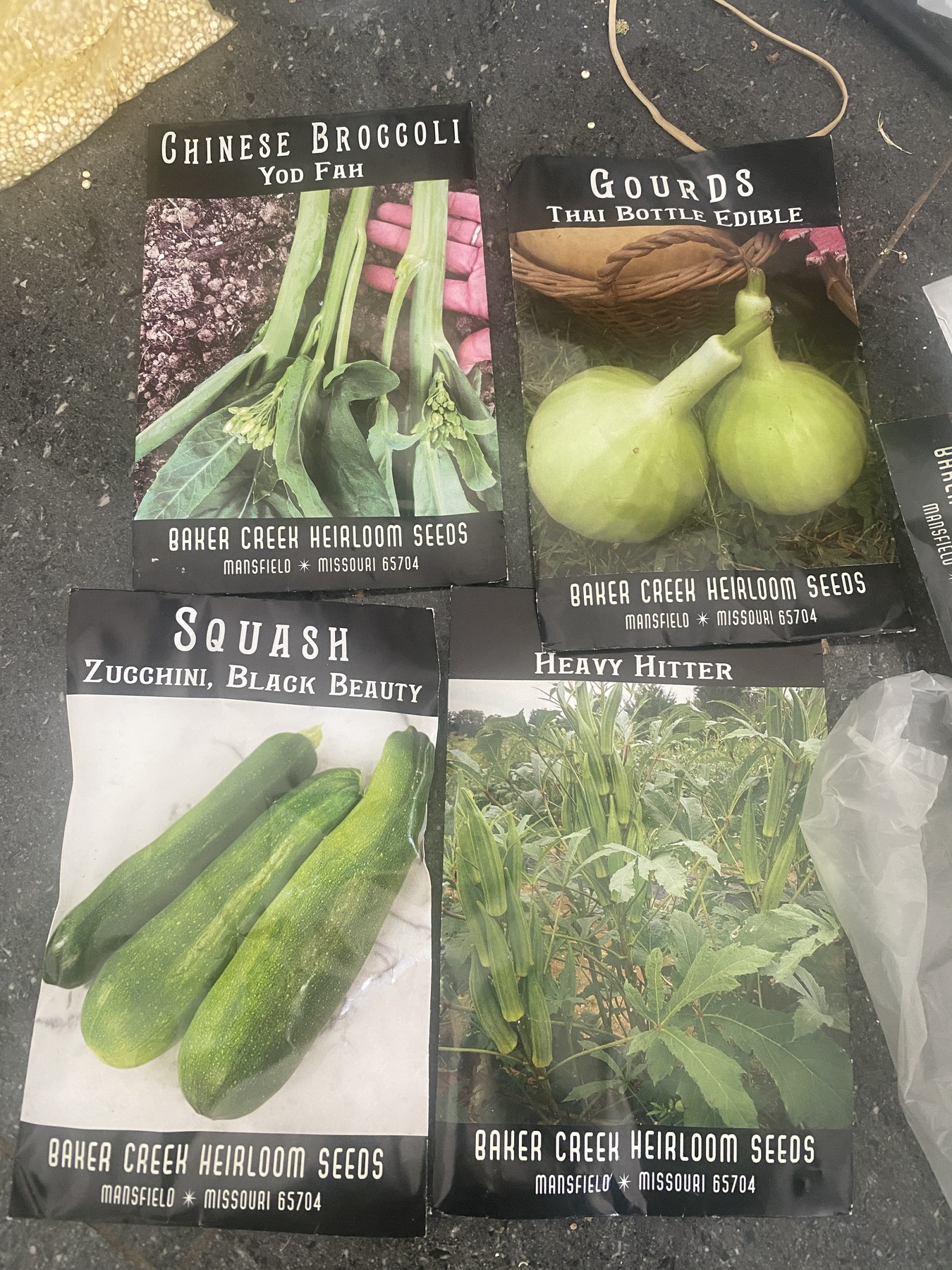
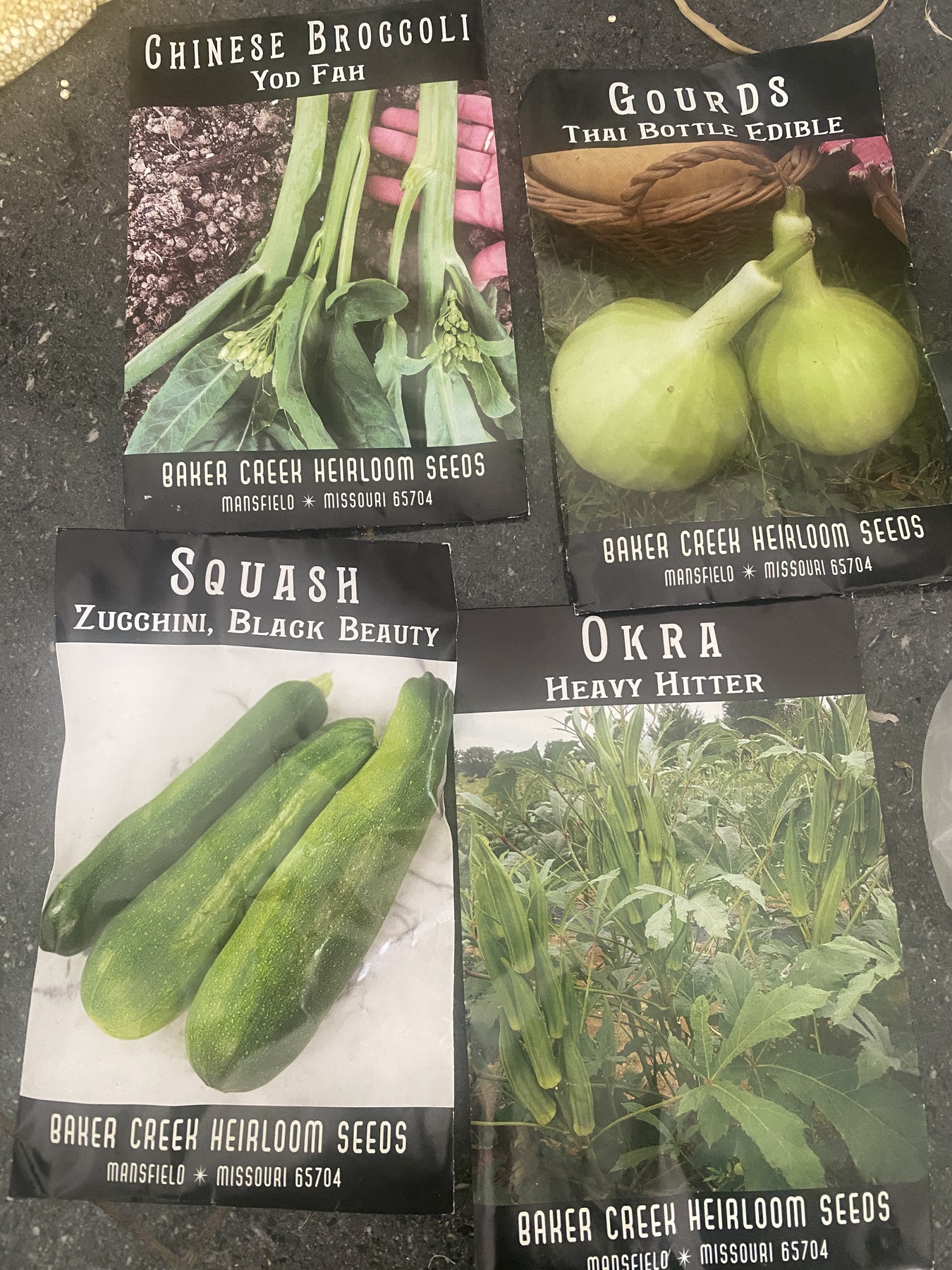
Wash and trim young zucchini, cut it evenly, and steam until tender while the pieces still hold their shape. Add separately softened tomato and herb seasoning near serving. Black Beauty is the dark-green summer squash identified in the packet collection.
The featured ingredient, served on its own.
Illustrated serving concepts and an imagined Sacred Valley garden. These are not photographs of a named restaurant, a current harvest, or a tested recipe.
Start with fruit suited to the plate
The packet names Zucchini, Black Beauty. Its dark-green skin and pale interior suit simple half-rounds or short batons. A younger fruit usually gives a tender preparation with less developed central seed tissue than a very large squash.
Choose sound fruit, then wash and trim it. Tender skin and small developing seeds can remain. A larger zucchini may need its coarse center removed or may suit another dish. The goal is a cut that can cook evenly and feel pleasant to eat.
Even thickness helps the pieces finish together. Check them as they soften and remove them when the texture suits the serving. Zucchini contains considerable moisture, so prolonged cooking can leave pieces collapsing into the liquid.
A steamer offers one way to cook the squash without frying. It does not determine the ingredients in a finished restaurant sauce. If the kitchen adds a glaze, butter, or oil afterward, that is part of the order and worth asking about when it matters to you.
Softened tomato gives the mild squash another texture and a sharper flavor direction. Preparing it separately lets you choose how much liquid reaches the finished plate. A small amount may be enough; a large tomato sauce would create another dish.
Parsley, basil, or oregano can each take the plate in a different direction. The illustration chooses a modest herb finish rather than trying to show every option. Lemon can arrive alongside so its amount is decided at the table.
A second serving, with a different plate and setting.
A side dish can still deserve attention
Serve the zucchini as the warm vegetable component beside cooked high-altitude Andean trout, a legume dish, or another main. If you want it to be more substantial, ask about a separate serving of quinoa or food-ready tarwi.
Keep portions in view. A few tender pieces may suit someone ordering several courses, while a vegetable-centered lunch needs a different arrangement. An elegant plate does not have to be a tiny portion, and a larger serving does not need a fried coating to make it feel complete.
Use menu examples without assigning an unstated ingredient
UCHU publishes vegetable skewers. Pietra offers quinoa with grilled zucchini, pepper and eggplant, Parmesan and olive oil. UCHU does not name its skewer vegetables. Pietra explicitly identifies zucchini, but neither listing establishes the Black Beauty cultivar.
The steamed zucchini-and-tomato composition here is independent of those menus. Use it to explain your preference to a cook: a tender warm squash, no frying, tomato kept modest, and the dressing clarified. Confirm what is available before expecting an exact match.
An unusually bitter squash should be rejected
Unusually intense bitterness is a reason to stop eating zucchini and discard it, including a dish made bitter by it. Extra cooking or stronger seasoning is not a remedy. This is a specific exception to the ordinary advice to adjust a vegetable dish to taste.
For normal cooked leftovers, use prompt cooling and refrigeration, then the relevant cooked-food storage guidance. A delicate steamed serving is best planned around the meal so its texture can be enjoyed fresh, with leftovers kept for a suitable later use.
Black Beauty can be served as short batons or half-rounds, but the choice affects the experience at the table. Batons give a guest a longer piece to cut alongside fish; modest half-rounds are easier to combine with quinoa in one forkful. Neither requires turning the squash into ribbons or using it as a substitute for another course.
For a larger fruit with a developed center, the kitchen can remove the coarse seed-bearing portion and use the firmer flesh for an appropriate cooked dish. It should not be cut into very thin pieces merely to disguise a poor texture. The guest can ask for tender pieces that remain distinct, with the tomato accompaniment added after the zucchini is ready.
Roast duck and plain quinoa offer a more substantial setting for the steamed zucchini. Keep the tomato in a small separate portion, where its acidity can contrast with the meat. The zucchini then has a clear job: a mild, tender vegetable between richer mouthfuls.
If the duck has a sweet glaze, ask whether the kitchen can offer a savory preparation instead. Soft herbs can finish the zucchini near service, with lemon brought separately. Avoid holding the finished pieces in a deep bowl of hot liquid; a flatter serving keeps them easier to portion and lets the guest choose how much tomato reaches each piece.
Restaurant references
These published combinations offer useful comparisons. They do not establish that the restaurants use the photographed seed varieties or can prepare the illustration.
Grilled skewers explicitly. Confirm vegetables, no pre-frying, unsweetened marinade and oil identity/quantity; ask how sides apply. Full recipe, preparation fat, garnishes and restaurant substitutions are unverified.
Cusco; undated; observed 2026-10-12. A menu reference, separate from the pictured serving concept.
Quinoa with grilled zucchini, pepper and eggplant, parmesan, olive oil.
Vegetables explicitly grilled; quinoa risotto style. Confirm no pre-frying, sugar, oil quantity. Menu calls it vegan but lists parmesan: flag inconsistency. Full recipe, preparation fat, garnishes and restaurant substitutions are unverified.
Cusco; undated; observed 2026-10-12. A menu reference, separate from the pictured serving concept.
Food can give the days around Machu Picchu a welcome sense of place. If you would also like time for reflection, explore a Sacred Valley retreat before or after your visit. Florian Rolke offers The SoulSearching Experience, a five-day seminar for 8-15 participants, with no plant medicine.
Ask for the current dates, venue, price and inclusions before arranging the rest of your trip. These dishes, restaurant visits and garden visits are ideas to explore; they are not confirmed seminar inclusions.
Questions about this dish
Adapted from public cooking questions and published FAQs. Answer sources are linked below each response. Broader ingredient questions are included where they help with this serving.
How can zucchini stay tender without becoming waterlogged?
Cut zucchini into even pieces and cook only until it reaches the tenderness you like. Avoid a deep, crowded pile that traps excess liquid. For a gently cooked side, a soft bite is welcome; the goal is to stop before the pieces collapse, rather than forcing a dark crust onto them.
Presalting is optional, not a rule for every zucchini dish. It can draw moisture from sliced zucchini when a drier texture is wanted, provided you drain and pat it afterward. A gently steamed or softly cooked preparation can keep that moisture instead. Account for any early salt when seasoning.
Young zucchini can be cooked with its soft developing seeds and central tissue intact. Very large fruit may have a coarse or spongy core that is less pleasant in a delicate side. Cut it open and assess the texture; remove that core if needed rather than automatically hollowing every zucchini.
Does courgette mean the same ingredient as zucchini?
Yes. Courgette and zucchini are regional names for the same summer-squash ingredient. Zucchini is the usual American-English term. The name does not specify a particular variety, so a recipe calling for courgette can still use a suitable tender Black Beauty zucchini with adjustments for size and maturity.
Tender zucchini does not usually need peeling. Wash it under running water, trim the ends, and leave the skin on for the sliced preparation. The dark skin provides contrast with the pale flesh. If the rind has become unusually tough, inspect the whole fruit and choose a preparation suited to its maturity.
Take zucchini off the heat when the center is tender enough for your preference and the pieces still hold their shape. Thin slices finish faster than thick chunks. Start checking early and taste a small cooked piece. A rigid timer cannot account for every cut, pan, or zucchini.
There is no single healthiest method for every person and meal. Steaming or gently cooking zucchini with a modest amount of added fat can keep the preparation simple. The full dish matters, including sauces, toppings, and portion size. Choose a method that gives you vegetables you enjoy eating.
Even rounds, half-moons, or small quartered pieces all suit a gentle stovetop preparation. Keep their thickness similar so they soften together. Larger zucchini can be split before slicing to make manageable pieces. Very thin ribbons and thick batons need different cooking times, so avoid mixing them indiscriminately.
What should I do about bitter-tasting cooked zucchini?
Stop eating an unusually or extremely bitter zucchini and discard it, along with a dish made bitter by it. Do not try to make it safe by extra cooking, peeling, or seasoning. Scorched garlic or oil can also taste bitter, but that is not a reason to dismiss bitterness from the fruit itself.
It can be frozen, but thawed zucchini will be softer and wetter than a freshly cooked side. If intact, tender pieces are the goal, make only what you need. Excess zucchini can be blanched and frozen using a tested method, then reserved for soups or other soft cooked preparations.
Parsley, basil, oregano, and thyme can complement zucchini’s mild flavor. Choose one or two rather than burying the vegetable under every herb available. Add delicate fresh herbs near the end so their aroma remains clear. A little lemon can accompany the dish without requiring a heavy dressing.
A small amount of Parmesan is a familiar optional finish. She Loves Biscotti also suggests Pecorino Romano or Asiago, each with a different flavor and saltiness. Add sparingly and taste before adding more salt. For a dairy-free serving, leave the cheese out and finish with herbs instead.
Yes. Onions, peppers, mushrooms, or other suitable vegetables can accompany zucchini, but they may soften at different speeds. Give firmer additions a head start or cook them separately, then combine them. This keeps the zucchini from overcooking while you wait for another ingredient to become tender.
How long should a soft stovetop zucchini dish cook?
Jersey Girl Cooks' FAQ suggests about ten minutes of cooking, with additional time for a softer result. Your timing will depend on the cut, heat, and amount in the pan. Treat that as a starting point, then check tenderness. It is not a measured cooking time specific to Black Beauty.
Tender yellow squash or pattypan squash can work in place of zucchini. Cut it into pieces appropriate to its shape and check for similar maturity. Expect some differences in texture and flavor. A hard winter squash is a different ingredient and should not be given the same brief cooking treatment.
You can prepare it ahead, but freshly cooked zucchini generally holds its texture better. Cool it promptly, refrigerate in a shallow covered container, and reheat only the portion you need. Expect softer pieces after holding. When reheating leftovers, follow USDA’s guidance to bring them to 165°F.
Frozen zucchini can be used in a cooked preparation, but it will release more moisture and have a softer texture than fresh. It is often a better fit for soup or a soft vegetable dish. For neat, intact pieces with a tender bite, choose fresh zucchini when available.
Yes, tender, sound zucchini can be eaten raw as well as cooked. Wash it under running water before cutting, and use thin slices or small pieces if you prefer a gentler texture. Discard unusually bitter fruit. The serving described here uses cooked zucchini, so the finished texture will be softer.
What can use up surplus zucchini besides this side?
Surplus zucchini can go into soups, gently cooked vegetable mixtures, or stuffed squash with a suitable savory filling. You can also blanch and freeze portions for later cooked meals. Choose the use according to its maturity: a large, seedy zucchini may be less suited to a delicate sliced side.
How long may cooked zucchini leftovers be refrigerated?
Refrigerate cooked zucchini within two hours, or one hour if the temperature is above 90°F. Use shallow containers so it cools promptly. USDA advises using refrigerated leftovers within three to four days. Reheat the portion you need to 165°F, and expect a softer texture than when it was freshly cooked.
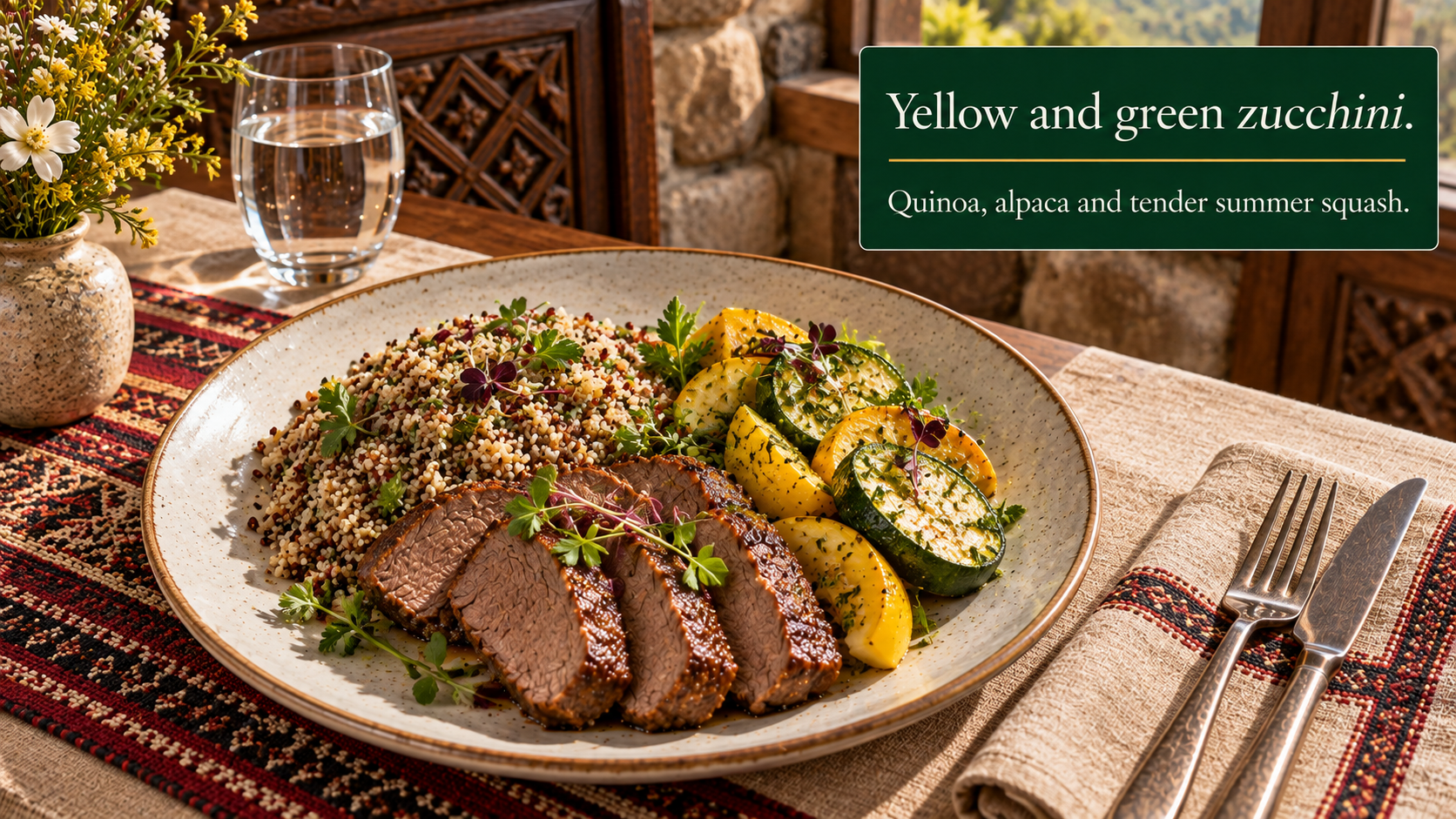
Buy young labeled yellow and green zucchini, cut them to similar thickness, and cook each until tender. Compare them with the same light seasoning beside quinoa and safely prepared alpaca.
Yellow and green zucchini make a useful paired vegetable serving when their maturity and cut are comparable. Their skin colors make the plate attractive; their actual tenderness and moisture determine whether the comparison is enjoyable.
Yellow and green zucchini. Quinoa, alpaca and tender summer squash.
Choose zucchini in two colors
Oregon State Extension lists green and yellow zucchini among summer squash types, alongside crookneck and pattypan forms. A yellow straightneck squash can be a useful substitute, but label it as that product rather than implying every yellow squash is zucchini. Keep a cultivar name only when it is present on the supplier label.
Choose young, tender fruit without soft decay or severe damage. An oversized green zucchini compared with a small yellow one introduces a maturity difference that can dominate the tasting. Similar size and freshness offer a clearer starting point. The vegetable does not need to be grown on a particular property to make a worthwhile meal.
Wash the fruit and trim the ends. Leave tender skins on. Cut equal-thickness half-moons or long pieces, keeping the two colors separate if you want to compare them. If the center has large tough seeds, choose a younger fruit for a cleaner first tasting rather than letting the coarse seed cavity dominate.
Roast in a parchment-lined dish, using a small splash of water and a covered start if needed, then uncover to dry the surface. Avoid a densely packed tray that holds the pieces in a pool of liquid. Check each color and remove it when tender. The aim is a comfortable bite, not a requirement for dark fried edges.
Taste one cooked piece of each with the same small amount of salt or culinary herb. Do not assign a permanent sweetness ranking based on two differently cooked pieces. If one batch releases more water, drain it before adding it to the plate so the quinoa does not become soggy.
Cook quinoa separately according to the package and fluff it before serving. Place a modest mound beside the zucchini and a safely cooked portion of food-grade alpaca. Keep raw meat utensils away from the vegetables and cooked grain. Arrange both colors where the diner can compare them directly, then combine a bite with the meat to see which texture they prefer.
Use the result for the next shopping choice
Write down the actual product name if one zucchini particularly suits your cooking. If the only difference you can confidently describe is color, that is a perfectly useful outcome. The meal does not require an invented flavor contrast. A mix can be chosen simply because both batches were tender and enjoyable.
Refrigerate cooked leftovers promptly in shallow containers within two hours, or one hour above 90°F. Use them within three to four days or freeze appropriate portions; reheat hot leftovers to 165°F. Reheated zucchini softens, so serve it as a tender accompaniment rather than expecting the first tray's structure. Keep fresh greens or herbs separate until the second serving.