Green honeydew and other ripe melon pieces meet cucumber and mint in a cool savory salad. Baked high-altitude Andean trout and quinoa provide the main course, with lime served separately.
An illustrated serving concept in an Andean hotel setting.
Baked high-altitude Andean trout with melon, cucumber and mint
Keep a small melon-and-cucumber serving beside baked high-altitude Andean trout rather than turning the fruit into dessert. Add mint and lime near serving, with the cool side kept distinct from the warm fish.
Explore High-altitude Andean trout in the ingredient guide. Confirm the actual preparation and availability with the kitchen.
Pair ripe melon with cucumber and a modest amount of fresh mint. Add lime near serving, without extra sweetener. Choose the flesh and texture you prefer: orange Charentais, white Hara Madhu or green-fleshed Golden Honeymoon. Refrigerate cut fruit promptly.
The featured ingredient, served on its own.
Illustrated serving concepts and an imagined Sacred Valley garden. These are not photographs of a named restaurant, a current harvest, or a tested recipe.
Choose the flesh you want to serve
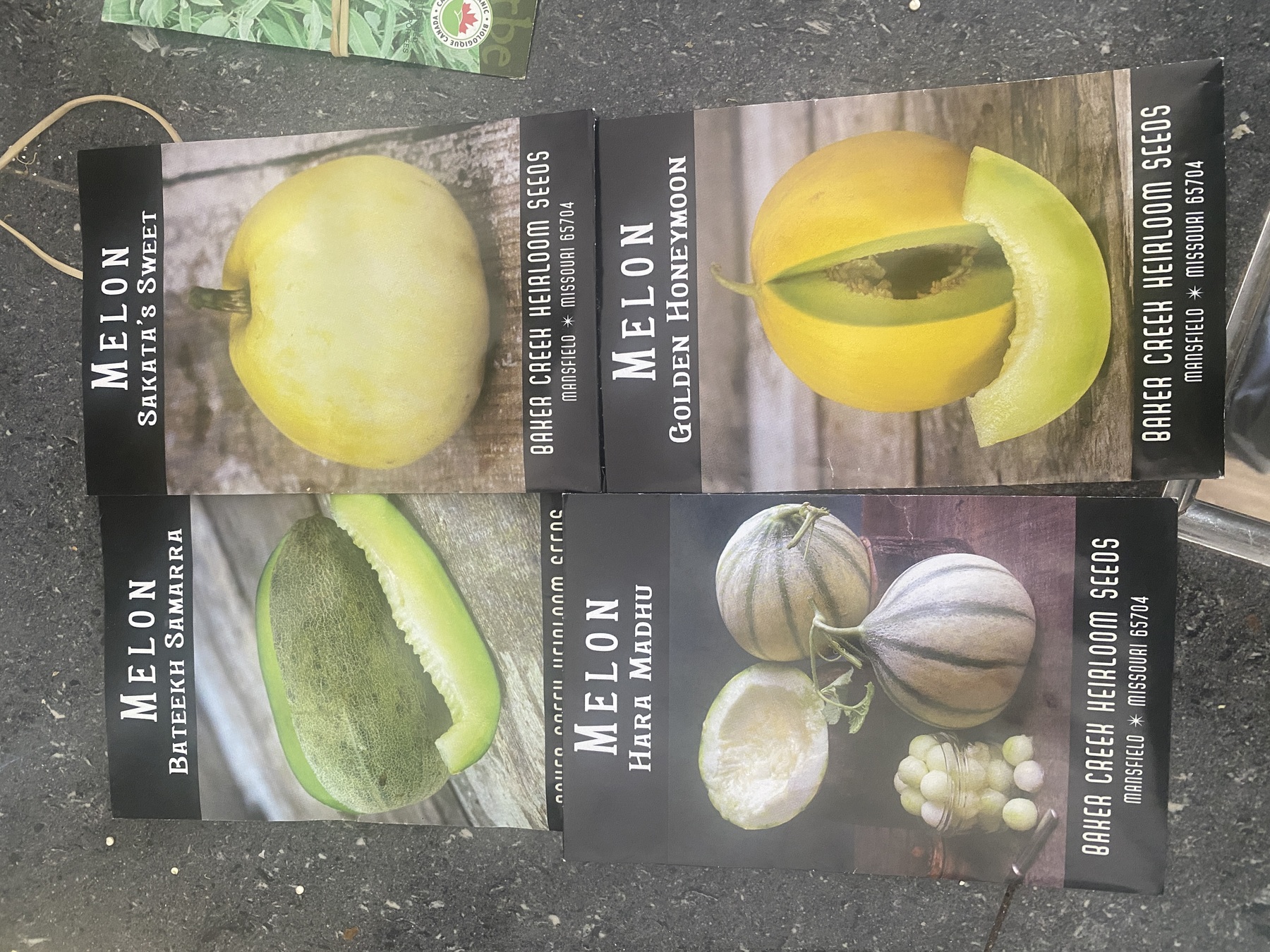
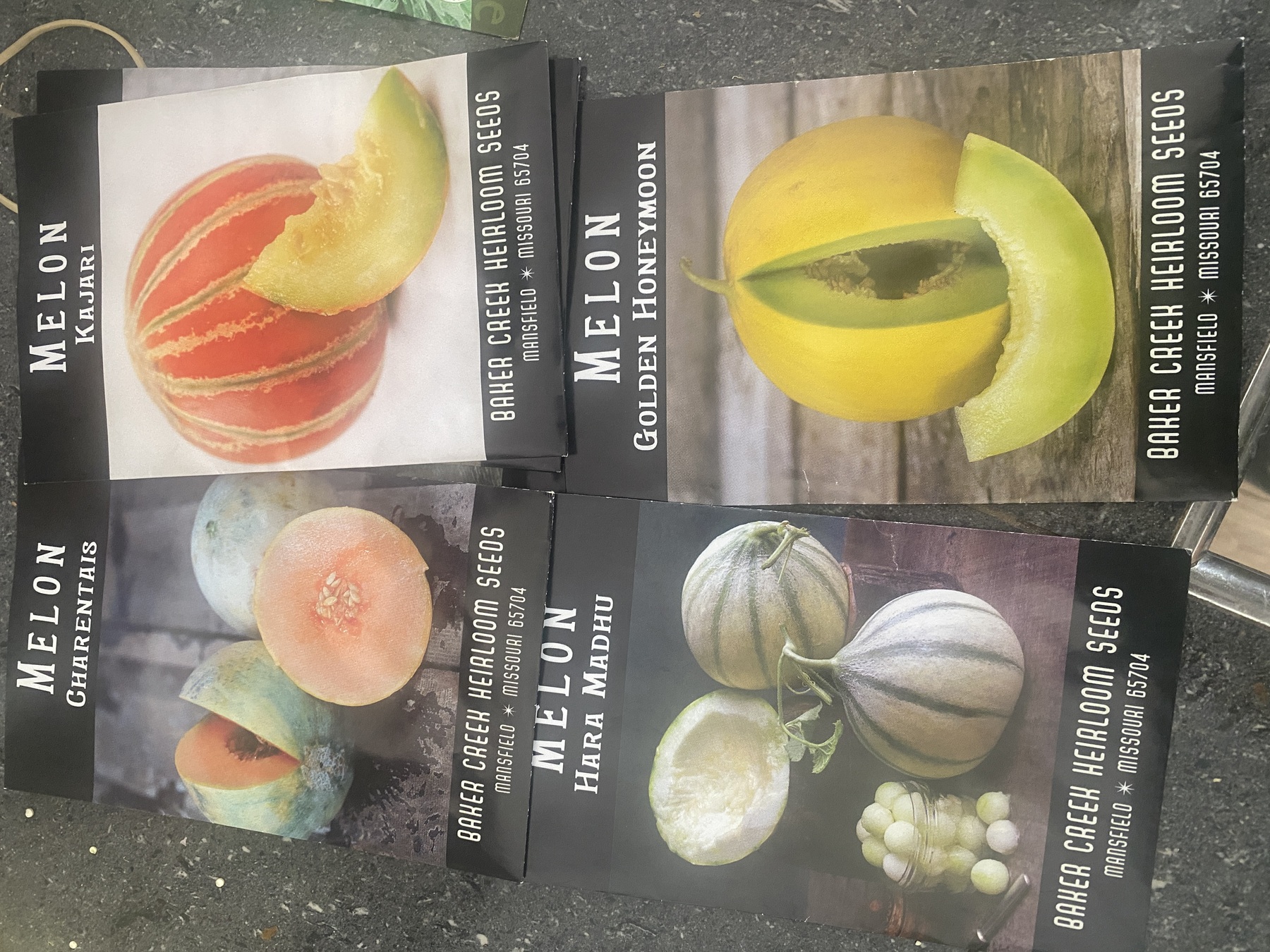
Charentais gives the plate orange flesh within a gray-green rind. Golden Honeymoon is a honeydew type with a golden rind and green flesh. Kajari has pale-green flesh beneath a copper-red exterior with green-and-cream striping.
For Hara Madhu, the supplier's main description says white flesh, although some generic text on the page conflicts with it. The packet photograph and principal description are the more useful references here. The serving illustration therefore uses pale ivory flesh beside orange Charentais.
The golden rind surrounds green flesh. Keep the melon and cucumber on a separate small plate beside baked high-altitude Andean trout, with mint and lime added close to serving. This version needs no added sweetener.
Illustrated baked high-altitude Andean trout meal with a separate Golden Honeymoon honeydew serving.Golden rind and green flesh, with cucumber, mint and lime. Serving illustration.
Keep watermelon as a separate choice
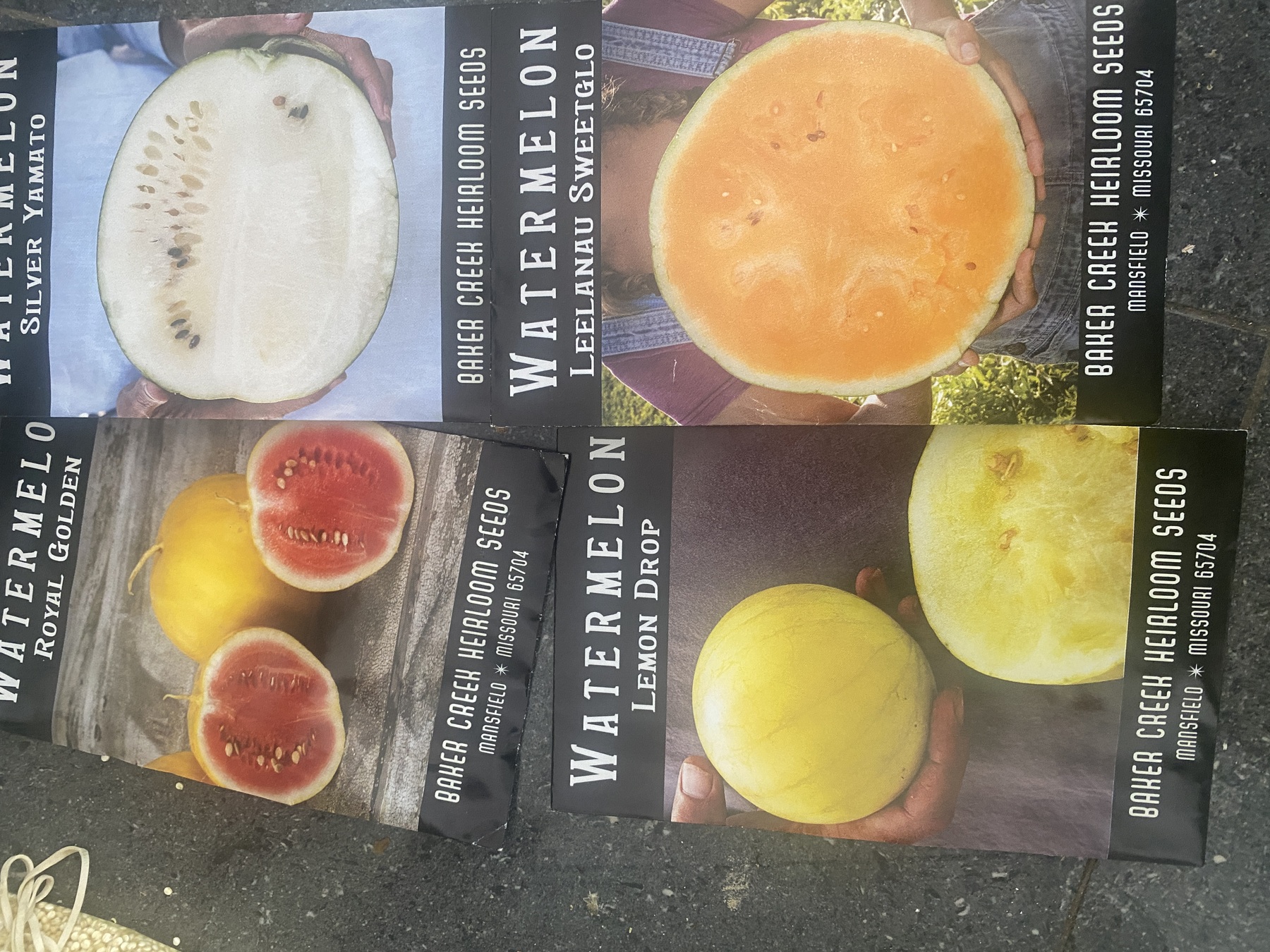
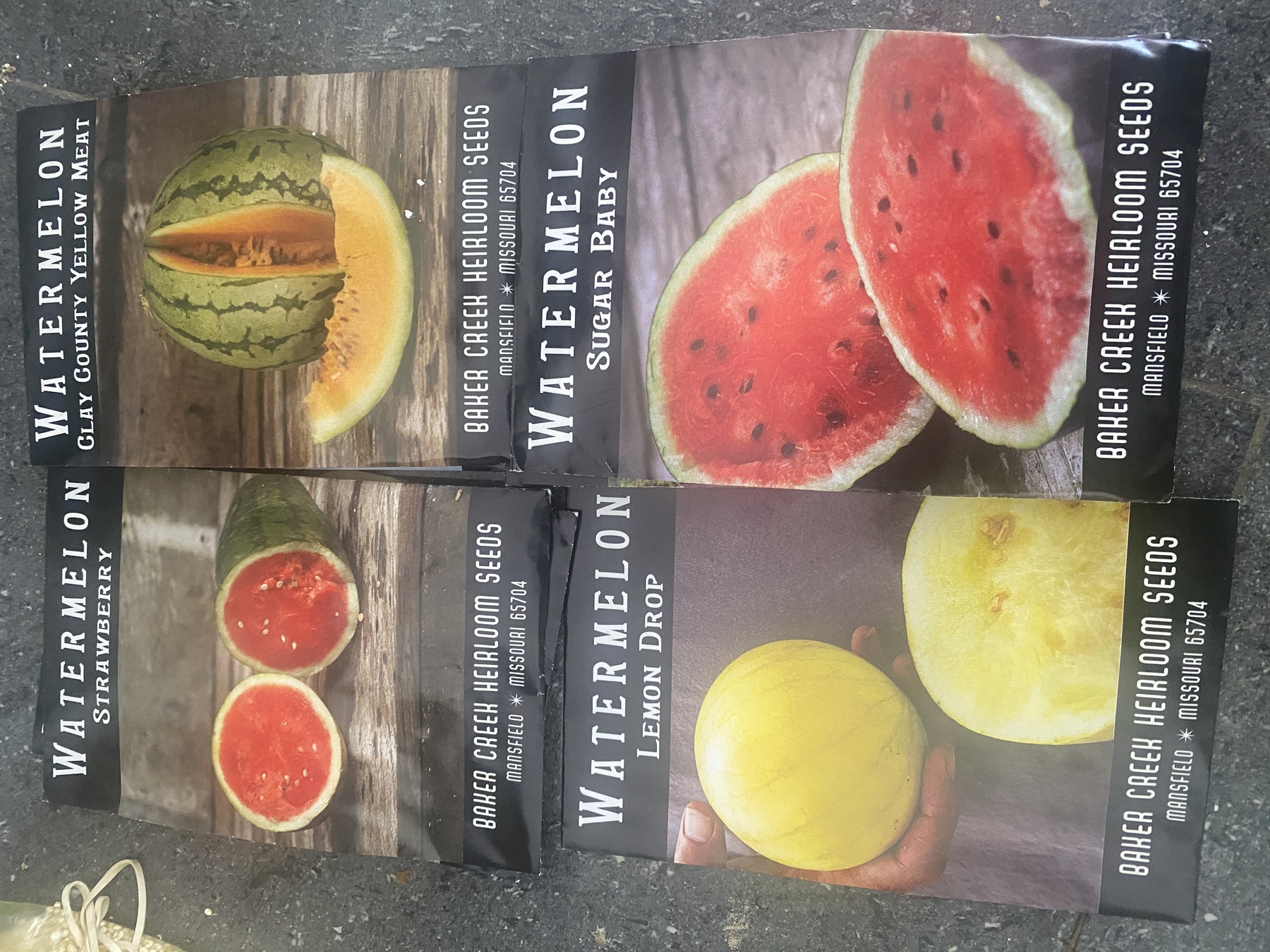
Silver Yamato, Leelanau Sweetglo, Royal Golden, Lemon Drop, Clay County Yellow Meat, Sugar Baby, and Strawberry appear on photographed watermelon packets. Their variety names do not all describe the flesh in an obvious way.
Silver Yamato is a watermelon with very pale flesh. It should not be presented as an underripe orange-fleshed melon. A watermelon-and-cucumber plate could be developed separately, using accurate cultivar references, rather than quietly changing the crop in this serving idea.
Begin with fruit that tastes good on its own and remains suitable for cutting. Aroma and rind cues vary by variety, so a single ripeness rule does not cover every packet in the collection.
Remove rind and seeds as appropriate for the serving, then cut manageable pieces. A few wedges can show the difference between orange and pale flesh. Small cubes offer another arrangement, especially if a guest would rather eat the starter with a spoon. Lime will not give underripe fruit the texture of ripe melon.
A second serving, with a different plate and setting.
Cucumber and mint give the plate a savory direction
Cucumber supplies a different texture beside the fruit. Choose tender skin or peel a tougher cucumber after washing it. If a very watery seed center would dilute the plate, it can be removed before the pieces are arranged.
Add fresh mint near serving and keep the lime modest. The proposed combination has no added sugar, syrup, cream, or ice cream. That describes this serving concept; it does not certify every restaurant dish containing melon. Fruit still contains its naturally occurring sugars.
Wash the whole melon before the knife passes through its skin. A clean produce brush can be used on firm surfaces, with running water and clean utensils. This helps avoid carrying dirt or contamination from the rind into the flesh.
Refrigerate cut fruit promptly in a clean covered container and keep it cold until the meal. Components prepared separately can be assembled near serving, with herbs and dressing added last. A fully dressed salad left to sit will release more liquid and lose its original texture.
Piedra & Sal's Tropical Fruits juice names mango, passion fruit, and aguaymanto. Casa Ichu places green apple inside a savory beetroot starter with yogurt and mint. Those exact combinations show fruit being used in different ways.
Neither menu verifies this melon plate, a local melon grower, or a retreat inclusion. The concept is a way to explore the seed collection at the table. It can be a fresh starter before a cooked main, or a small side when the kitchen can prepare and hold raw fruit appropriately.
Golden Honeymoon is a green-fleshed honeydew
Golden Honeymoon deserves a place by name in this serving. Baker Creek identifies it as a honeydew with golden rind and green flesh. The gold belongs to the exterior; an illustration of orange flesh would lose the distinction. For the table, a few clean green wedges can sit beside orange Charentais rather than disappear into a mixed bowl.
The cook can judge the honeydew's actual ripeness and cut pieces that stay comfortable to eat with a fork. Keep cucumber in a different shape so it is easy to recognize. Mint and a little lime can connect the two without adding a sweet dressing. The green interior is a variety trait, not an invitation to serve underripe fruit.
Heart of Gold, Bateekh Samarra, and Sakata's Sweet
Heart of Gold brings another orange-fleshed choice: OSC describes aromatic deep-orange flesh and a relatively small seed cavity. Bateekh Samarra and Sakata's Sweet complete the seven melon entries alongside Charentais, Golden Honeymoon, Hara Madhu, and Kajari. Baker Creek describes Sakata's Sweet as a small, round mini-honeydew type with a crisp texture.
Choose one or two sound ripe melons for a meal rather than insist on serving all seven at once. Differences in firmness can make an otherwise attractive mixed salad awkward. Cut each fruit for the texture it actually has, and keep the pieces separate until the kitchen is ready to assemble the side.
Baked high-altitude Andean trout and plainly prepared quinoa make the meal complete without turning the melon into dessert. Serve the salad in a shallow separate bowl, with mint added near service. A small lime wedge gives the guest control of acidity and keeps the fruit's released juice away from the fish.
Restaurant references
These published combinations offer useful comparisons. They do not establish that the restaurants use the photographed seed varieties or can prepare the illustration.
Piedra & Sal · Tropical Fruits
Mango, passion fruit, goldenberry.
Juice; method unspecified. Confirm no sweetener, treatment, water and availability. Full recipe, preparation fat, garnishes and restaurant substitutions are unverified.
Cusco; Undated live menu, checked October 12, 2026. A menu reference, separate from the pictured serving concept.
Beetroot cooking method not specified. Confirm beet preparation and dressing; yogurt includes dairy. Full recipe, preparation fat, garnishes and restaurant substitutions are unverified.
Cusco; Undated live menu, checked October 12, 2026. A menu reference, separate from the pictured serving concept.
These additional meals keep the photographed varieties distinct. The kitchen prepares the food; the images suggest combinations to discuss, rather than a tested menu.
Roast duck beside Heart of Gold melon and cucumber
Illustrated complete meal: Roast duck beside Heart of Gold melon and cucumber
Ingredient serving: Heart of Gold, Marketmore 76
Heart of Gold brings a deep-orange melon side to a warm duck meal. Keep the cool fruit on its own small plate with cucumber and mint, letting a rind-on wedge show the netted exterior. Smaller pieces make the contrast easier to enjoy between bites of the main course. The aim is fresh, juicy fruit with a savory setting, without turning the duck into a melon-sauce experiment.
Keep carved roast duck in a modest portion, with cooked white quinoa served where its texture remains easy to enjoy. Keep sauces modest and separate so each guest can choose how much moisture to add without covering the main ingredient.
The lime-green flesh of Bateekh Samarra can look quiet beside a darker ceramic plate, particularly when one wedge retains its brownish-green netted rind. Cucumber adds a firmer bite without disguising the melon. Offer that cool side separately from roast cuy. Keeping the two courses apart protects the difference between warm roasted meat and fresh fruit instead of allowing melon juice to spread across the main plate.
For the rest of the meal, cooked canihua could sit in a small separate mound beside carved roast cuy. Keep sauces modest and separate so each guest can choose how much moisture to add without covering the main ingredient.
Illustrated complete meal: Roast duck with a separate Kajari melon salad
Ingredient serving: Kajari, Marketmore 76
Kajari deserves a rind-on view before the fruit is reduced to cubes. Its copper-red exterior with green and cream stripes is quite different from the pale-green flesh inside. A small wedge on a side saucer could explain that contrast, while prepared pieces join cucumber and mint beside the duck meal. The salad can stay simple because the cultivar already provides the visual interest.
A complete serving could bring together carved roast duck and cooked black quinoa, leaving the featured vegetable or fruit enough room to remain recognizable. If wanted, offer a little food-grade sacha inchi oil as a cold finish after cooking, never as a frying oil.
Sakata's Sweet is a miniature melon, so its small round form matters as much as the pale flesh. A whole fruit on a separate saucer can establish scale beside modest ivory pieces and cucumber. Keep the fruit course distinct from the fully cooked high-altitude Andean trout. This allows the guest to enjoy a cool, crisp side without sweetening the fish or covering its delicate cooked surface.
Let cooked white quinoa carry its own part of the meal beside fully cooked high-altitude Andean trout, with the featured accompaniment kept generous and clearly visible. Keep sauces modest and separate so each guest can choose how much moisture to add without covering the main ingredient.
Food can give the days around Machu Picchu a welcome sense of place. If you would also like time for reflection, explore a Sacred Valley retreat before or after your visit. Florian Rolke offers The SoulSearching Experience, a five-day seminar for 8-15 participants, with no plant medicine.
Ask for the current dates, venue, price and inclusions before arranging the rest of your trip. These dishes, restaurant visits and garden visits are ideas to explore; they are not confirmed seminar inclusions.
Questions about this dish
Adapted from public cooking questions and published FAQs. Answer sources are linked below each response. Broader ingredient questions are included where they help with this serving.
Which kinds of melon can go into this savory salad?
Honeydew, cantaloupe and watermelon can all work with cucumber and herbs, but their textures differ. Golden Honeymoon, Hara Madhu, Charentais and Kajari are Cucumis melo varieties. Silver Yamato is a watermelon with snowy silver flesh, so it should remain a distinct choice.
Thin-skinned English or Persian cucumbers can be used unpeeled. For a cucumber with a tough skin, peeling may give a more pleasant texture. Wash the whole cucumber before either approach, and remove a watery seed center if it would dilute the plate.
Can I adjust a melon salad that is not sweet enough?
Start with a ripe melon that already tastes good. If the finished salad seems too sharp or diluted, reduce the citrus dressing or use a larger proportion of melon. Taste the fruit before mixing everything, because dressing cannot give an underripe melon the texture of a ripe one.
The melon supplies sweetness, while cucumber, fresh herbs, citrus and a little salt move the plate toward savory flavors. The cited published recipes use feta as an optional salty contrast; the serving illustrated here is cheese-free. The result can still taste fruity without becoming a dessert or requiring a sweet dressing.
Can the whole dressed salad wait in the refrigerator?
Prepare the cut fruit, cucumber and dressing separately and keep them refrigerated. Combine them close to serving, then add the herbs. Melon and cucumber release moisture as they sit, so a fully dressed salad will become softer and more watery than freshly assembled components.
Will dried mint give the same result as fresh herbs?
Fresh mint gives this plate a different texture and flavor from dried mint. If you do not have it, fresh basil is a useful alternative suggested by the recipe author. Add the herbs near serving so their flavor stays distinct from the melon and dressing.
The serving illustrated here contains no cheese. If adapting a cited feta recipe, leave out the feta or use a dairy-free alternative you enjoy. Melon, cucumber, fresh herbs and citrus still provide contrasting flavors and textures without cheese. Assemble the plate near serving, and taste before deciding whether it needs a little more salt or acid.
Would a small balsamic drizzle suit watermelon and mint?
The pictured plate leaves it out. Some published watermelon salads use balsamic as an optional finish, but a sweetened glaze changes this simple serving. If you want acidity here, begin with a little lime. Check any bottled dressing for added sweetener rather than treating every balsamic product as the same.
How can I select a ripe cantaloupe before cutting it?
Choose a fruit that feels heavy for its size and has a pleasant sweet fragrance, with flesh firm enough to hold cut pieces. Use cultivar-specific rind cues: Charentais has a gray-green exterior, rather than the coarse netting expected on many supermarket cantaloupes.
An unusually or intensely bitter cucumber should be discarded. Do not use dressing, peeling, or further cooking as a way to make intensely bitter fruit acceptable. Choose a sound cucumber you enjoy before mixing it with the melon, so one ingredient does not spoil the whole plate.
Should I wash the outside of a melon even though I discard the rind?
Yes. Wash the whole melon before cutting it, even if you will discard the rind. Use running water and a clean produce brush on firm skin, then clean utensils for cutting. This helps avoid carrying surface dirt and bacteria into the flesh.
Can I cut the fruit a day before assembling the plate?
Yes, if you wash it before cutting and refrigerate the pieces promptly in a clean covered container at 40°F or below. Keep the herbs and dressing separate until serving. The fruit's starting ripeness affects texture, so inspect it before assembling the next day's plate.
For a crisp salad, prepare it fresh rather than freezing the assembled dish. Freezing changes the texture of melon and cucumber after thawing. Plain melon can be frozen using a tested method, but that is a different use from preserving this plate's fresh texture.
What can I do with melon left after preparing the salad?
Keep the remaining cut melon covered and refrigerated, then use it promptly. It can become another small savory salad or a fresh relish to accompany a savory meal. Keep the dressing and herbs separate until needed rather than storing all the fruit as a finished salad.
What flavor and flesh color does Kajari contribute?
Kajari has pale-green flesh that Baker Creek describes as sweet, aromatic and slightly musky. Its copper-red exterior carries green and cream stripes. On a mixed melon plate, keep that pale interior distinct from the orange flesh of Charentais and the silver flesh of Silver Yamato.
How do I recognize a Hara Madhu ready for fresh eating?
Baker Creek gives a rich sweet aroma and a slightly yielding blossom end as ripeness clues for Hara Madhu. Its fruit is teardrop-shaped with green-and-cream stripes and a short shelf life. The variety's main description identifies white flesh; assess the whole fruit before preparing it.
What tells me a Golden Honeymoon honeydew is ready to serve?
Golden Honeymoon is a honeydew type with a golden rind and green flesh. Look for mature skin color and a pleasant aroma rather than treating it exactly like a netted cantaloupe. A universal rule that every ripe melon must slip from its stem is unreliable.
Baker Creek identifies Silver Yamato as an open-pollinated heirloom watermelon from Japan. It belongs to Citrullus lanatus and has snowy silver flesh. That pale interior is a cultivar characteristic, so it should not be depicted or described as an underripe orange-fleshed muskmelon.
How large is a typical Charentais fruit for portion planning?
Charentais is a small, round melon; Baker Creek's main description puts typical fruit at about 2–3 pounds. Its gray-green rind surrounds orange flesh. Actual size and the amount lost to rind and seeds vary, so plan portions from the fruit you have.
What main dishes pair with the melon and cucumber side?
The melon and cucumber combination works as a fresh side with grilled fish, chicken or a simple savory meal. Keep the main dish's seasoning in mind when choosing mint, basil or citrus. The salad does not need cheese or a sweet dressing to provide contrast.