A roasted wedge gives smooth pumpkin puree a second texture. Softened garlic and chives keep the serving savory.
An illustrated serving concept in an Andean hotel setting.
Roasted duck with savory pumpkin puree
Use the pumpkin puree beneath a cooked roast-duck portion, with chives and a small serving of greens. The puree remains savory; it does not need a sweet glaze to accompany the meat.
Explore duck in the ingredient guide. Confirm the actual preparation and availability with the kitchen.
Roast a culinary pumpkin until tender, then mash or blend the flesh and adjust its moisture. Season with garlic and chives without adding sugar. Rouge Vif d'Etampes, Small Sugar and Waltham butternut differ, so judge each batch separately.
The featured ingredient, served on its own.
Illustrated serving concepts and an imagined Sacred Valley garden. These are not photographs of a named restaurant, a current harvest, or a tested recipe.
A decorative shape can also have a culinary use
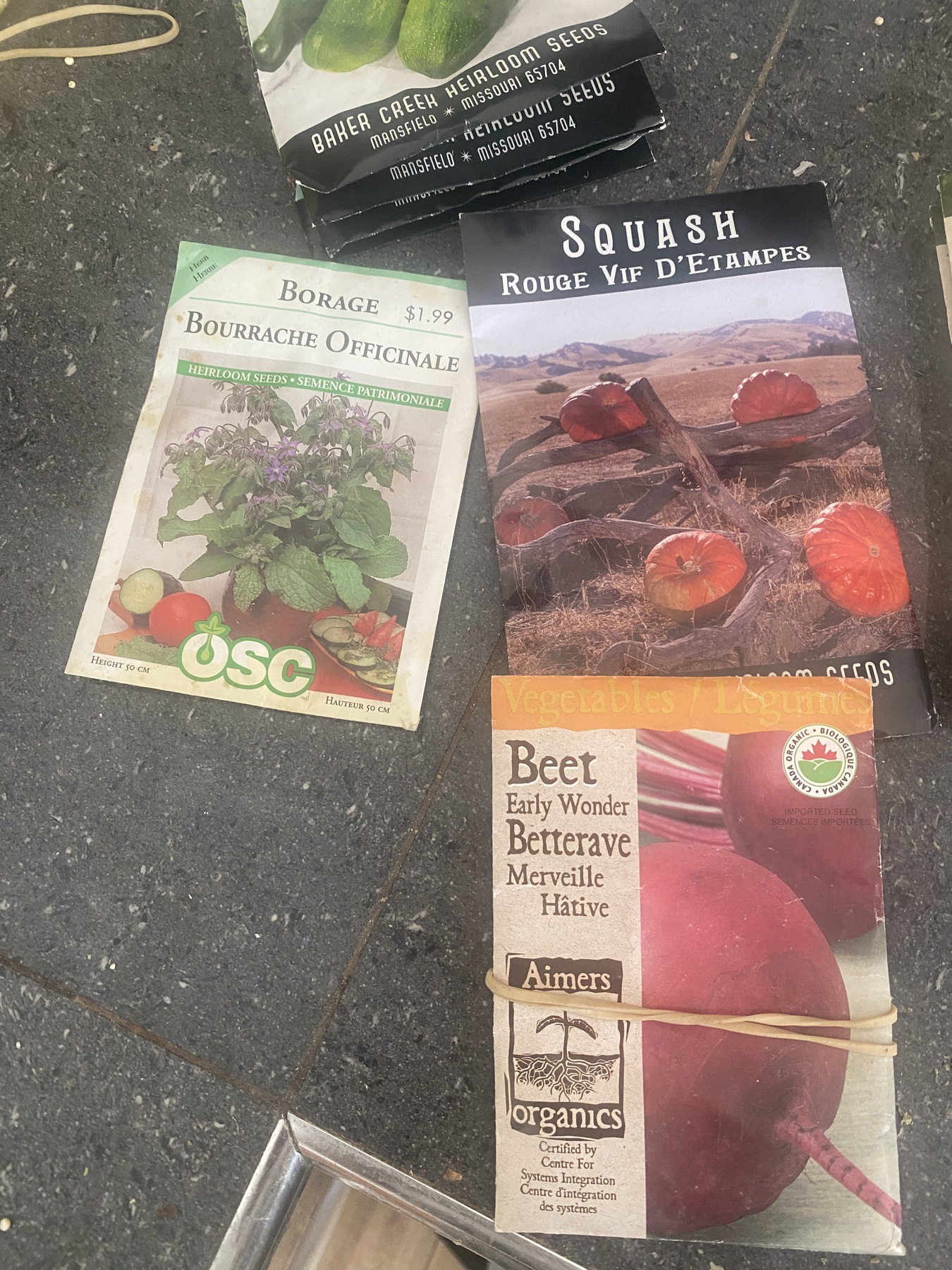
The Rouge Vif d'Etampes packet shows a vivid red-orange, flattened pumpkin. Baker Creek describes a historical French variety used for soup stocks. That specific culinary identity is useful: an attractive pumpkin does not become a suitable puree merely because it looks good in an autumn display.
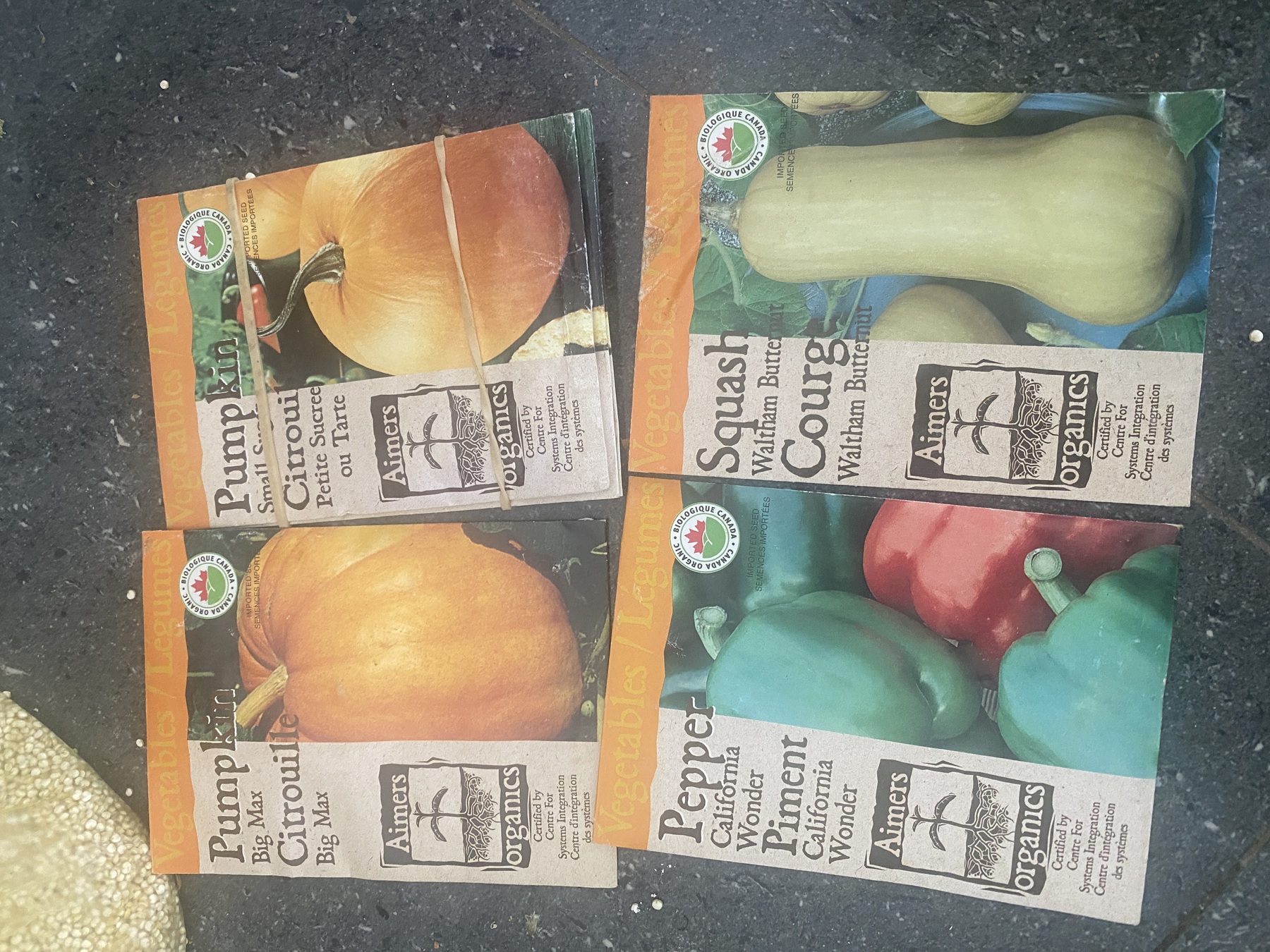
The collection also contains Aimers Small Sugar and Waltham Butternut. They offer other starting points, with different rind and flesh characteristics. Keep their packet identities separate. A photographed Small Sugar packet is not proof that it is the same seed lot as a differently named sugar-pie strain sold elsewhere.
Wash the squash before cutting it, remove the seeds and coarse stringy material, and follow a roasting method suited to the pieces you have. The flesh needs to yield readily before it can become a smooth mash.
Once it is cool enough to handle, separate the flesh from the rind. A fork or masher leaves more texture; processing makes a smoother result. Neither choice fixes a wet batch automatically. Judge the cooked flesh before adding broth, dairy, or another liquid.
Some cooked squash makes a looser puree than others. Draining or gently reducing an overly wet batch can help. A dry batch may need a small amount of liquid, added gradually. The amount depends on the actual squash and the texture wanted.
That is why this serving concept does not assign a universal yield or cooking time. A spoonable vegetable puree and a thin soup have different roles at the table. Decide which you want, then adjust the method rather than covering an unsuitable consistency with a garnish.
A second serving, with a different plate and setting.
Choose savory accents deliberately
Softly cooked garlic brings a different character from raw crushed garlic. Chives give the cook a simple fresh accent. A small roasted wedge beside the puree offers texture and identifies the vegetable before anyone lifts a spoon.
There is no need for sugar, syrup, or a dessert-style topping in this proposed plate. Butter, cream, and stock are still recipe choices, not invisible ingredients. If you prefer a preparation without dairy or added oil, ask how the cook achieves the desired consistency.
Look at how a restaurant uses squash
Piedra & Sal's Creamy Squash Soup names macre pumpkin, loche squash, and nuts. Muju pairs its baked paiche with loche puree and sage-butter sauce. Those are specific restaurant descriptions with their own ingredients.
They offer a useful comparison for the role of squash, without establishing that either kitchen uses Rouge Vif d'Etampes. Nuts belong to Piedra & Sal's published soup description; Muju's paiche description includes butter, a dairy ingredient, while the audit records gluten-containing cereal and soy symbols. Confirm the complete recipe rather than borrowing the simple ingredient list from this serving idea.
Keep leftover puree for another meal safely
Cool cooked puree promptly in shallow containers and refrigerate it. USDA's general cooked-leftover guidance is three to four days in the refrigerator, with reheating to 165°F. Freeze extra portions when that better suits the amount prepared.
Home-canning mashed or pureed pumpkin is a different issue. The National Center for Home Food Preservation does not recommend it; tested cubed-squash instructions do not transfer to puree. At a restaurant, these details are normally the kitchen's responsibility. At home, choose the preservation method before making a very large batch.
A squash wedge and a spoonful of puree do different jobs
Alongside Rouge Vif D'Etampes, Small Sugar, and Waltham Butternut, the collection includes Table Queen and Big Max. Table Queen is an acorn-shaped squash with a hard green rind and pale-yellow flesh in OSC's description. It suggests a wedge or a small cut portion with a clearly visible edge, rather than an assumption that every squash should become orange puree.
Big Max can remain a separate choice for the cook to evaluate from the actual culinary fruit. Judge the flesh after cooking before deciding how much liquid the puree needs. A variety's name or an impressive whole fruit is less useful to the guest than a smooth serving that holds its place beside the main course.
Lemongrass offers an alternative to a garlic-led puree
Lemongrass can give a squash preparation a different aromatic direction. University of Florida guidance describes removing tough outer leaves and cutting or bruising the inner stalk for cooking. For this plate, the kitchen could infuse suitable broth with prepared lemongrass, remove the fibrous pieces, and use a little of that liquid to adjust the cooked squash.
Treat the aroma as an option rather than adding it automatically to the garlic-and-chive version. A small taste should leave the squash recognizable. The completed puree should be comfortable to eat with a forkful of fish, without stalk fragments hidden in it.
Serve the squash beside baked high-altitude Andean trout
Baked high-altitude Andean trout, a modest quinoa portion, and savory squash puree make a complete meal. A separate roasted wedge adds enough texture without a fried garnish. Ask for any fish sauce on the side so it does not overwhelm the squash or turn the entire plate into one soft mixture.
Restaurant references
These published combinations offer useful comparisons. They do not establish that the restaurants use the photographed seed varieties or can prepare the illustration.
Piedra & Sal · Creamy Squash Soup
Macre and loche pumpkin with nuts.
Soup implies cooked; base preparation not stated. Confirm no fried base, added sugar, and oil/cream composition. Full recipe, preparation fat, garnishes and restaurant substitutions are unverified.
Cusco; undated; observed 2026-10-12. A menu reference, separate from the pictured serving concept.
Muju, Rio Sagrado, a Belmond Hotel · Paiche amazónico al horno
Paiche, loche squash puree, sage-butter sauce.
Baked (stated) The printed menu marks gluten-containing cereals and soy; ask which recipe components or cross-contact the symbols describe. Butter explicit; confirm oil and sauce additions. Full recipe, preparation fat, garnishes and restaurant substitutions are unverified.
On the Urubamba-Ollantaytambo road, the official dining page names Muju. Its linked lunch and dinner menus are references to check with the restaurant. The older El Huerto menu dates from April 2025. These menu references are separate from the pictured serving concept.
Mash listed; recipe incomplete. Confirm butter/cream, other fat and portion. Full recipe, preparation fat, garnishes and restaurant substitutions are unverified.
Cusco; Undated live menu, checked October 12, 2026. A menu reference, separate from the pictured serving concept.
These additional meals keep the photographed varieties distinct. The kitchen prepares the food; the images suggest combinations to discuss, rather than a tested menu.
Roast cuy with Big Max pumpkin and kaniwa
Illustrated complete meal: Roast cuy with Big Max pumpkin and kaniwa
Ingredient serving: Big Max
Big Max becomes interesting at dinner when its scale gives way to a carefully cut portion. A tender yellow-orange wedge can sit beside carved roast cuy, with enough orange rind left visible to explain the vegetable's form. The flesh should yield easily to a fork. A broad slice that needs wrestling with would overwhelm the small portions of meat and grain around it.
Keep carved roast cuy in a modest portion, with cooked canihua served where its texture remains easy to enjoy. A few steamed skin-on native-potato halves could complete the warm plate, with the flesh visible at the cut. Offer a little huacatay leaf sauce separately, leaving the vegetable and meat easy to taste on their own. If wanted, offer a little food-grade sacha inchi oil as a cold finish after cooking, never as a frying oil.
Illustrated complete meal: Roast duck with savory Small Sugar pumpkin
Ingredient serving: Small Sugar
Small Sugar belongs comfortably in a savory meal despite its name. Roast wedges could keep their orange edges while a small spoonful of puree provides a softer companion to carved duck. Those two preparations offer different textures from the same pumpkin. Leave a little flesh uncovered so the guest can see the fine texture rather than meeting a plate covered entirely in sauce.
For the rest of the meal, cooked red quinoa could sit in a small separate mound beside carved roast duck. A small spoon of yellow-fleshed native-potato mash could provide a softer companion. Keep sauces modest and separate so each guest can choose how much moisture to add without covering the main ingredient.
Illustrated complete meal: Roast cuy with Table Queen acorn squash
Ingredient serving: Table Queen
A dark-green curved edge and pale-yellow center give Table Queen a different presence from an orange pumpkin puree. Small roasted crescents would preserve that contrast beside neatly carved cuy. Its acorn shape also suggests a useful serving choice: a cut wedge allows a guest to reach the tender flesh without confronting a whole stuffed squash. The rind can remain an identifying edge on the plate.
A complete serving could bring together carved roast cuy and cooked white quinoa, leaving the featured vegetable or fruit enough room to remain recognizable. A few steamed skin-on native-potato halves could complete the warm plate, with the flesh visible at the cut.
Illustrated complete meal: Roast duck with Waltham Butternut and kiwicha
Ingredient serving: Waltham Butternut
Waltham Butternut offers two useful cuts: a substantial piece from the neck and a curved portion from the seed end. Either could be roasted until the orange flesh is tender, keeping a little tan rind visible. Beside duck, the squash can supply softness without becoming a sweet glaze. A restrained serving leaves room for the grain to have its own texture and place on the plate.
Serve the duck and squash beside a small mound of savory cooked kiwicha. Keep the tiny grains visible rather than stirring them into the squash. A small spoon of yellow-fleshed native-potato mash could provide a softer companion. An optional savory sauce could combine the cooked vegetable puree with a little food-grade cooked maca powder; the cook can adjust the amount to keep the vegetable’s flavor clear. If wanted, offer a little food-grade sacha inchi oil as a cold finish after cooking, never as a frying oil.
Food can give the days around Machu Picchu a welcome sense of place. If you would also like time for reflection, explore a Sacred Valley retreat before or after your visit. Florian Rolke offers The SoulSearching Experience, a five-day seminar for 8-15 participants, with no plant medicine.
Ask for the current dates, venue, price and inclusions before arranging the rest of your trip. These dishes, restaurant visits and garden visits are ideas to explore; they are not confirmed seminar inclusions.
Questions about this dish
Adapted from public cooking questions and published FAQs. Answer sources are linked below each response. Broader ingredient questions are included where they help with this serving.
Which types of pumpkin make a good puree?
Choose a sound pumpkin grown for eating, such as a sugar or pie type, rather than relying on a large carving pumpkin. Butternut squash is another useful option. Different varieties produce different sweetness, color, and moisture, so adjust the finished puree to the serving you want.
Homemade puree lets you choose the squash and control its roasted flavor and final thickness. Canned plain pumpkin is convenient and more consistent between batches. Neither needs a claim of being universally better. When substituting homemade puree, check its moisture and the amount required by the particular preparation.
Fibers can remain when the pumpkin variety is naturally stringy or the flesh has not softened fully. Cook it until very tender, then process thoroughly. A fine sieve or food mill can help remove persistent fibers. Large carving pumpkins are generally less suited to a smooth puree than eating varieties.
There is no dependable yield for every whole pumpkin. Size, variety, seed cavity, trimming, and drainage all affect how much finished puree remains. Measure or weigh the cooked batch after processing. That is more useful than assuming Rouge Vif d’Etampes, Small Sugar, and Waltham butternut will produce equal amounts.
Usually, soft roasted flesh can be processed without adding water. Give the machine time to break it down, stopping to scrape the sides as needed. If a genuinely dry batch will not move, add a small splash and reassess. Excess liquid is easier to avoid than to remove afterward.
Let the puree drain through a fine sieve, or warm it gently in a wide pan while stirring so excess moisture can evaporate. Keep the heat controlled to avoid scorching. Stop when the texture suits the dish; a warm vegetable side does not need the same thickness as every baking formula.
For a smooth plated side, aim for soft, even puree without hard pieces or coarse fibers. It should hold together on the spoon while remaining easy to spread or scoop. The exact thickness is a serving preference. A baking recipe may require a more specific consistency than this simple vegetable preparation.
Add a small amount of water or another liquid appropriate to the dish, then blend or stir again. Work gradually so the puree stays cohesive rather than turning soupy. A dry squash may need a little help, while another variety may already contain enough moisture without any addition.
Thaw frozen puree in the refrigerator, preferably in the portion you plan to use. Stir it afterward and check the texture. Some liquid may separate; drain or gently reduce excess moisture if necessary. Keep the thawed puree refrigerated and follow the same safe handling rules as other cooked leftovers.
Yes. Cool the cooked puree promptly and pack it in freezer-safe portions. The National Center for Home Food Preservation specifies leaving half an inch of headspace in its pumpkin-freezing method. Label the packages with the date and amount so you can thaw only what you need for a later meal.
Whole roasting is one option when a pumpkin is difficult to cut safely. The referenced recipe cooks it until softened, then allows it to cool enough to handle before cutting and removing the seeds and rind. A large squash takes longer, so use tenderness rather than a single fixed time.
Use USDA’s general cooked-leftover limit of three to four days in the refrigerator. Divide a large batch into shallow containers and refrigerate within two hours, or one hour when the temperature is above 90°F. Freeze portions you will not use in that window rather than extending refrigerated storage to a week.
Home canning is not recommended for mashed or pureed pumpkin or winter squash. Their varying thickness makes a reliable home-processing schedule difficult to establish. Freeze puree for longer storage instead. Tested instructions for pressure-canning squash cubes concern a different product and should not be adapted to a dense puree.
Can butternut or another winter squash replace pumpkin?
Yes, butternut and other suitable cooking squashes can make a smooth puree. Expect differences in sweetness, color, and water content. Waltham butternut can provide a different result from Rouge Vif d’Etampes or Small Sugar, so check the cooked texture before adding liquid and season the finished batch to taste.
No. Roasted flesh that already produces a thick, smooth puree may not need straining. Check the consistency after blending. If liquid collects or the mixture is thinner than you want, drain it in the refrigerator or reduce it gently on the stove. The squash and intended dish determine whether that extra step helps.
Not necessarily. When roasting pumpkin in pieces with the rind attached, you can scoop out the softened flesh after cooking. Let it cool enough to handle first. For a smooth puree, separate the flesh from tough rind rather than assuming the skin will disappear in the blender.
Yes, cooked pumpkin can be pureed after pressure cooking or slow cooking. Follow instructions written for your appliance and the size of the pieces rather than borrowing an oven time. These methods produce a different moisture profile from roasting, so assess the puree before adding extra liquid.
A blender or immersion blender can process softened pumpkin. A potato masher, food mill, or fine sieve offers another route, although hand-mashed puree may remain more textured. Whichever tool you use, start with fully tender flesh. Follow the appliance’s instructions for handling warm ingredients and avoiding trapped steam.
Roasting can concentrate flavor and add browned notes at the exposed surfaces. Boiling and steaming are also valid ways to soften pumpkin, but they produce different moisture and flavor results. For a savory puree, choose the method you prefer, then adjust the finished thickness rather than expecting identical results.
Plain pumpkin puree is cooked pumpkin flesh mashed or processed until smooth. It does not need sugar, spices, or a prepared filling mix. Keeping it plain gives you a flexible vegetable base that can be seasoned with garlic, herbs, or other ingredients suited to the meal.