Fine mizuna leaves and thicker Chinese-broccoli stems need different attention. Garlic and a little cooking liquid bring the finished greens together.
An illustrated serving concept in an Andean hotel setting.
Roast cuy with tender garden greens
A small portion of roasted cuy can sit beside the cooked greens and tender native potatoes. Keep the leaves generous, ask about the roast preparation, and let a separate sauce remain optional.
Explore cuy in the ingredient guide. Confirm the actual preparation and availability with the kitchen.
Cook thicker stems before the delicate leaves, judging each by its texture. Finish with softened garlic and a little broth. Mizuna, komatsuna and Chinese broccoli offer different forms; they do not need to be cooked for the same length of time.
The featured ingredient, served on its own.
Illustrated serving concepts and an imagined Sacred Valley garden. These are not photographs of a named restaurant, a current harvest, or a tested recipe.
Read the names before treating the leaves alike
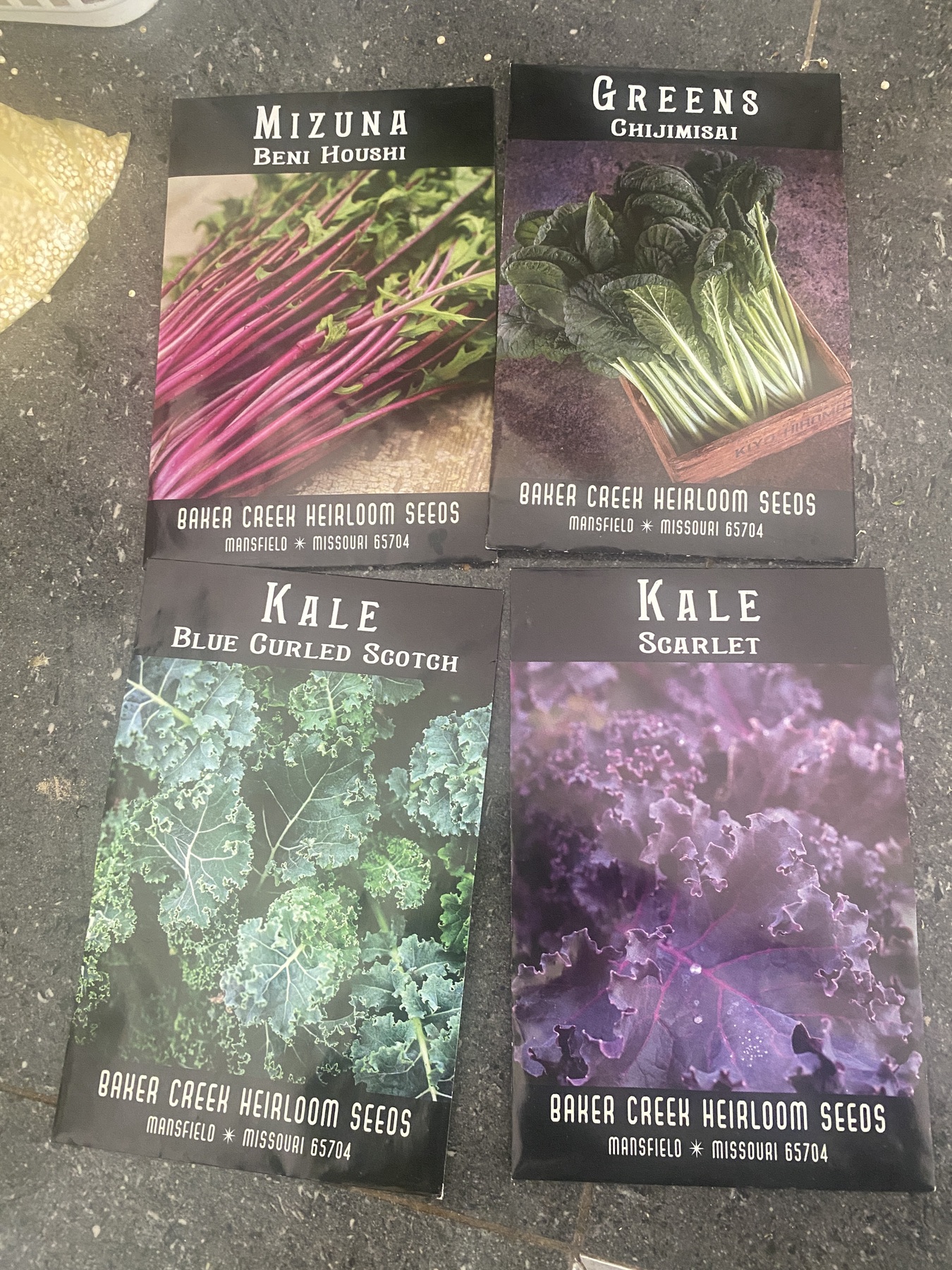
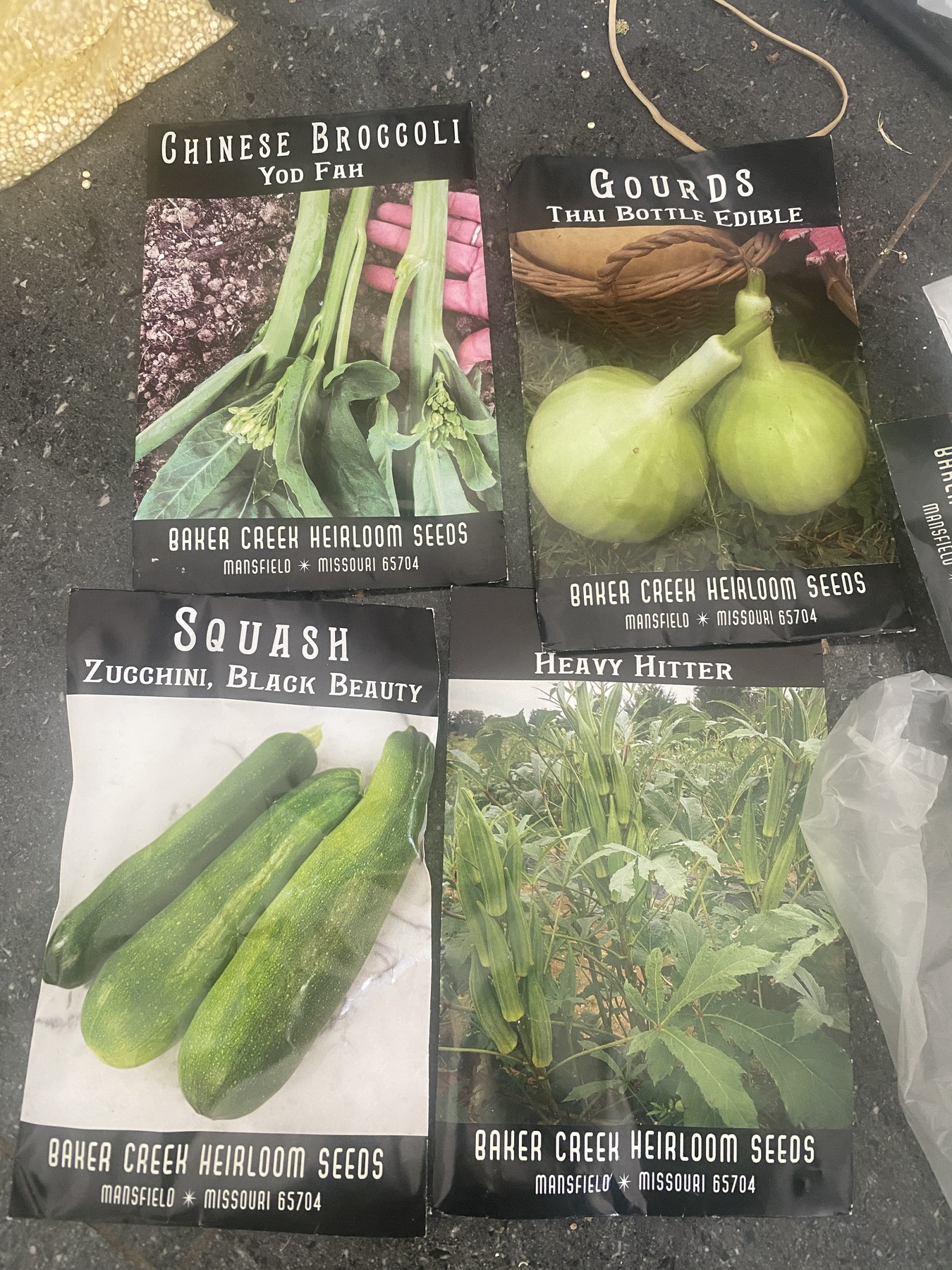
The packet collection includes Beni Houshi and 605 Summer mizuna, Old Tokyo komatsuna, Yod Fah Chinese broccoli, Chijimisai, and several kales. They offer a wider range of forms than a generic mixed-green label suggests.
Beni Houshi supplies a purple-stemmed visual detail; komatsuna offers broad leaves and tender stalks. Yod Fah is a Chinese-broccoli selection with edible shoots and leaves. Its small bud clusters and stalks deserve their own cooking attention. None of those features requires a claim that one green is nutritionally superior to another.
A substantial stalk and a fine leaf do not soften at the same rate. Cutting or separating them gives the cook more control. In a gentle cooked dish, the thicker parts can receive attention before the more delicate leaves are added.
This serving concept uses a little broth or cooking liquid with softened garlic. It does not rely on a fried topping. The actual timing will depend on the greens and their maturity, so taste for the texture you want rather than following a schedule intended for another vegetable.
Garlic can sit within the warm liquid instead of arriving as crisp fried chips. That changes its role: a savory background to the leaves, with the amount adjusted to the greens and the rest of the meal.
Soy-based or sweetened sauces would create another recipe. If they are present, they also change dietary and allergen questions. The illustrated dish keeps the proposed combination simple. When ordering, ask what the kitchen uses rather than treating the absence of a sauce name as proof that none is added.
A second serving, with a different plate and setting.
Choose a leaf texture you enjoy
Some people enjoy a little resistance in a stalk; others want a softer cooked vegetable. Say which you prefer. A small portion of a new green can be enough to decide whether you want a larger plate on another day.
Kale can be a separate comparison, especially the Blue Curled Scotch and Scarlet packets. Its curled leaves have another texture and may deserve a different cut. Combining every variety into one bowl can obscure the differences that made them worth choosing in the first place.
Use the grain as a companion
For a more substantial meal, cooked quinoa can be served alongside the greens. Keeping the elements distinct lets you taste the cooking liquid and leaf texture before mixing a forkful with the grain.
If a bowl is the preferred format, start with a modest grain base and enough vegetables to remain the focus. That is a proposed serving rather than a measured recipe. The quinoa guide covers the grain's preparation separately, so the vegetable article can concentrate on the leaves and stems.
A Valley menu offers a related idea
Chuncho's Nabos Jaucha is a hot salad of turnip leaves, chard, potatoes, and corn. The source establishes a warm greens dish without identifying every heat treatment or cooking fat. Muju also names quinoa with asparagus in a tabbouleh, a different preparation and meal format.
These references show that greens and grains already have a place in regional restaurant descriptions. They do not establish that the photographed mizuna or komatsuna is served there. Ask which leaves are available and how they are cooked; that is the beginning of a useful order.
Milk bok choy and Mei Qing Choi bring substantial stems
Milk bok choy offers ivory-white stems against green leaves in Baker Creek's description. Mei Qing Choi Hybrid has pale-green stems and a compact form in its suppliers' descriptions. Hybrid belongs in its name; these are two different choices for a cooked vegetable portion.
A kitchen can serve suitable small heads in manageable halves or quarters, washing carefully between the leaf bases. The broader stem portions need attention before the leaves collapse. Light broth and softened garlic suit this serving, with a little cooking liquid brought separately rather than flooding the plate.
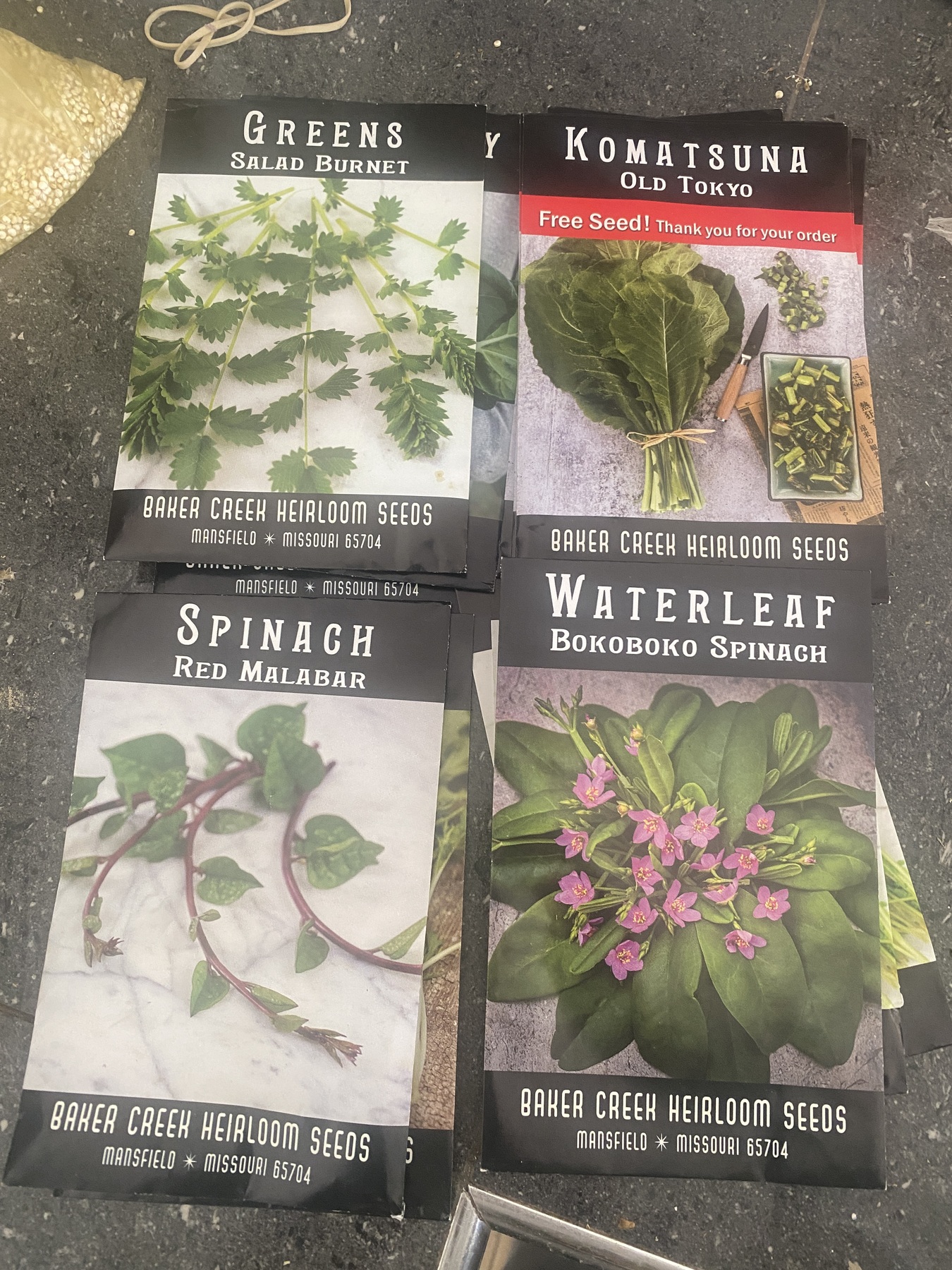
Extra Curled cress is garden cress, described by OSC as a peppery salad addition. Salad Burnet has a cucumber-like flavor, and Illinois Extension recommends its tender new foliage as a fresh herb. These can provide small accents beside a meal; they need not spend the same time in hot broth as a substantial brassica stalk.
Mesclun Mixture needs its actual components checked before it becomes a salad description. Red Fire orach is another distinct leaf: OSC describes crimson-purple foliage with a mild, spinach-like flavor and use as baby greens. Select the leaf texture wanted, then decide whether a cool separate salad or a cooked portion suits the plate. Do not assume the red color will stay unchanged after cooking.
Beside baked high-altitude Andean trout and quinoa, choose one principal cooked green. Old Tokyo komatsuna or Chijimisai could give a leafy portion; Yod Fah Chinese broccoli brings its own shoots and stalks. The 605 Summer and Beni Houshi mizuna choices can be discussed according to the actual leaf's maturity and intended texture.
A small fresh accent can then complement that warm portion without mixing every green into one bowl. This lets the guest taste the vegetable before adding more broth or dressing. The menu can simply name the principal leaf and the preparation the kitchen has chosen.
These published combinations offer useful comparisons. They do not establish that the restaurants use the photographed seed varieties or can prepare the illustration.
Chuncho · NABOS JAUCHA
Wild turnip leaves, chard, potato, corn.
Hot salad (stated hot; exact heat technique unknown) Confirm oil and whether vegetables are boiled or sautéed. Full recipe, preparation fat, garnishes and restaurant substitutions are unverified.
Ollantaytambo; Current live-linked 2026 menu; PDF created June 25, 2026, URL uploaded July 2026. Menu changes seasonally.. A menu reference, separate from the pictured serving concept.
Muju, Rio Sagrado, a Belmond Hotel · Tabbouleh de quinua
Quinoa with asparagus.
Unspecified (unknown) Confirm asparagus preparation and dressing oil. Full recipe, preparation fat, garnishes and restaurant substitutions are unverified.
Urubamba-Ollantaytambo road; Current official dining page names Muju. Live-linked lunch PDF created July 15, 2026; dinner PDF created July 16 and modified July 31, 2026. El Huerto PDF is April 2025 history.. A menu reference, separate from the pictured serving concept.
These additional meals keep the photographed varieties distinct. The kitchen prepares the food; the images suggest combinations to discuss, rather than a tested menu.
Roast duck with Milk bok choy and Mei Qing Choi
Illustrated complete meal: Roast duck with Milk bok choy and Mei Qing Choi
Ingredient serving: Milk, Mei Qing Choi Hybrid
Milk bok choy and Mei Qing Choi make their difference clearest through the stems. Milk has white petioles beneath its green leaves, while Mei Qing offers pale-green bases in a compact form. Steam lengthwise halves so both remain visible. Beside duck, the tender leaves and more substantial stem portions can give two textures in the same vegetable serving without needing a thick sauce to hold the plate together.
For the rest of the meal, cooked canihua could sit in a small separate mound beside carved roast duck. Keep sauces modest and separate so each guest can choose how much moisture to add without covering the main ingredient.
Illustrated complete meal: Roast cuy with Chijimisai and Old Tokyo greens
Ingredient serving: Chijimisai, Old Tokyo
Chijimisai's crinkled green leaves bring a different surface from the broader, smoother komatsuna in this serving. Cook broad pieces gently and keep some leaf shape intact beside the cuy. Finely chopping everything together would erase the comparison. A little cooking liquid can remain with the vegetables, while softened garlic gives a quiet savory direction without turning the greens into an oily coating for the meat.
A complete serving could bring together carved roast cuy and cooked red quinoa, leaving the featured vegetable or fruit enough room to remain recognizable. A few steamed skin-on native-potato halves could complete the warm plate, with the flesh visible at the cut. If wanted, offer a little food-grade sacha inchi oil as a cold finish after cooking, never as a frying oil.
Roast duck with Red Fire orach and 605 Summer mizuna
Illustrated complete meal: Roast duck with Red Fire orach and 605 Summer mizuna
Ingredient serving: Red Fire, 605 Summer
Red Fire orach has broader red-purple leaves, while 605 Summer mizuna contributes fine divided green leaves and pale stems. Cooking will soften both their structure and their colors. Keep broad orach pieces and some distinct mizuna stems visible beside the duck. The interest comes from two leaf shapes sharing a prepared serving, rather than a promise that the cooked greens will retain the brightness of a fresh bunch.
Let cooked white quinoa carry its own part of the meal beside carved roast duck, with the featured accompaniment kept generous and clearly visible. Keep sauces modest and separate so each guest can choose how much moisture to add without covering the main ingredient.
A proposed serving, with preparation and supply to be confirmed by the kitchen.
Food can give the days around Machu Picchu a welcome sense of place. If you would also like time for reflection, explore a Sacred Valley retreat before or after your visit. Florian Rolke offers The SoulSearching Experience, a five-day seminar for 8-15 participants, with no plant medicine.
Ask for the current dates, venue, price and inclusions before arranging the rest of your trip. These dishes, restaurant visits and garden visits are ideas to explore; they are not confirmed seminar inclusions.
Questions about this dish
Adapted from public cooking questions and published FAQs. Answer sources are linked below each response. Broader ingredient questions are included where they help with this serving.
How can I serve komatsuna to people who dislike bitter greens?
Start with young, tender komatsuna and a modest portion alongside familiar vegetables. Old Tokyo is described as mild, although individual harvests can differ. Garlic and a light savory dressing can make the leaves more approachable. Cook until tender rather than leaving tough stems mixed through delicate leaves.
What names should I look for when buying komatsuna?
Look for komatsuna, Japanese mustard spinach, or tendergreen. Despite the spinach nickname, komatsuna belongs to the mustard family. Its leaves and stems work in soups and gently cooked vegetable dishes. A packet labeled Old Tokyo identifies a particular komatsuna strain, rather than ordinary spinach.
Komatsuna can share a dish with other leafy greens, including mizuna or spinach. Their textures matter more than matching their names: firmer stalks need more cooking than thin leaves. Add delicate greens later so the finished dish has tender stems without an overcooked layer of leaves.
Can a large assortment of leafy greens be cooked and frozen?
Yes, suitable leafy greens can be blanched and frozen for later cooked meals. Sort different greens first and follow a tested freezing method for the type you have. Thawed leaves will be softer, making them more useful in soups or warm vegetable dishes than in a crisp salad.
How can greens with different textures be cooked in one dish?
Separate thick stalks and sturdy leaves from the most delicate greens. Cook the firmer pieces first, then add quick-wilting mizuna near the end. Another option is to cook the greens separately and combine them before serving. This gives you more control over the texture of each ingredient.
Mizuna is a Japanese leafy green in the mustard family. It has deeply cut leaves, slender stems, and a mild peppery flavor. It can be eaten raw or briefly cooked. Beni Houshi is a named variety with purple-red stems, rather than a different kind of spinach.
Mizuna has a fresh peppery bite with a little pleasant bitterness. Its slender stems add crunch, while the leaves are delicate. It is often compared with arugula, although the flavor is usually milder. Young leaves and older bunches can taste different, so season the particular batch you have.
Arugula can provide a similar peppery note, but it will not taste or cook exactly like mizuna. Use tender leaves and add them near the end of a warm preparation. Start with a modest amount, then taste, since the strength of either green can vary.
Mizuna softens quickly with heat. Add it toward the end of a soup or gently cooked greens dish, giving it enough time to wilt without losing all its texture. Purple-red stems can become more subdued during cooking; the finished bowl need not retain the vivid color of a raw bunch.
Trim the cut ends first. Mature gai lan may have a tough outer layer on the lower stalks, which can be removed with a peeler or small knife. Tender baby stalks generally need only trimming. Thick pieces can also be split lengthwise to help them cook more evenly.
Gai lan naturally has some bitterness, so a mild bitter note does not necessarily mean it was prepared incorrectly. Fresh bunches and trimmed, tender stalks give a more pleasant result. Blanch or steam until crisp-tender, then add a light savory dressing rather than cooking indefinitely in pursuit of complete sweetness.
How should leftover cooked Chinese broccoli be stored?
Cool leftovers promptly in shallow containers and refrigerate them. The referenced Chinese-broccoli recipe recommends using them within two days for its preferred quality. USDA advises refrigerating cooked food within two hours, or one hour above 90°F. Reheat leftovers to 165°F; the greens will become softer as they sit.
You can blanch Chinese broccoli a few hours before serving, then refrigerate it without the dressing. Reheat it briefly and add the sauce near serving time. This helps keep the preparation manageable, although freshly cooked stems will usually have a firmer texture than ones that have been held and reheated.
A light mixture of soy sauce, garlic, and a little sesame can give cooked greens a savory finish. Mushroom-based vegetarian oyster sauce is another option. Check the ingredient list if you need to avoid shellfish, wheat, or another ingredient; similar-looking sauces can have different formulations.
The vegetables themselves can form a vegetarian side, but conventional oyster sauce contains oyster extract. Use a suitable mushroom-based alternative or a simple vegetarian dressing instead. Check the remaining seasonings too, particularly any broth or prepared sauce, before describing the whole dish as vegetarian or vegan.
What can replace Chinese broccoli in the cooked side?
Broccolini is a useful substitute when Chinese broccoli is unavailable. Regular broccoli can also work, but its larger florets and different stalk structure change the finished texture. Trim and cut the substitute according to its size, then judge tenderness rather than copying a cooking time unchanged.
No. Chinese broccoli, or gai lan, has broad leaves and substantial stalks with small flower buds. Broccolini is a cross involving Chinese broccoli and regular broccoli, with a different appearance and texture. They can sometimes substitute for one another, but they should not be presented as identical ingredients.
Yes. Select tender leaves, remove woody stems, and follow a tested blanching-and-freezing method for kale. Cool and drain the greens before packing them for the freezer. Frozen kale is best reserved for cooked dishes, since freezing softens the leaves and changes the texture you would expect in a fresh salad.
What is a practical way to keep raw kale before cooking?
Keep kale refrigerated, loosely wrapped with a paper towel to help manage excess moisture. Avoid crushing the leaves or sealing them while wet. Wash them under running water before cooking, and discard rotten material. Raw-green storage advice is separate from the shorter handling rules for a finished cooked dish.
Kale stalks are firmer and more fibrous than the leaves. For a quick, tender greens dish, remove the thick stalks or cut them very small and cook them first. Add the leaves later. Thin, tender stalks need less preparation, so judge the bunch rather than treating every stem alike.