A few chosen leaves can explain a plate better than a large mixed garnish. Each herb here has a flavor and a practical role.
An illustrated serving concept in an Andean hotel setting.
Baked high-altitude Andean trout with a considered herb finish
Use the leaves deliberately rather than assembling an anonymous green garnish. A little identified salad burnet or cress can accompany the quinoa and cucumber side, while a separate lemongrass broth offers another direction.
Explore High-altitude Andean trout in the ingredient guide. Confirm the actual preparation and availability with the kitchen.
Use identified culinary herbs for different jobs: young salad burnet leaves with cucumber, Extra Curled garden cress as a peppery accent, lovage sparingly in broth, and lemongrass to infuse a strained liquid beside cooked high-altitude Andean trout.
The featured ingredient, served on its own.
Illustrated serving concepts and an imagined Sacred Valley garden. These are not photographs of a named restaurant, a current harvest, or a tested recipe.
Start with the herb and the edible part
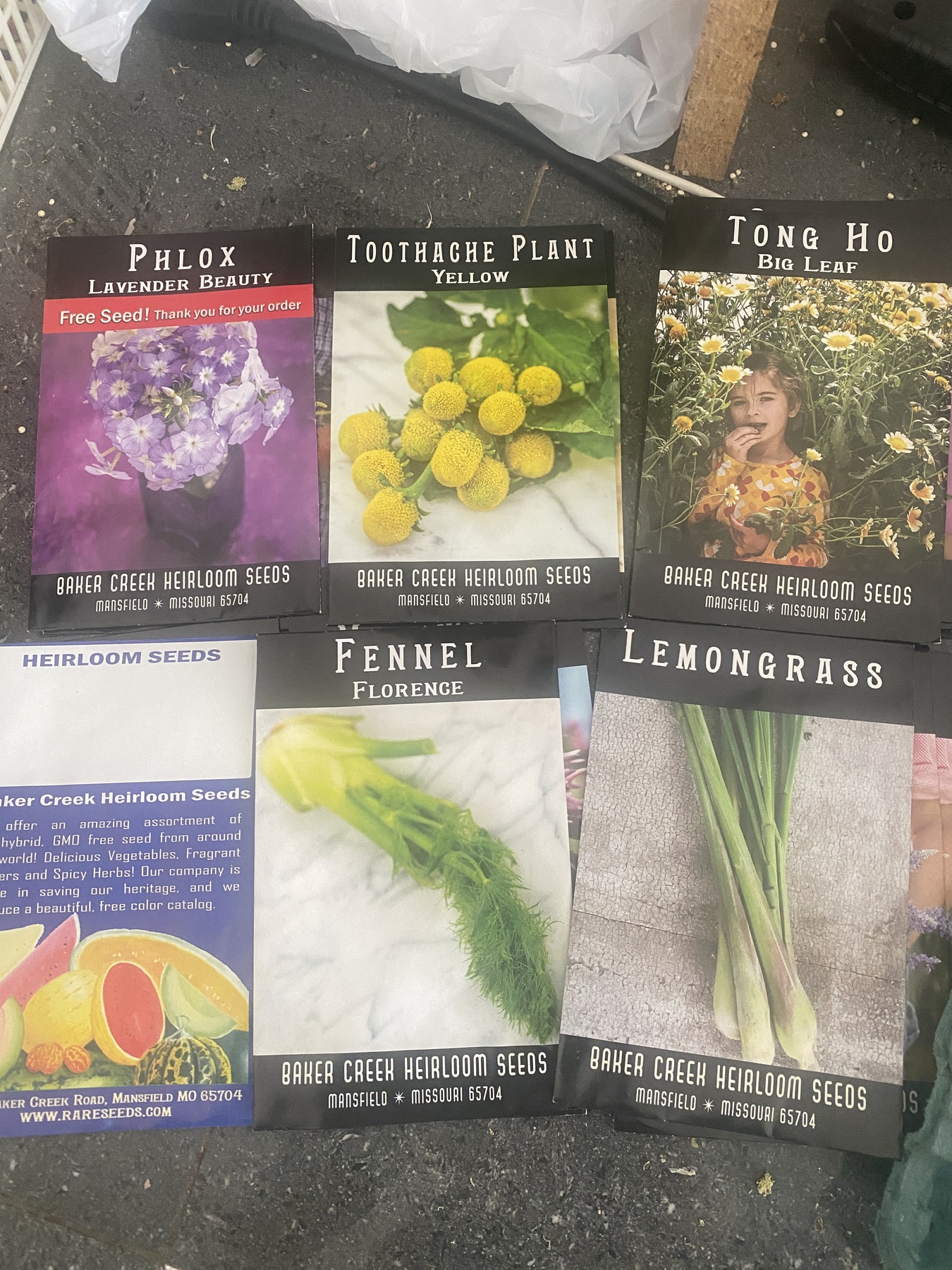
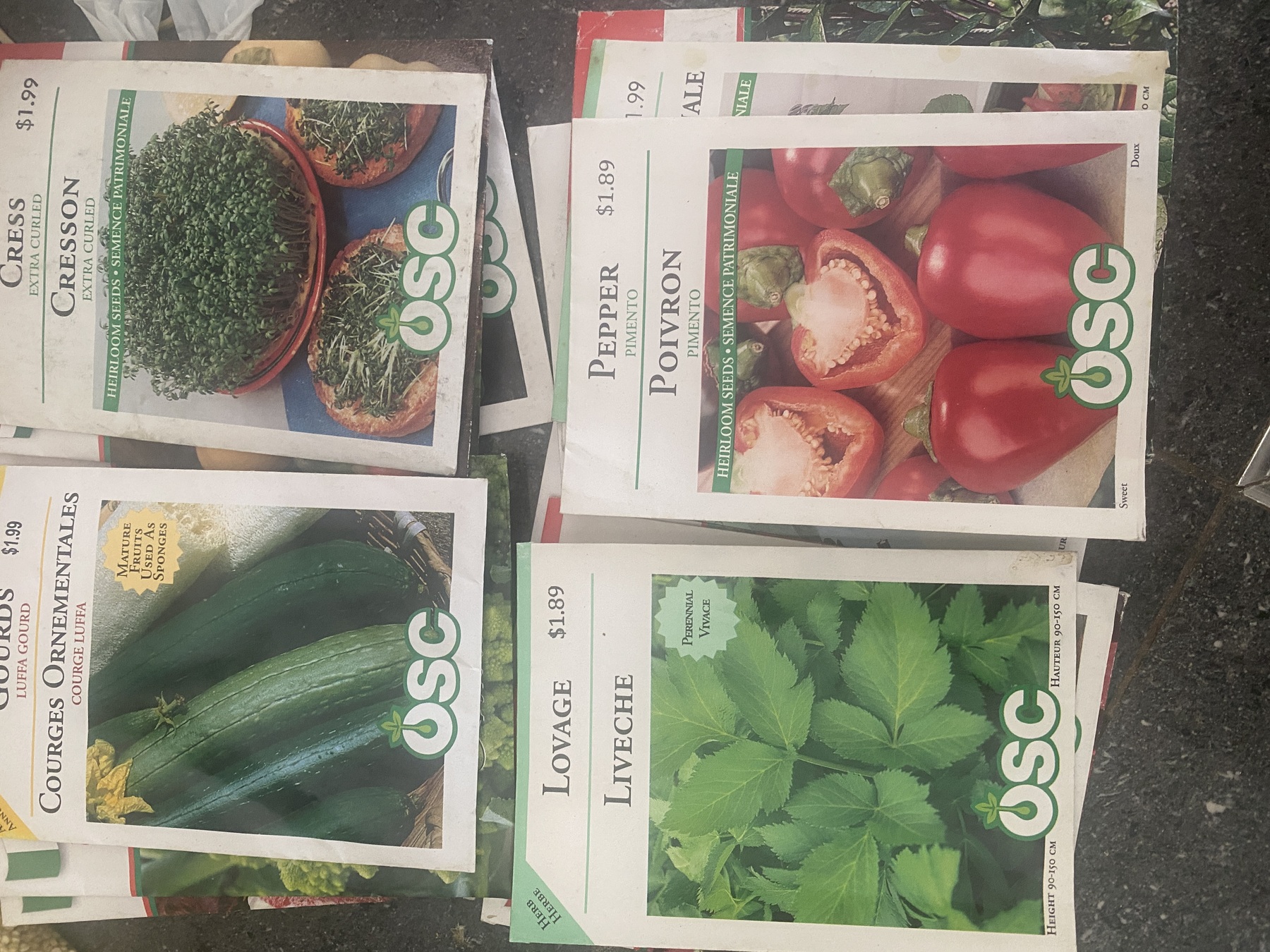
The collection includes Salad Burnet, Extra Curled cress, lovage, and lemongrass. They should not become an anonymous scattering of green leaves. Their forms and flavors differ enough that the choice changes the dish. The photographed packet names guide identification, while authoritative culinary sources help establish the plant and part to use.
This page keeps those herbs in ordinary food roles. Ornamental salvia, comfrey, milkweed, morning glory, and other decorative or medicinal packets do not join the plate. A pleasant scent or a familiar common name is insufficient evidence that a plant can be eaten.
A high-altitude Andean trout dinner gives the herbs a modest job
Imagine cooked high-altitude Andean trout with native potatoes and tender vegetables, finished with a little chopped culinary herb. A clear lemongrass-infused broth can be offered separately. The fish should stay visible and easy to eat, with no tough aromatic stalks left across the fillet.
This is a proposed dinner prepared for hotel guests. It does not establish a retreat menu, a current herb harvest, or that the pictured kitchen uses these packets. Ask which herb the cook intends and whether the broth contains fish or meat stock when that affects a guest's choice.
Salad burnet belongs with cucumber and a cooked grain
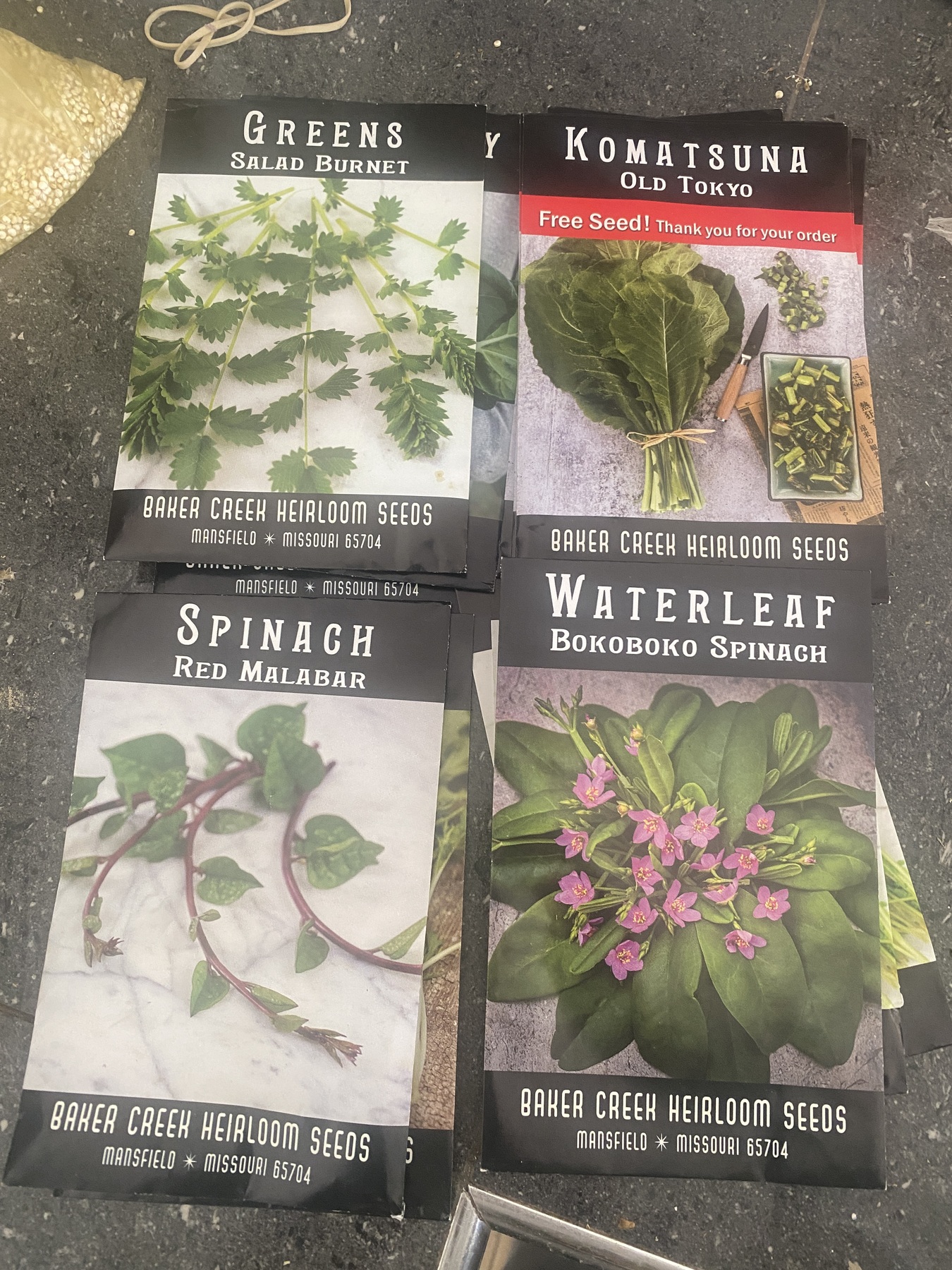
Illinois Extension describes salad burnet under the name Poterium sanguisorba, with tender young foliage and a cucumber-like flavor. Other botanical records use Sanguisorba minor. Use properly identified young leaves; older foliage can be tough and bitter.
For a vegetable course, combine a modest amount of chopped burnet with cucumber and cooled cooked quinoa. The herb can repeat the cucumber note without taking over the bowl. Keep the dressing light and savory. The serving is an idea, not evidence that burnet is a traditional Sacred Valley ingredient or a currently available hotel crop.
OSC identifies Extra Curled as peppercress in its garden cress section, Lepidium sativum. This resolves the partially cropped packet heading without confusing it with aquatic watercress. The culinary interest is in the fine peppery leaves, used in a modest amount rather than as a bulky mound.
A second vegetable serving can place washed cress over cooked carrots and cucumber, with the warm carrots allowed to cool enough for the leaves to remain pleasant. A guest who prefers no raw garnish can ask for it to be omitted. Raw seedlings and sprouts require their own handling considerations; a packet is not a safety guarantee.
The photographed lovage packet does not name a cultivar. OSC identifies its lovage as Levisticum officinale, and RHS documents edible young leaves with a strong celery-like character. Those leaves can season a vegetable broth, but their strength argues for restraint.
A little chopped lovage can accompany carrots, onion, and cooked beans in a clear bowl. Do not claim that the herb replaces a medical treatment, and do not extend the idea to unidentified plants with similar leaves. This serving centers on culinary foliage; there is no need to add a root or seed preparation to make the page complete.
Baker Creek identifies its lemongrass listing as Cymbopogon citratus. Extension guidance also discusses culinary lemongrasses and the aromatic stalks used in soups and sauces. For a delicate high-altitude Andean trout accompaniment, an infused and strained broth is a practical way to use that aroma.
Large tough stalk pieces should be removed before service. Finely prepared tender core is a different kitchen technique, so do not assume that every slice of grass in a photograph is comfortable to eat. Lemongrass can add a citrus-like aroma, but it does not supply the same acidity as lemon juice.
Ask which plant is on the plate, which part was used, and how it was prepared. Those questions give a guest something real to work with. They also keep the garden image honest: this is a study of possible growing forms, not proof of a current harvest or certified organic kitchen supply.
The SoulSearching Experience is a five-day Sacred Valley retreat for 8-15 participants, with no plant medicine. Culinary herbs can be part of meal planning around a visit, but that does not make them retreat treatments or establish included dining and garden activities.
Restaurant references
These published combinations offer useful comparisons. They do not establish that the restaurants use the photographed seed varieties or can prepare the illustration.
Muju, Rio Sagrado, a Belmond Hotel · Mix de frijoles peruanos
Beans, tomato, tree tomato, huacatay, chincho, cilantro.
Unspecified (unknown; cooked beans plausible but not stated) Confirm cooked preparation and oil. Full recipe, preparation fat, garnishes and restaurant substitutions are unverified.
Urubamba-Ollantaytambo road; Current official dining page names Muju. Live-linked lunch PDF created July 15, 2026; dinner PDF created July 16 and modified July 31, 2026. El Huerto PDF is April 2025 history.. A menu reference, separate from the pictured serving concept.
Extraction/blending not specified. Confirm no sweetener, preparation, treatment and water. Full recipe, preparation fat, garnishes and restaurant substitutions are unverified.
Cusco; Undated live menu, checked October 12, 2026. A menu reference, separate from the pictured serving concept.
Food can give the days around Machu Picchu a welcome sense of place. If you would also like time for reflection, explore a Sacred Valley retreat before or after your visit. Florian Rolke offers The SoulSearching Experience, a five-day seminar for 8-15 participants, with no plant medicine.
Ask for the current dates, venue, price and inclusions before arranging the rest of your trip. These dishes, restaurant visits and garden visits are ideas to explore; they are not confirmed seminar inclusions.
Huacatay and the herbs around the plate
Illustrated serving: Huacatay and the herbs around the plate
Identify huacatay before describing its flavor
Huacatay is Tagetes minuta, an aromatic plant in the daisy family. It should not be illustrated as ordinary spearmint simply because a menu or seller uses the English nickname black mint. Its divided leaves and small flower heads help distinguish the plant.
A kitchen should buy a culinary product from a known supplier rather than identify a wild plant from an attractive image. The imagined plant study belongs beside the food as an explanation, not as a foraging guide. This addition does not claim a huacatay seed packet was photographed or that the plant currently grows at a particular Sacred Valley property.
Read a named herb sauce without assigning it an invented origin
The useful story in a small herb sauce is the plant the kitchen used and the preparation you will eat. Keep a documented restaurant ingredient, a regional recipe and an illustrated hotel serving in their own contexts. You can enjoy a distinctive sauce without turning those different references into one claimed Sacred Valley tradition.
Separate the menu reference from the serving idea
Muju's saved light-meals menu names huacatay, chincho and cilantro in its Peruvian bean mixture, along with tomato and tree tomato. That is evidence that the published dish included those named ingredients. It does not identify the photographed seed varieties, the herb supplier or the cooking method for every component.
Ask how today's beans and herbs are prepared, whether the serving is warm or cold and what oil or other additions it contains. If you want the bean dish beside a cooked main and vegetables, say so as a proposed combined order. The menu reference does not establish that this complete plate is already offered.
A sauce name carries more than its green color
PromPeru describes Arequipa's ocopa with huacatay, chili, peanuts, cheese and seasonings over boiled yellow potatoes. That is a useful documented regional context for the herb. A light lemon-and-huacatay accompaniment proposed for a hotel meal is a different preparation, and should be described on its own terms.
Likewise, the parsley-led chimichurri reference belongs with its own ingredient list and culinary context. Serving it with alpaca does not prove it originated in the Valley. A sauce can be a thoughtful contemporary accompaniment without an invented local ancestry. Keep its dedicated guide for the preparation and storage discussion.
Ask for the information that changes your order
Description you hear
Useful follow-up
Why it matters
Huacatay sauce
What else is in this version?
Peanuts, dairy, chili or other additions may determine suitability.
Herb oil or dressing
Which edible oil and which identified herbs?
The color cannot identify the ingredients.
Garden herbs
Which ones were harvested here for today's meal?
Garden language alone does not establish supply.
Chincho on the menu
How is it used in this dish?
The published name does not give a complete recipe.
An unfamiliar regional herb name
Can the kitchen identify its culinary product and preparation?
A familiar-sounding name is not a foraging instruction.
Keep service modest and understandable
Offer the sauce in a small bowl when the kitchen can do so. Cooked high-altitude Andean trout with native potatoes and tender vegetables gives a guest a complete plate even if they choose very little sauce. Roast cuy or cooked alpaca can provide other settings. These remain serving concepts, rather than a promise that the pictured herb combination is available at a named hotel.
Ask about allergies before preparation. Keeping a sauce separate helps with preferences, but it does not remove an allergen already present in the rest of the meal or resolve shared handling. For a fresh herb-and-oil mixture, follow the kitchen's refrigerated preparation controls; acidity and strong aroma do not establish pantry stability.
Use purchased, identified culinary herbs from a known source. Imagined plant studies and seed-packet photographs explain names or growth forms without proving a current edible harvest. Ordinary leaves in a sauce also supply no basis for claims about detoxification, altitude treatment or a measured medical effect. Their immediate purpose is flavor, clearly described and pleasant to eat.
For this concept, the kitchen finely chops culinary huacatay and combines a small amount with lemon, water as needed and a little food-grade sacha inchi oil. The oil is added as a cold finish. The cook should taste the actual herb before deciding how strongly to season the bowl.
The desired result is a light spoonable accompaniment, not a large pool covering the plate. No honey, fruit syrup, fried garnish or white-flour binder is needed for the idea. This is not a tested recipe with quantities. It is a flavor direction for a capable kitchen to prepare and assess before serving a guest.
Let the main food remain recognizable
One complete plate pairs roast cuy with quinoa, steamed broccoli and tender carrots, with the huacatay sauce offered alongside. Another uses baked high-altitude Andean trout and cooked greens. The herb can be prominent in aroma and description while occupying very little of the physical plate.
That leaves room for a guest to taste the protein and vegetables separately. It also avoids a plated herb puree becoming the meal's entire claim to nourishment. These are proposed preparations, not dishes verified on a current restaurant menu. The guest is served a prepared meal, with no cooking workshop or demonstration implied by the garden-and-table story.
Explain the benefit without inventing a treatment
Culinary huacatay provides flavor. In a modest garnish or sauce, that is its clearest role. The presence of plant chemicals or traditional medicinal uses is not proof that this serving detoxifies the body, heals digestion or treats an illness. Essential-oil research is especially easy to misapply to ordinary leaves in food.
A vivid herb can make a simple vegetable accompaniment interesting to eat, but this guide does not claim that it has measured an increase in vegetable intake or a clinical outcome. The meal's overall composition deserves more attention than a speculative benefit attached to a few chopped leaves. Keep supplements and concentrated extracts outside this culinary description.
Parsley can give the sauce a familiar green base, while a little mint or chive can make a separate accompaniment. These are different herbs, with different shapes and flavors. There is no need to combine every aromatic plant in one bowl or rename them all Andean medicine.
Retain the documented seed varieties in their own descriptions. Adding huacatay does not retroactively make those packets local native herbs. A bought bunch, a proposed future planting and a current harvest are three different kinds of evidence. Where the source is only a supplier, call it a purchased culinary herb rather than a garden-to-table harvest from the retreat.
A prepared meal can remain simple
Put the sauce in a small bowl, name the herb and let the guest decide how much to use. Ask about allergies and dietary needs before service, including ingredients added to the sauce or handled in the same kitchen. A green color alone cannot tell a diner what a dressing contains.
Someone visiting the Sacred Valley for The SoulSearching Experience can enjoy culinary details without a promise that any particular dish is included. This is a food idea to discuss separately with the kitchen. It offers a distinctive herb alongside a complete meal, with the gardening image clearly presented as an imagined botanical study.
The Instituto Nacional de Salud del Niño San Borja's ingredient catalog identifies muña as Minthostachys mollis and records its use in infusions and as a seasoning. That supports discussing a correctly identified culinary leaf infusion. It does not establish that every bunch sold under a regional name contains that species, or that an unmeasured cup delivers the nutrients listed for dried leaves by weight. Keep any separately ordered infusion outside the list of confirmed seminar inclusions.
Ask for a food product prepared with potable water, without sugar, honey or syrup if you prefer it plain. A warm unsweetened cup may suit someone who enjoys the aroma after a meal. It should not be presented as a treatment for altitude illness, gastritis or other conditions. Concentrated essential oil is a separate product and is not an interchangeable ingredient for the proposed drink. The kitchen supplies the preparation; the guest is not asked to collect or process a wild plant.
Keep a regional herb name when its identity is unresolved
Chuncho names cunuca in its Kapchi de Olluco con Setas, a stew with olluco and wild mushrooms, with cheese offered as an option. The published name can remain in that dish's description. We have not established a botanical identification for cunuca from this menu, so a Latin name, medicinal benefit or imagined close-up of a specific plant would add certainty the source does not provide. Ask the restaurant what herb it means and how it is used.
Adapted from public cooking questions and published FAQs. Answer sources are linked below each response. Broader ingredient questions are included where they help with this serving.
How much lovage belongs in a broth?
Lovage has a strong celery-like flavor, so a cook should begin modestly and taste the actual batch. This serving idea does not invent a universal measure for every pot.
No. Tough stalk pieces are commonly used for infusion and removed. Tender core prepared finely is a different use; the proposed high-altitude Andean trout broth is strained before service.
Culinary lemongrass foliage and stalks can supply aroma in appropriate preparations. For this plate, use a reliable infusion and remove fibrous material instead of presenting long grass as an edible garnish.
It can contribute a citrus-like aroma but does not provide lemon juice's acidity. Decide whether the dish needs fragrance or sourness before substituting.
The method depends on whether it will be eaten or removed. Bruised pieces can infuse a liquid that is then strained; finely prepared tender core needs a suitable complete recipe.
Does a lemongrass infusion need a universal steeping time?
No. Amount, cut, and desired aroma affect a culinary infusion. Use a complete method and taste appropriately. This page makes no medicinal tea recommendation.
Handle each herb according to its form and storage guidance. Clean equipment, suitable cold storage where needed, and prompt use matter more than treating every herb as the same bunch.
Not automatically. Drying concentrates some flavors and changes others. Use recipe guidance for that herb rather than applying one rigid conversion to burnet, cress, lovage, and lemongrass.
The herb and purpose determine that choice. A lovage broth and fresh burnet over cucumber use different methods; long simmering is not the goal for every delicate finishing leaf.
Remove tough material that would be awkward to eat, or use it for an appropriate strained infusion. A small edible garnish is more useful than a decorative stalk laid over the high-altitude Andean trout.
No. Texture and aroma can change through drying. Salad burnet is best used young and fresh, while other herbs have different preserving uses. Identify the ingredient before deciding.
Follow the recipe's description of chopped, packed, or loose leaves. This serving concept uses modest amounts but does not pretend to be a tested measured recipe.
Some herbs can be preserved by freezing, though the thawed texture may suit cooking better than a fresh garnish. Follow a suitable method for the identified herb and label the batch.
Use clean running water and appropriate clean equipment. Washing reduces contamination but does not sterilize produce. Avoid soap or household detergent on leaves.
Do not disguise spoiled leaves. Select sound culinary herbs and discard rotten material. A garnish is food and needs the same attention as the rest of the plate.
Will frozen herbs look like fresh leaves after thawing?
Often their texture changes. They may suit a cooked preparation, while a fresh burnet or cress finish needs a suitable fresh ingredient. Do not use a picture to promise an identical result.
No. Their useful forms differ, and salad burnet is especially valued as young fresh foliage. Choose preserving guidance for the actual plant rather than treating every packet as dried seasoning.
Can a fresh herb paste be left like a pantry condiment?
No such shelf life should be assumed. Ingredients and handling determine storage; pastes containing herbs or garlic in oil need appropriate refrigeration or a validated preservation method.
Can another herb simply replace parsley or burnet?
A substitution changes the flavor and may change the preparation. Confirm the replacement's edible identity and intended use. Cress is peppery; burnet has a cucumber-like note; they are not identical garnishes.
No. Flavor and a casual photo comparison are not sufficient identification. The Extra Curled packet is supported here by OSC's garden cress listing; unidentified lookalikes stay off the plate.