The sauce can be red and savory without being sweet. A small separate bowl leaves the high-altitude Andean trout and vegetables available to a guest who wants little or no chili.
An illustrated serving concept in an Andean hotel setting.
Baked high-altitude Andean trout with tomato and cayenne on the side
A small amount of Long Red Cayenne can season a tomato sauce without setting the heat level of the whole meal. Keep it separate from the fish and vegetables. The diner can add it gradually, according to preference.
Explore High-altitude Andean trout in the ingredient guide. Confirm the actual preparation and availability with the kitchen.
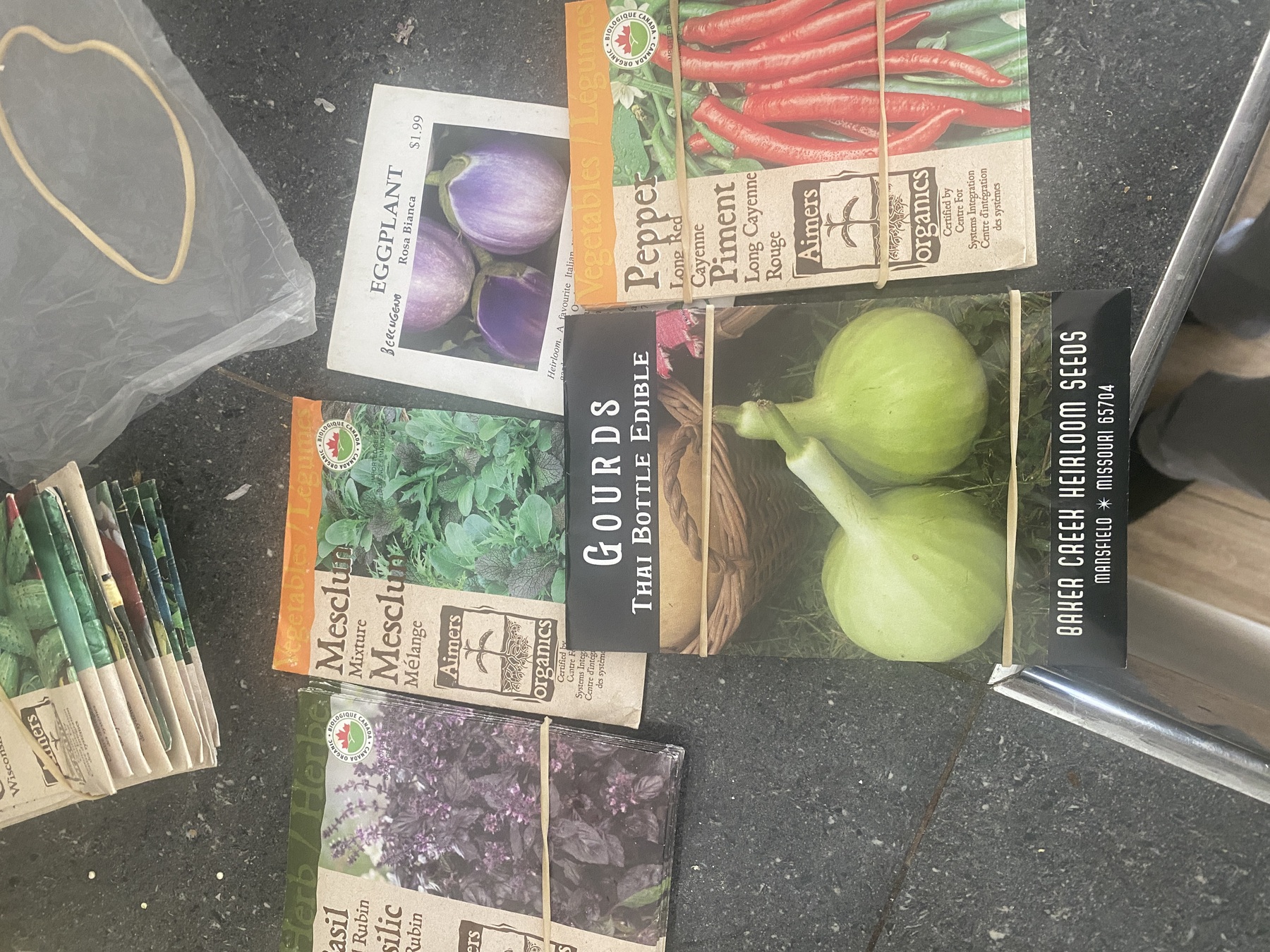
A tomato sauce with a little cayenne can sit beside cooked high-altitude Andean trout and vegetables. Keep it separate so each diner controls the heat. The photographed packet is Long Red Cayenne; it does not establish an exact heat level or a current harvest.
The featured ingredient, served on its own.
Illustrated serving concepts and an imagined Sacred Valley garden. These are not photographs of a named restaurant, a current harvest, or a tested recipe.
The packet gives the sauce a real pepper reference
The seed inventory records Long Red Cayenne in the photographed collection. That supports a slender red cayenne-type pepper as the visual reference. It does not justify replacing it with a round cherry pepper, claiming a particular harvest, or assigning a precise heat level to an unmeasured batch.
This page owns the table sauce decision: how much heat a guest wants with a meal. The pepper variety page can cover the wider collection. Cayenne can be a fresh pepper or a dried seasoning, so a kitchen should explain which form it actually uses in the sauce.
Cooked high-altitude Andean trout makes a complete, restrained dinner
Imagine cooked high-altitude Andean trout with native potatoes and tender vegetables. Put the cayenne and tomato sauce in a small bowl alongside rather than spreading it over the fish. A guest can try a little, add more, or leave it alone without losing the whole main course.
That is a proposed serving for a hotel kitchen preparing food for guests. It is not a confirmed restaurant dish, a current menu, or evidence of garden supply. Ask whether the sauce is tomato-based, fermented, or commercially bottled, since those versions can have very different flavor and handling needs.
A savory tomato base does not need added sweetener
A cooked tomato base can carry a modest amount of cayenne, with onion or garlic if the cook chooses. Aim for enough body to stay on a spoon without making the sauce thick and sticky. Added sugar, honey, and syrup are unnecessary to the proposed savory finish.
The tomatoes' own ripeness and the cooking method affect taste. A kitchen can adjust seasoning, but should not promise that every batch will taste the same. This is a fresh serving concept, not an invented bottled product or a tested canning recipe with measurements and processing times.
Chili heat varies between peppers and batches. Removing seeds may change texture, but the pale inner tissue that carries much of the capsaicin also matters. A label such as mild is a description of someone's taste, not a guarantee for a sensitive guest.
Offer a small amount separately and describe it honestly. If the whole sauce is too hot, the kitchen can make a fresh milder batch or increase the non-chili base, subject to the recipe. Adding sugar changes the flavor but does not remove capsaicin. There is no need to turn heat tolerance into a challenge.
Two vegetable courses can use the sauce in small amounts
For one vegetable serving, offer steamed zucchini with a spoonful of the tomato sauce alongside. The zucchini remains moist and visible, and a guest can choose the heat. Cooked runner bean pods are another possibility when they have first been prepared thoroughly by an appropriate bean method.
For a second serving, use roasted pumpkin wedges with a small separate bowl of sauce. The pumpkin's own sweetness can meet the chili without a sugary glaze. These are proposed combinations; the ingredients, bean safety method, and portion still belong to the kitchen's actual preparation.
Fresh sauce and a preserved bottle are different foods
A fresh tomato and cayenne sauce should be handled as perishable unless a validated preservation method establishes otherwise. Do not invent pantry storage from a spoonful of vinegar, a hot fill, or the fact that chilies taste strong. A sealed lid alone does not prove safe processing.
For a purchased sauce, follow its label after opening and check the ingredients for sweeteners or allergens that matter to you. For canning, use a research-tested recipe without casual changes to proportions. The image here shows a sauce served for a meal, not a shelf-stable bottle produced by the hotel.
A small sauce bowl is a practical courtesy. It lets one guest enjoy heat while another eats the same fish and vegetables with lemon or a milder dressing. Ask about the available alternative before the meal, especially when chili is already mixed into a marinade.
The SoulSearching Experience is a five-day Sacred Valley retreat for 8-15 participants, with no plant medicine. This serving can inform meal planning around a visit, but it does not establish included dining, dietary arrangements, a venue, or a current cayenne harvest.
A table within a longer stay
Food can give the days around Machu Picchu a welcome sense of place. If you would also like time for reflection, explore a Sacred Valley retreat before or after your visit. Florian Rolke offers The SoulSearching Experience, a five-day seminar for 8-15 participants, with no plant medicine.
Ask for the current dates, venue, price and inclusions before arranging the rest of your trip. These dishes, restaurant visits and garden visits are ideas to explore; they are not confirmed seminar inclusions.
Questions about this dish
Adapted from public cooking questions and published FAQs. Answer sources are linked below each response. Broader ingredient questions are included where they help with this serving.
Does the name chili sauce identify one specific product?
No. It can describe very different sauces. Ask whether the kitchen uses a fresh tomato sauce, a fermented hot sauce, or a purchased product before expecting a particular sweetness or heat.
Can chili powder replace fresh cayenne in a sauce?
It changes texture and may change flavor or ingredients, especially in a spice blend. Use a recipe intended for that form and identify the actual seasoning rather than retaining a fresh-cayenne claim.
A cook can make a milder batch or increase an appropriate non-chili base, subject to the recipe. Serving it separately also prevents one spicy sauce from deciding the whole dinner.
Can extra heat be added without any flavor change?
Not every pepper or extract behaves the same way. For this serving, a measured culinary chili addition and an honest description are more useful than a promise that only heat will change.
Chili sensation alone is not a food-safety test. Heat tolerance varies, so offer the sauce in a small separate portion and keep storage questions separate from how spicy it feels.
A suitable substitution can change heat and flavor, but it creates a different batch. Ask the kitchen what it used rather than assigning the cayenne packet name to another pepper.
No. The pale internal tissue is important to capsaicin content. Removing seeds may change texture but does not provide a guarantee that the remaining pepper or sauce is mild.
No. Do not rely on normal cooking to make a hot batch mild. Control the ingredient amount and serve the sauce separately, with a fresh milder option if needed.
Yes. The proposed version is savory, with a modest cayenne addition and no required sweetener. Offer it alongside so the guest can choose the sauce amount.
No. It changes flavor rather than removing the chili compound. This concept keeps the sauce savory and uses ingredient choice and portion to manage heat.
Is canned tomato sauce the same as a finished cayenne sauce?
No. A purchased tomato product may be a cooked base, but its label and the intended recipe determine use. Cayenne and other additions create a separate prepared sauce.
Should an opened commercial chili sauce be refrigerated?
Follow the particular product's label. Do not transfer its directions to a fresh hotel sauce or assume all products called chili sauce have identical storage needs.
Does fresh chili and garlic sauce keep indefinitely?
No. A fresh preparation needs appropriate cold handling and a reliable recipe. Garlic, tomato, and a little vinegar do not establish an unlimited shelf life.
Is bubbling in a stored sauce always harmless fermentation?
No. Do not assume an unexpected change is a safe controlled ferment. The pictured sauce is freshly prepared food, and an uncertain stored batch should not be served.
Can this tomato and cayenne concept be canned as written?
No. It is not a tested canning recipe. Use research-tested preservation directions and their specified proportions, processing, and altitude adjustments if making a shelf-stable product.
Can chilies and garlic in oil be stored like plain oil?
No. Ordinary mixtures of vegetables or herbs in oil require appropriate refrigeration or a validated acidification method. The oil's original pantry storage does not apply to the mixture.
Does dried sauce around a bottle neck prove the contents are safe?
No. Inspect the actual container and follow the manufacturer's directions. Packaging appearance alone cannot establish handling history or override a compromised seal.
Can drying a sauce into powder be improvised as preservation?
Do not assume dryness or a powder texture proves safe processing. Use a suitable validated preservation method. This page proposes a fresh table sauce instead.
No. Named commercial sauces can use other chili types. This proposed tomato sauce uses the photographed Long Red Cayenne as its reference, while the actual kitchen ingredient still needs confirmation.