Long green pods can bring a clean shape to a duck plate. Their scarlet flowers belong to the growing plant, while the food shown here is thoroughly cooked beans.
An illustrated serving concept in an Andean hotel setting.
Roast duck with thoroughly cooked runner beans
Tender cooked pods and fully cooked seeds are separate food forms, each needing suitable preparation. With tomato and herbs, they can make a substantial side for roast duck. Raw pods and dry uncooked beans do not belong on this plate.
Explore duck in the ingredient guide. Confirm the actual preparation and availability with the kitchen.
Scarlet Runner beans have two different culinary stages: young pods and mature shelled seeds. Both need proper cooking. Use thoroughly cooked tender pods beside roast duck; dried mature beans require their own soaking and boiling method.
The featured ingredient, served on its own.
Illustrated serving concepts and an imagined Sacred Valley garden. These are not photographs of a named restaurant, a current harvest, or a tested recipe.
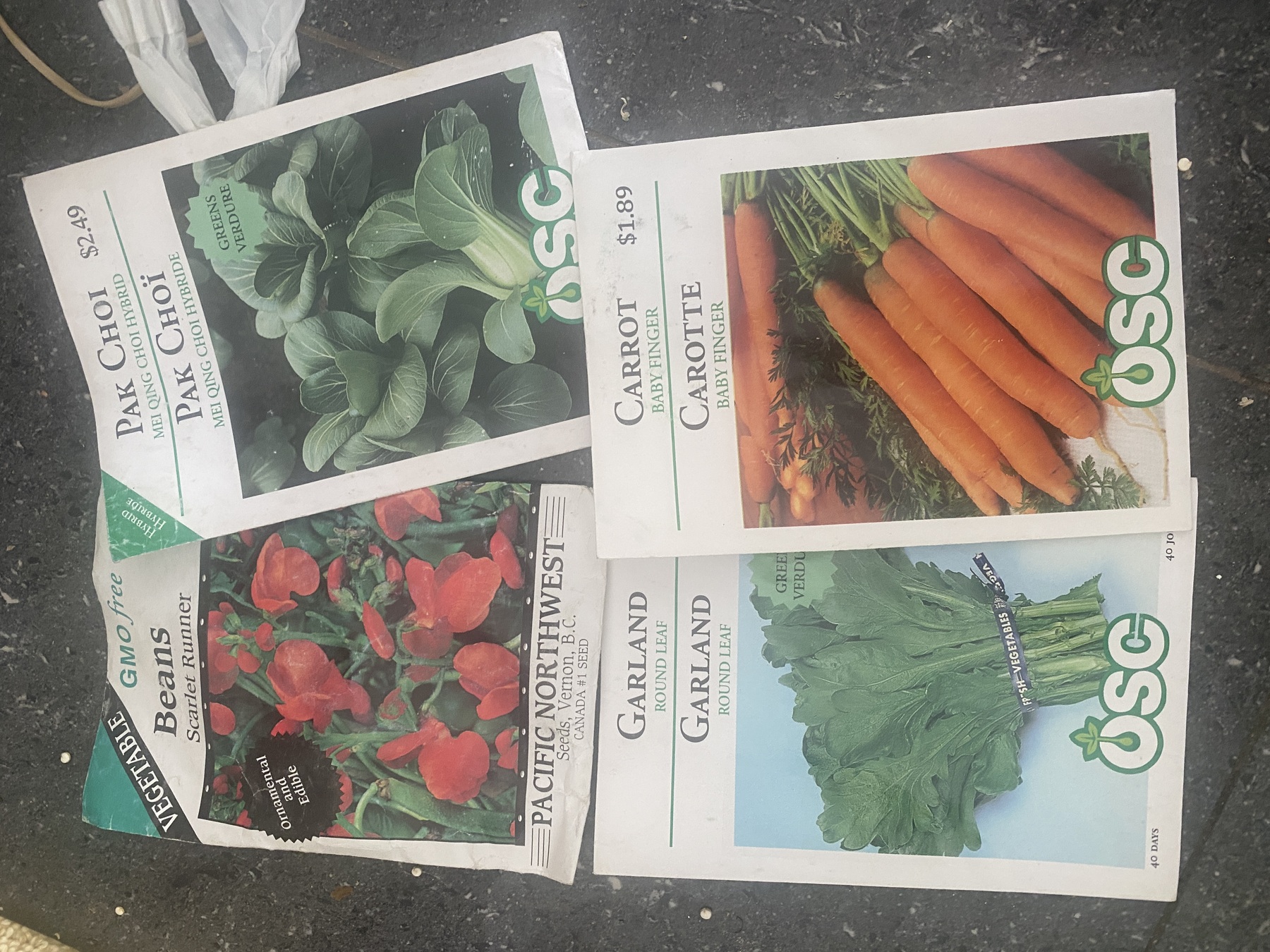
The packet names a runner bean with two harvest stages
Scarlet Runner is the bean recorded in the photographed collection. Runner beans climb, and their red flowers make the growing plant easy to recognize. The pods can be harvested young for a green vegetable, or allowed to mature so the seeds can be shelled. Those stages need different images and different kitchen instructions.
A plate of tender green pods is not a plate of dried beans. A mature seed may be large and mottled before cooking, while the young pod is long, flat, and green. Do not use a decorative pile of raw beans to stand in for an edible serving.
Cook the pods properly before they reach the plate
RHS lists raw Phaseolus pods and beans, including runner beans, as harmful if eaten raw. This guide therefore proposes thoroughly cooked pods. Trim the ends and remove strings when present, then cut the pods into pieces that a guest can eat comfortably with a fork.
The desired result is tender food, not a barely warmed garnish chosen only for its color. A kitchen should use a reliable runner bean method and check the serving throughout. A brief blanch intended for freezing is a different process from establishing a complete ready-to-eat preparation.
Serve the cooked pods beside roast duck with native potatoes. Keep the green beans in a modest group rather than building a high tangle over the meat. A little lemon can be offered separately, with any meat juices placed where the guest can choose how much to use.
This is a proposed hotel dinner for guests, subject to the kitchen's ingredients and methods. It does not establish that a local hotel grows Scarlet Runner or serves this combination. Ask for a description of the bean preparation, especially if a menu uses an unfamiliar local name for the vegetable.
Fully mature shelled beans can become a substantial cooked ingredient, but they must not be handled like young green pods. Dried beans require a reliable soaking and boiling method appropriate to the bean. A slow cooker alone is not a substitute for the required heat treatment.
Food safety guidance on dried beans emphasizes proper soaking and boiling before slow cooking. At Sacred Valley altitude, water boils at a lower temperature, so sea-level timing should not be guessed. A hotel kitchen should choose a validated method for its equipment and location rather than rely on an illustrated page for safety instructions.
One vegetable course can be cooked pod ribbons with tomato and a little garlic. Let the tomato provide moisture without reducing it to a thick sweet coating. The bean pieces should be tender enough to cut easily and short enough to stay on the fork.
A second serving can use properly cooked mature beans in a light vegetable broth with carrots. Here the beans become part of the body of the dish rather than a green accompaniment. Use only beans already cooked by the appropriate method, and keep the broth's ingredients clear for guests avoiding meat stock.
A dried seed packet is for sowing. It is not an ingredient container, and treated planting seed must never be used as food. Even an edible crop name does not turn its purchased planting seed into something to cook for guests. The proposed dish uses food-grown pods or beans from an appropriate source.
Cooked beans are perishable. They need prompt refrigeration and normal leftover handling, rather than a jar left at room temperature. Color, firmness, and a pleasant smell cannot verify food safety. If a guest asks about leftovers, the kitchen should answer from its actual handling record.
A careful ingredient choice fits a considered stay
The useful decision is straightforward: choose thoroughly cooked young pods for a vegetable accompaniment, or choose properly prepared mature beans for a more substantial dish. Avoid mixing their instructions. A garden image can explain the difference without suggesting that every stage is ready to taste.
The SoulSearching Experience is a five-day Sacred Valley retreat for 8-15 participants, with no plant medicine. These meal ideas can sit around that travel plan, but meals, a garden visit, and a particular hotel are not established inclusions. Confirm the available food service before relying on it.
Restaurant references
These published combinations offer useful comparisons. They do not establish that the restaurants use the photographed seed varieties or can prepare the illustration.
Muju, Rio Sagrado, a Belmond Hotel · Mix de frijoles peruanos
Beans, tomato, tree tomato, huacatay, chincho, cilantro.
Unspecified (unknown; cooked beans plausible but not stated) Confirm cooked preparation and oil. Full recipe, preparation fat, garnishes and restaurant substitutions are unverified.
On the Urubamba-Ollantaytambo road, the official dining page names Muju. Its linked lunch and dinner menus are references to check with the restaurant. The older El Huerto menu dates from April 2025. These menu references are separate from the pictured serving concept.
Food can give the days around Machu Picchu a welcome sense of place. If you would also like time for reflection, explore a Sacred Valley retreat before or after your visit. Florian Rolke offers The SoulSearching Experience, a five-day seminar for 8-15 participants, with no plant medicine.
Ask for the current dates, venue, price and inclusions before arranging the rest of your trip. These dishes, restaurant visits and garden visits are ideas to explore; they are not confirmed seminar inclusions.
Questions about this dish
Adapted from public cooking questions and published FAQs. Answer sources are linked below each response. Broader ingredient questions are included where they help with this serving.
Do fresh shelled runner beans need the same soaking as dried beans?
Fresh and dried beans are different forms. Use a reliable method for the actual beans, and cook them properly. This page does not assign dried-bean soaking instructions to young pods.
Can Scarlet Runner beans be kept until the seeds mature?
Yes. Runner beans can provide young pods or mature shelled beans. Drying and storing mature beans is a separate process from preparing tender pods for dinner; use an appropriate food-storage method.
Are string beans and runner beans exactly the same thing?
Common names vary. Runner beans are a particular bean type, and the Scarlet Runner packet should remain identified. Pod tenderness and preparation matter more than assuming all green beans are identical.
Remove the ends and any tough strings present, then cut the pods into comfortable pieces. Trimming does not make them ready to eat: they still need proper cooking.
Should the pods be left nearly raw to keep a crisp bite?
No. Raw runner bean pods are harmful. Use a reliable method that cooks them thoroughly, then judge the eating texture within that requirement rather than prioritizing a raw crunch.
They need a reliable dried-bean method and enough cooking to become tender after the required heat treatment. Do not serve hard beans or transfer a brief green-pod method to mature seeds.
Can seasoning replace the required cooking of dried beans?
No. Salt and spices are flavor choices. Dried beans still need the appropriate soaking and boiling process, and a slow cooker alone should not replace the required initial heat treatment.
Splitting is a texture issue, not a complete safety test. Safe preparation depends on the proper method and handling. Use a suitable batch for the intended whole-bean presentation.
Can mature dried beans go straight into a slow cooker?
Follow reliable dried-bean guidance that includes soaking and boiling before slow cooking. Do not assume a low-temperature appliance alone supplies the required treatment, especially without considering local altitude.
Does soaking a raw pod in brine make it safe to eat?
No. Brine is not a substitute for cooking runner beans. This serving uses thoroughly cooked pods and does not recommend raw fermented or brined sampling.
Is blanching for freezing the same as cooking for dinner?
No. Blanching is a preservation preparation with tested times for particular vegetables. A ready-to-eat runner bean dish needs its own appropriate complete cooking method.
Can an al dente preference override runner bean cooking guidance?
No. The kitchen should produce a pleasant texture within a proper cooking method. A barely heated pod chosen for color is not the serving proposed here.
Can cooking change the weight of the bean serving?
Yes, water gain or loss can affect a prepared portion. This page does not infer raw weights or nutrition values from a photographed mound of cooked beans.
Will bean colors always look the same after cooking?
No. Raw seed or pod color may change with cooking. Do not paint the serving to match a dry seed packet when the properly cooked bean has a different appearance.
How can the cooked pods be seasoned without a heavy sauce?
A little lemon, tomato, or chopped culinary herb can finish a properly cooked serving. Seasoning is added around the safe bean method, not used in place of it.
Are canned beans automatically safe because the lid is sealed?
A sealed lid is not enough to verify a home-canning process. Beans need an appropriate research-tested preservation method. The dinner shown here is freshly prepared, not an improvised canned product.
No. Safe preservation depends on the method and process followed. Do not use a seemingly intact jar as proof when its handling or processing is unknown.
Do commercially canned beans need the same cooking as dry beans?
They are different products. Follow the intact commercial container's directions, while dry mature beans require their own preparation. Never use planting seed as a food substitute.
Can different batches of dried beans behave differently?
Yes, age and storage can affect cooking performance. Use a reliable method and check the cooked result; do not promise one untested time for every bean batch or altitude.