A baked onion half keeps its curved layers and becomes easy to cut. Give it a visible place beside alpaca instead of hiding every allium in a sauce.
An illustrated serving concept in an Andean hotel setting.
Alpaca with baked Tropea onions and pumpkin puree
Tender red-onion layers deserve more than a scatter over the meat. Bake them until easy to cut, then serve beside alpaca and a modest spoon of pumpkin puree. No added sugar is needed for this proposal.
Explore alpaca in the ingredient guide. Confirm the actual preparation and availability with the kitchen.
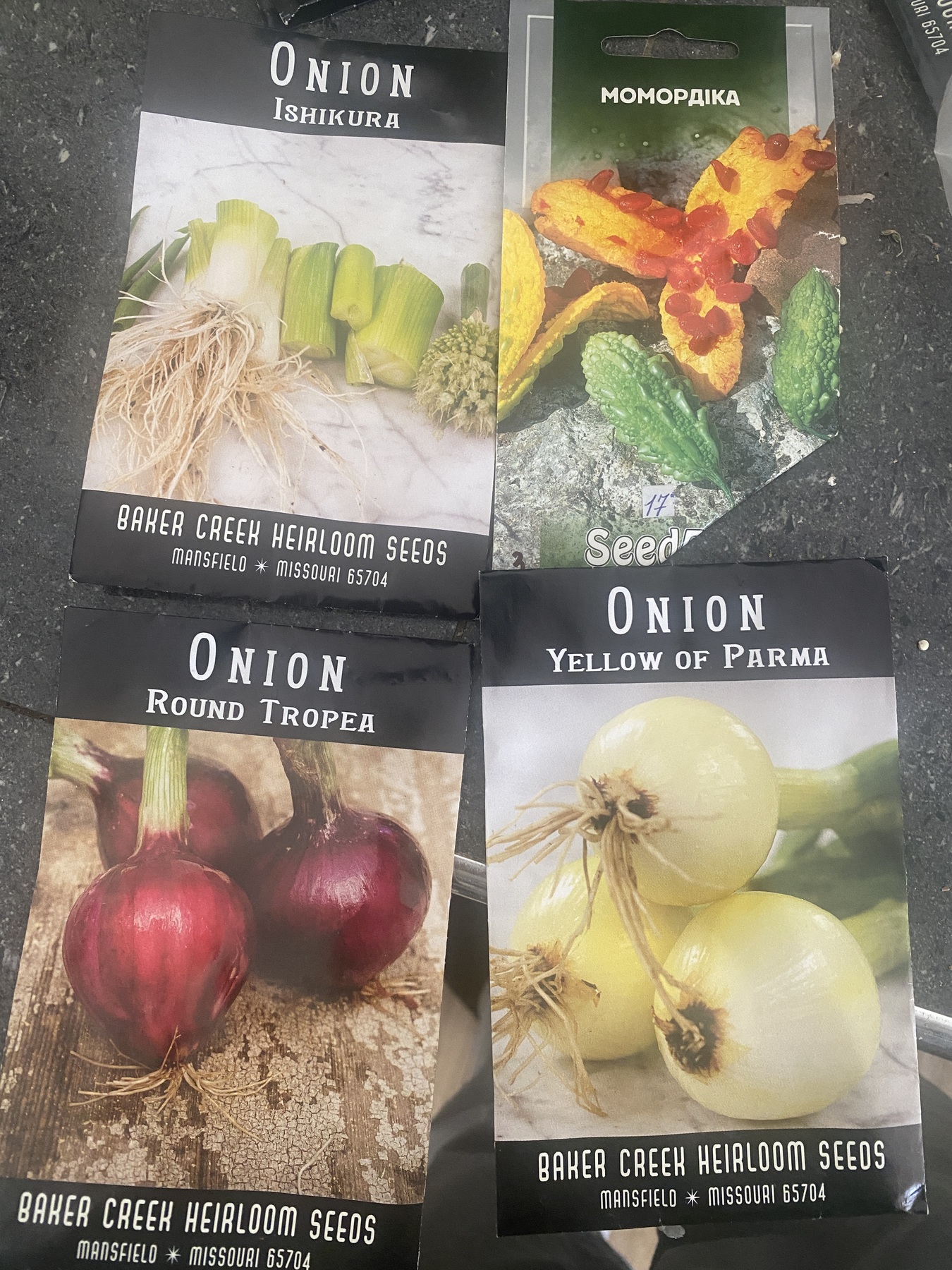
Round Tropea suits a soft baked onion accompaniment to cooked alpaca. Yellow of Parma offers a golden bulb for a savory pumpkin plate, while Ishikura is a bunching onion whose long stems suit broth rather than a baked bulb.
The featured ingredient, served on its own.
Illustrated serving concepts and an imagined Sacred Valley garden. These are not photographs of a named restaurant, a current harvest, or a tested recipe.
Three onion packets describe three useful ingredients
The collection names Round Tropea, Yellow of Parma, and Ishikura. Round Tropea is the purple-skinned bulb chosen for this baked serving. Yellow of Parma has a golden outer skin and a rounded to oblong bulb. Their peeled interiors should look like onion layers, not like solid pieces of colored root.
Ishikura is a different kind of allium presentation. The supplier describes a bunching onion with long scallion-like shanks that does not form a bulb. Do not turn it into a pearl onion in a picture or recipe. Its stems offer another way to bring onion flavor to the table.
A halved or quartered bulb can be cooked in a covered dish with a little broth. The layered cut face makes the vegetable recognizable. Check the thick middle for tenderness before serving, and remove papery skin that would otherwise be awkward to eat.
The aim here is a savory baked vegetable. There is no need for honey or an onion marmalade glaze. Onions contain naturally occurring sugars, and cooking changes both their texture and flavor. A soft baked half is also distinct from a pan of deeply browned chopped onions. Ask which version the kitchen intends.
Place the baked onion beside cooked alpaca and a modest serving of native potatoes. The onion can provide moisture and a gentle aromatic note while the potatoes supply another texture. Keep the meat sauce separate if its richness would cover the vegetable.
A kitchen can adjust the size of the onion serving to the main course. An oversized whole bulb may be less comfortable to cut than a tender half with a little cooking liquid. This is a proposed hotel dinner prepared for guests, not a confirmed menu item or evidence that a particular restaurant uses Round Tropea.
Yellow of Parma belongs with a savory pumpkin puree
For a vegetable course, serve tender Yellow of Parma wedges over a small spoonful of pumpkin puree. Golden skin is a variety clue before peeling; the cooked flesh should remain a plausible pale onion color. Avoid a sugary glaze that would make the plate read as a sweet accompaniment.
That arrangement also makes the amount of puree easy to judge. A cook can keep some pumpkin pieces intact if a guest prefers less soft food. The paired ingredients are a serving proposal. The exact variety, harvest source, and preparation need confirmation wherever the meal is ordered.
A second vegetable serving uses Ishikura stems in a clear broth with mushrooms or cooked greens. Slice the white shanks and tender green parts into pieces that fit a spoon. The long bunching form belongs in the garden study, while the soup should show a practical eating cut.
Wash between the leaves where grit can collect. The broth can be made with vegetables, but the menu should say so if that distinction matters to a guest. An onion ingredient does not make the whole dish vegetarian; meat stock, fish sauce, or other additions still need to be checked.
A raw onion garnish answers a different preference
A little thinly cut raw onion gives a sharper, crisper accent than a baked half. If the pungency is unwelcome, ask for it separately or choose the cooked version. A rinse can change the experience of a raw garnish, but it does not turn an onion into an allergen-free ingredient.
Whole dry bulbs and cut onion have different storage needs. Keep the kitchen's cold handling clear once an onion is peeled or cut, and use a clean utensil for prepared food. A colorful seed packet is no basis for claiming that a particular meal is chemical-free or certified organic.
Keep the ingredient story separate from the retreat offer
At a Sacred Valley hotel, a useful conversation starts with the plate: what onion is available, is it baked or raw, and what accompanies the alpaca? Those details are easier to assess than a sweeping promise about farm-to-table dining.
The SoulSearching Experience is a five-day retreat in the Sacred Valley for 8-15 participants, with no plant medicine. These onion ideas suggest meals around a stay. They do not establish the retreat venue, included meals, a garden visit, or a supplier relationship.
Restaurant references
These published combinations offer useful comparisons. They do not establish that the restaurants use the photographed seed varieties or can prepare the illustration.
UCHU Peruvian Steakhouse · Alpaca tenderloin
Alpaca tenderloin (220 g); one chosen side; included salad of organic lettuce, tomato, grilled onion, bell pepper, avocado, house dressing.
Cooked at the table explicitly. Do not equate this with an explicitly specified grill or appliance. Confirm cooking method/oil; choose published mash side only after verifying recipe; dressing sugar. Full recipe, preparation fat, garnishes and restaurant substitutions are unverified.
Cusco; undated; observed 2026-10-12. A menu reference, separate from the pictured serving concept.
Listed as soup; the cooking method is not stated. The printed menu marks gluten-containing cereals and soy; ask which recipe components or cross-contact the symbols describe. Confirm stock/fat and no added sugar. Full recipe, preparation fat, garnishes and restaurant substitutions are unverified.
On the Urubamba-Ollantaytambo road, the official dining page names Muju. Its linked lunch and dinner menus are references to check with the restaurant. The older El Huerto menu dates from April 2025. These menu references are separate from the pictured serving concept.
These additional meals keep the photographed varieties distinct. The kitchen prepares the food; the images suggest combinations to discuss, rather than a tested menu.
Roast cuy with baked Yellow of Parma onion
Illustrated complete meal: Roast cuy with baked Yellow of Parma onion
Ingredient serving: Yellow of Parma, Ishikura
Yellow of Parma can become a pale, tender onion half with visible concentric rings after baking. Its golden outer skin explains the original bulb, while a softened Ishikura scallion provides a different long form beside it. With roast cuy, those two cuts can make the onion portion feel considered rather than incidental. Keep any deeply browned edges restrained so the onion remains a soft vegetable accompaniment.
A complete serving could bring together carved roast cuy and cooked white quinoa, leaving the featured vegetable or fruit enough room to remain recognizable. A few steamed skin-on native-potato halves could complete the warm plate, with the flesh visible at the cut. Offer a little huacatay leaf sauce separately, leaving the vegetable and meat easy to taste on their own.
A proposed serving, with preparation and supply to be confirmed by the kitchen.
Food can give the days around Machu Picchu a welcome sense of place. If you would also like time for reflection, explore a Sacred Valley retreat before or after your visit. Florian Rolke offers The SoulSearching Experience, a five-day seminar for 8-15 participants, with no plant medicine.
Ask for the current dates, venue, price and inclusions before arranging the rest of your trip. These dishes, restaurant visits and garden visits are ideas to explore; they are not confirmed seminar inclusions.
Questions about this dish
Adapted from public cooking questions and published FAQs. Answer sources are linked below each response. Broader ingredient questions are included where they help with this serving.
Do onions already contain sugar before cooking?
Yes. Their natural sugars are part of why cooked onions can taste sweet. The proposed baked onion does not need a honey or syrup glaze.
Sound, properly handled onion can be served raw. It is a sharper choice than the soft baked half, so offer the raw garnish separately if a guest prefers a milder meal.
It can contribute onion flavor, but the texture and shape differ. A Round Tropea bulb does not give the same long tender stem as Ishikura, and the serving should acknowledge the change.
Ask for the onion separately or choose a cooked onion accompaniment. Thin cutting and rinsing can affect raw pungency, but they do not make onion suitable for someone allergic to it.
Salt, dressing, and time can draw liquid into the bowl. For a crisper garnish, the kitchen can prepare and dress it close to service rather than expect a held salad to stay unchanged.
Remove the papery skin and any damaged material before the edible serving. A baked half should be comfortable to cut and eat, without a tough wrapper left for decoration.
Does a baked onion need the same cuts as a diced onion?
No. A diced base for sauce and a visible baked half have different purposes. Choose the cut for the final serving and check tenderness through the thickest portion.
The preparation determines how much of the base is useful. Trim tough or damaged material and keep a baked wedge easy to eat; there is no reason to retain an awkward piece for appearance.
Refrigerate cut onion promptly in a suitable covered container and follow reliable storage guidance. Do not give a peeled or chopped onion the same conditions as an intact dry storage bulb.
Do whole dry onions and scallions store the same way?
No. Dry storage bulbs and fresh green onions have different moisture and storage needs. Follow guidance for the actual onion form, rather than treating Ishikura as a cured bulb.
Dried onion can season a recipe, but it does not reproduce the layers or moisture of a baked bulb. Use a recipe conversion for flavoring and choose a different vegetable if a whole accompaniment is unavailable.
No. A broad market name may describe size or local usage. Round Tropea, Yellow of Parma, and Ishikura are the named packet choices here; a restaurant's actual variety needs confirmation.
Can onion sweetness be replaced without using onion?
A replacement changes both aroma and texture. Ask the cook to build another accompaniment rather than assume sugar alone reproduces a baked onion. An allergy requires an ingredient and cross-contact discussion.
What should someone with an onion allergy ask the kitchen?
Ask for an onion-free preparation and an explanation of stock, sauce, and cross-contact. A smaller portion, a rinse, or cooking is not an adequate allergy substitution.
The cook can adjust the batch or serve the sauce separately. For this dinner, a visible baked half gives a clearer choice than onion already mixed through every component.
How can an onion puree be kept from dominating the plate?
Treat puree as a small accompaniment and judge its liquid and texture during preparation. The main baked-onion version deliberately retains layers instead of turning all the onion into sauce.
What does a hollow or unusual onion center tell the diner?
It is a reason to inspect the bulb, not a basis for diagnosing safety from a picture. The kitchen should select sound onions and discard spoiled material before cooking.