A pale chicory head can hold its shape in a gentle braise. Its mild bitter edge gives roast duck a useful companion.
An illustrated serving concept in an Andean hotel setting.
Roast duck with braised witloof
The softened leaves of a braised witloof head offer a distinct companion to duck. A little savory broth keeps the vegetable moist. White beans can sit alongside without turning the serving into a sweet glazed course.
Explore duck in the ingredient guide. Confirm the actual preparation and availability with the kitchen.
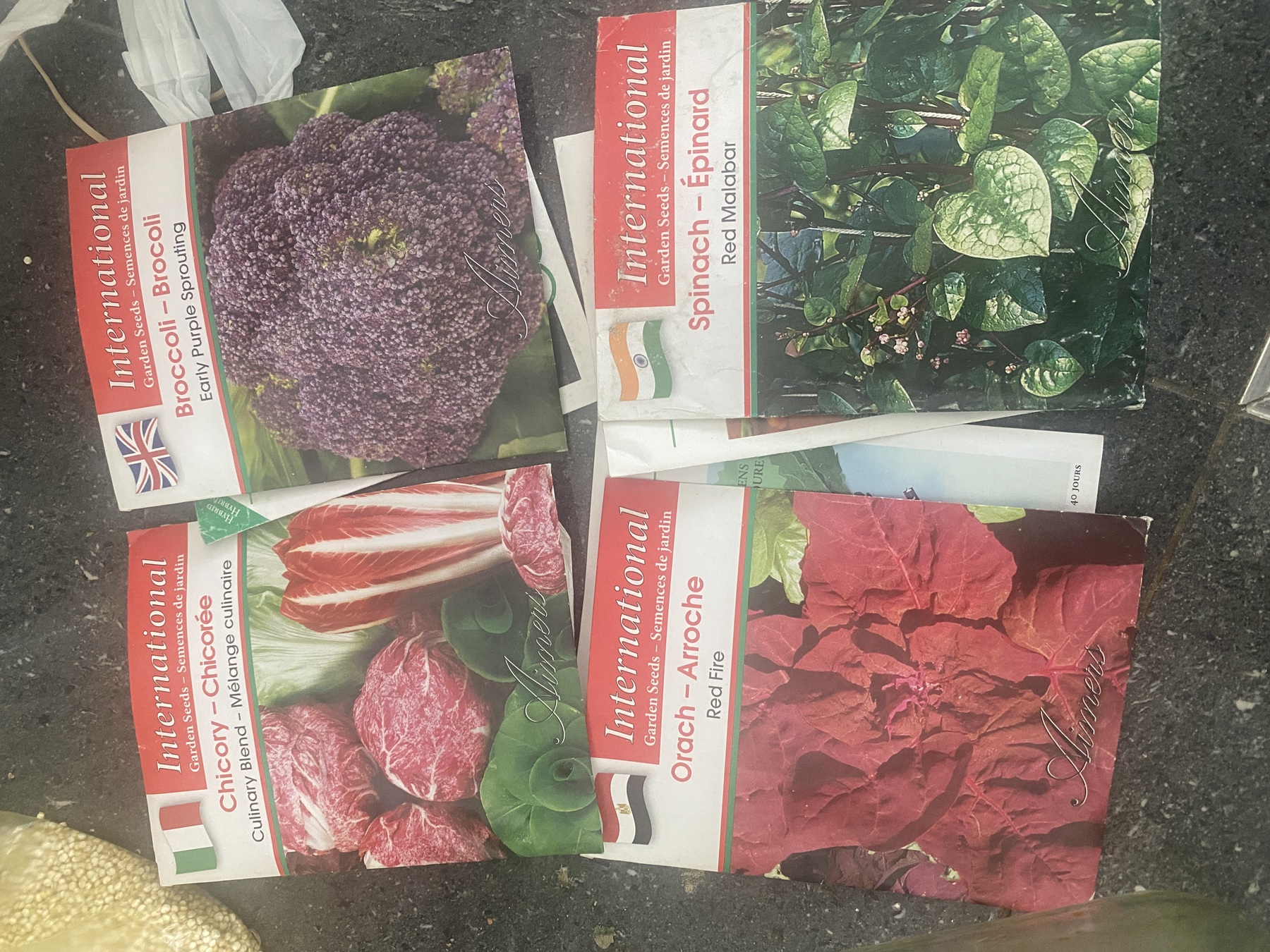
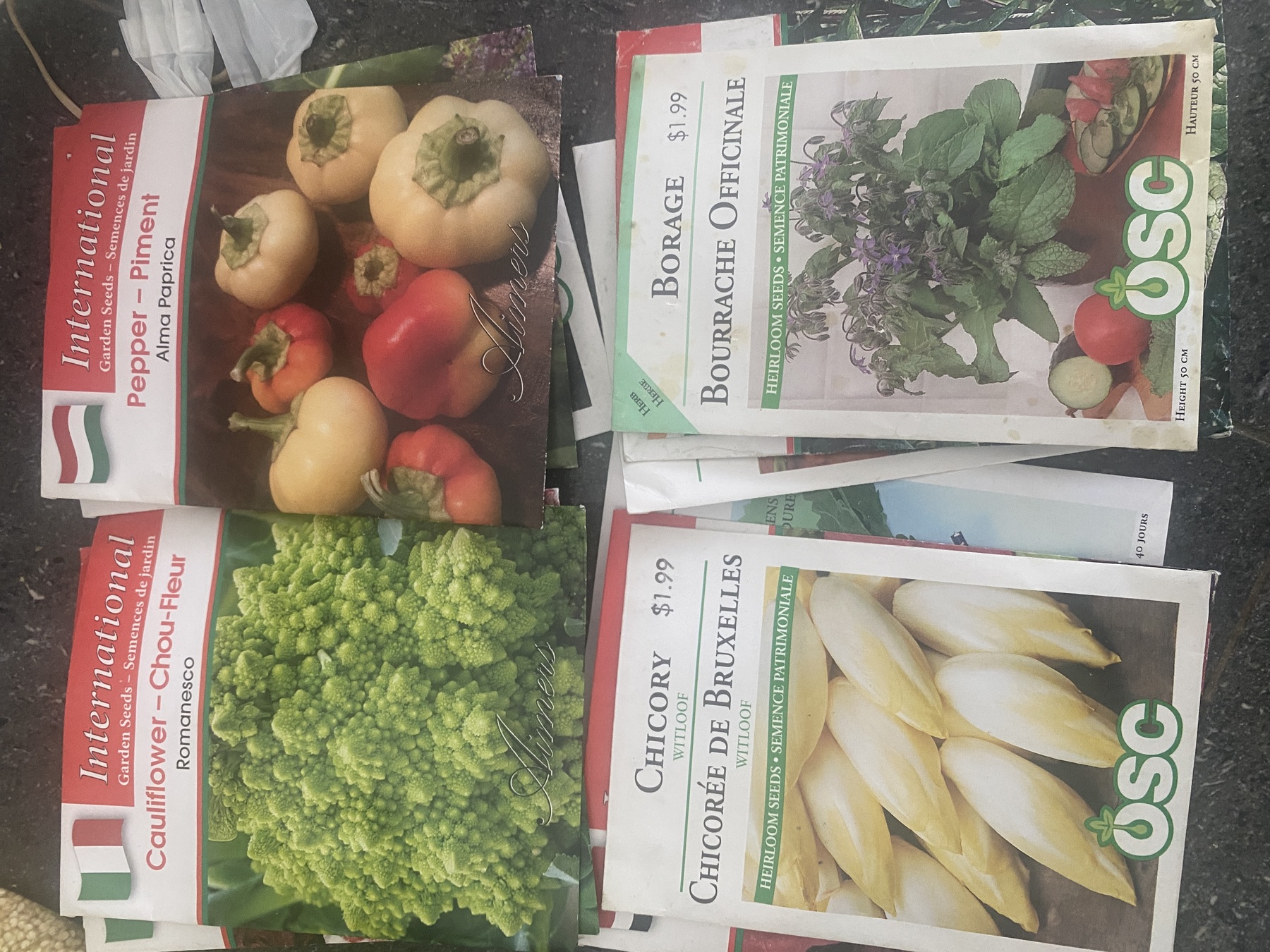
Witloof produces pale heads when mature roots are forced without light. Braise those heads gently in savory stock and serve beside roast duck. The separate Culinary Blend packet belongs to a leaf comparison; its unspecified components should not be invented.
The featured ingredient, served on its own.
Illustrated serving concepts and an imagined Sacred Valley garden. These are not photographs of a named restaurant, a current harvest, or a tested recipe.
Witloof and Culinary Blend make different promises
Two photographed packets sit behind this guide: Witloof and Culinary Blend. Witloof points toward the pale compact heads also sold as Belgian endive. Culinary Blend suggests a mixture for edible leaves, but the photographed wording does not identify every component. Do not silently turn that blend into a list of named chicories.
Common names add another complication. Endive, chicory, radicchio, and escarole are related terms that are used differently across countries. When ordering, describe the actual form you want: a pale, tight witloof head for braising, or a serving of leafy culinary chicory.
Witloof is not simply a white lettuce that forms outdoors. The roots first develop with green foliage, then selected roots are placed in dark forcing conditions to produce pale heads. That extra stage explains both the appearance and the particular production work behind the vegetable.
An imagined garden view should show the field stage honestly. It should not place ready to eat pale chicons above open soil in full sunshine. A packet establishes neither a local forcing facility nor a supply of finished heads, so any Sacred Valley meal would depend on actual availability.
Halve a sound head lengthwise and trim the base as needed. Leave enough attachment to hold the leaves together if you want a neat half on the plate. A covered braise with a modest amount of savory stock can soften the dense center.
This original concept leaves out the sugar sometimes used in chicory recipes. A diner who dislikes bitterness can request a smaller serving or choose a milder vegetable. Cooking changes the texture and flavor, but it does not guarantee that every head will taste sweet. Lemon on the side allows a different kind of balance.
A complete dinner places a tender braised chicory half beside roast duck and a small baked potato. Keep the cooking liquid shallow so the leaves stay visible. Chopped parsley can finish the plate without hiding the shape that distinguishes witloof from a mixed green salad.
This is a serving proposal for an Andean hotel dining room. It is not a confirmed dish from a named restaurant, nor a promise that imported or locally forced chicory will be available. Ask the kitchen what it has and whether a plain savory braise is possible before building dinner around it.
Use the leaf blend in a different course
For culinary leaf chicory, a bowl with properly cooked white beans makes more sense than pretending every leaf is a miniature witloof head. Cook the identified edible leaves to a tenderness that suits them and let the beans carry some of the serving's softness.
The blend's unspecified contents still need to be identified at harvest. That matters for appearance, flavor, and growing behavior. A recipe that calls for escarole or another named green is a guide to that ingredient, not automatic proof that every seed in an unlisted blend will behave the same way.
People differ in how much bitter flavor they enjoy. Some like a crisp raw chicory leaf; others find it much more agreeable cooked. Offering sauce separately, keeping the portion modest, and pairing the vegetable with a plain potato or beans are practical choices.
Keep finished witloof heads away from light during storage, since light encourages greening. Follow the supplier's handling guidance and ordinary produce hygiene rather than skipping washing solely to avoid bitterness. No salad dressing or broth can make a spoiled head suitable for serving, and color alone is not a complete condition check.
Chicory is a specific request, so it helps to have a second choice. Red cabbage, chard, or another sound cooked vegetable may be a better answer on the day. A satisfying dinner depends on the actual ingredient and preparation more than on following a pictured plate exactly.
If your Sacred Valley visit includes the five day SoulSearching Experience, consider this a dining idea around the trip. It does not confirm retreat catering, a hotel venue, or a garden tour. Confirm those arrangements separately and let the kitchen describe the food it can genuinely provide.
More named varieties, served differently
These additional meals keep the photographed varieties distinct. The kitchen prepares the food; the images suggest combinations to discuss, rather than a tested menu.
Roast cuy with Culinary Blend chicory and mesclun
Illustrated complete meal: Roast cuy with Culinary Blend chicory and mesclun
Ingredient serving: Culinary Blend, Mixture
A Culinary Blend chicory serving can include red-and-white leaves alongside green mesclun, but a mixture does not promise the same leaves in every batch. Assemble a small separate salad from the actual food-ready greens available. Beside cuy, the leafy plate can remain crisp while the grain stays warm. Leave the assortment loose enough to recognize individual leaves instead of disguising the blend beneath dressing or a crowded garnish.
Keep carved roast cuy in a modest portion, with cooked black quinoa served where its texture remains easy to enjoy. Keep sauces modest and separate so each guest can choose how much moisture to add without covering the main ingredient.
A proposed serving, with preparation and supply to be confirmed by the kitchen.
Food can give the days around Machu Picchu a welcome sense of place. If you would also like time for reflection, explore a Sacred Valley retreat before or after your visit. Florian Rolke offers The SoulSearching Experience, a five-day seminar for 8-15 participants, with no plant medicine.
Ask for the current dates, venue, price and inclusions before arranging the rest of your trip. These dishes, restaurant visits and garden visits are ideas to explore; they are not confirmed seminar inclusions.
Questions about this dish
Adapted from public cooking questions and published FAQs. Answer sources are linked below each response. Broader ingredient questions are included where they help with this serving.
How should witloof heads be stored?
Keep them cool and protected from light. Follow the supplier's packaging guidance and use sound heads before their texture deteriorates.
Light encourages chlorophyll formation in the leaves. This is why witloof is forced and kept away from light; an outdoor growing plant is naturally green.
The producer identifies Hauts-de-France as its growing region. That is evidence about its own product, not the origin of a vegetable served in the Sacred Valley.
Does Perle du Nord describe pesticide use in endive production?
Yes. Its FAQ describes plant protection during root production and says no such products are applied during the forcing stage. This does not certify another grower's crop or establish a hotel supplier.
How can a producer offer witloof throughout the year?
The producer describes modern cultivation and early and late varieties extending production. That does not establish year round availability in Peru or at a particular restaurant.
Witloof involves root growing followed by a separate forcing stage that develops the pale head. The producer's process is not evidence of an existing Sacred Valley forcing operation.
Does Perle du Nord offer certified organic endives?
Its FAQ says it has certified organic producers. That claim applies to its identified product; it does not establish certification for these seed packets or for a restaurant dish.
Greening after light exposure is not itself the same as spoilage. Assess the actual head for decay and handling history; greening is not a blanket safety guarantee.
Why can some endive bags be sold without a stated weight?
The producer explains that some of its French packs are sold by count rather than weight. A recipe requiring a weight still needs the actual prepared vegetable weighed.
Why do some Perle du Nord bags lack an expiration date?
The producer describes its fresh produce labeling and traceability system. Do not use the absence of a date as proof that a stored head remains suitable to eat.
Packaging helps protect delicate heads during handling and limits light exposure. It does not replace correct storage or establish how another producer handles its crop.
Choose tender identified leaves, try a cooked preparation, and pair with plain beans or potato. A bitter edge may remain; use a smaller serving if that suits you better.
Can leaf chicory and radicchio be grown from seed?
Yes, but distinguish the actual cultivar and whether the aim is leaf harvest or a forced head. The unspecified Culinary Blend should not be expanded into named components without evidence.
Identify the endive type and follow supplier guidance for that crop. Germination and leaf growing do not automatically produce a pale forced witloof head.
For a pale witloof head, try a gentle savory braise. For identified leaf chicory, a small serving with cooked white beans is a different and useful starting point.
What might Italian chicory greens be called in the United States?
Names vary, and an Italian greens dish cannot be identified from the word chicory alone. Escarole and other chicories are possibilities, so compare the actual leaf and ask which ingredient was used.
Try a modest serving of the identified edible leaves beside plain cooked beans or potato. If you dislike the bitterness, selecting a milder green is reasonable; sugar is not required to force the dish to work.
Why do some diners enjoy witloof despite its bitterness?
Taste preferences and familiarity differ. Raw and braised witloof offer different textures, and someone who enjoys one preparation may dislike the other.