A crisp leaf needs little decoration. Cucumber and a light herb dressing can be enough beside a piece of cooked high-altitude Andean trout.
An illustrated serving concept in an Andean hotel setting.
Baked high-altitude Andean trout with a crisp lettuce side
Keep the cooked fish and cool leaves distinct. Cos gives the salad structure, while loose-leaf lettuce offers another texture. A small bowl of unsweetened herb dressing lets the leaves remain crisp until the meal begins.
Explore High-altitude Andean trout in the ingredient guide. Confirm the actual preparation and availability with the kitchen.
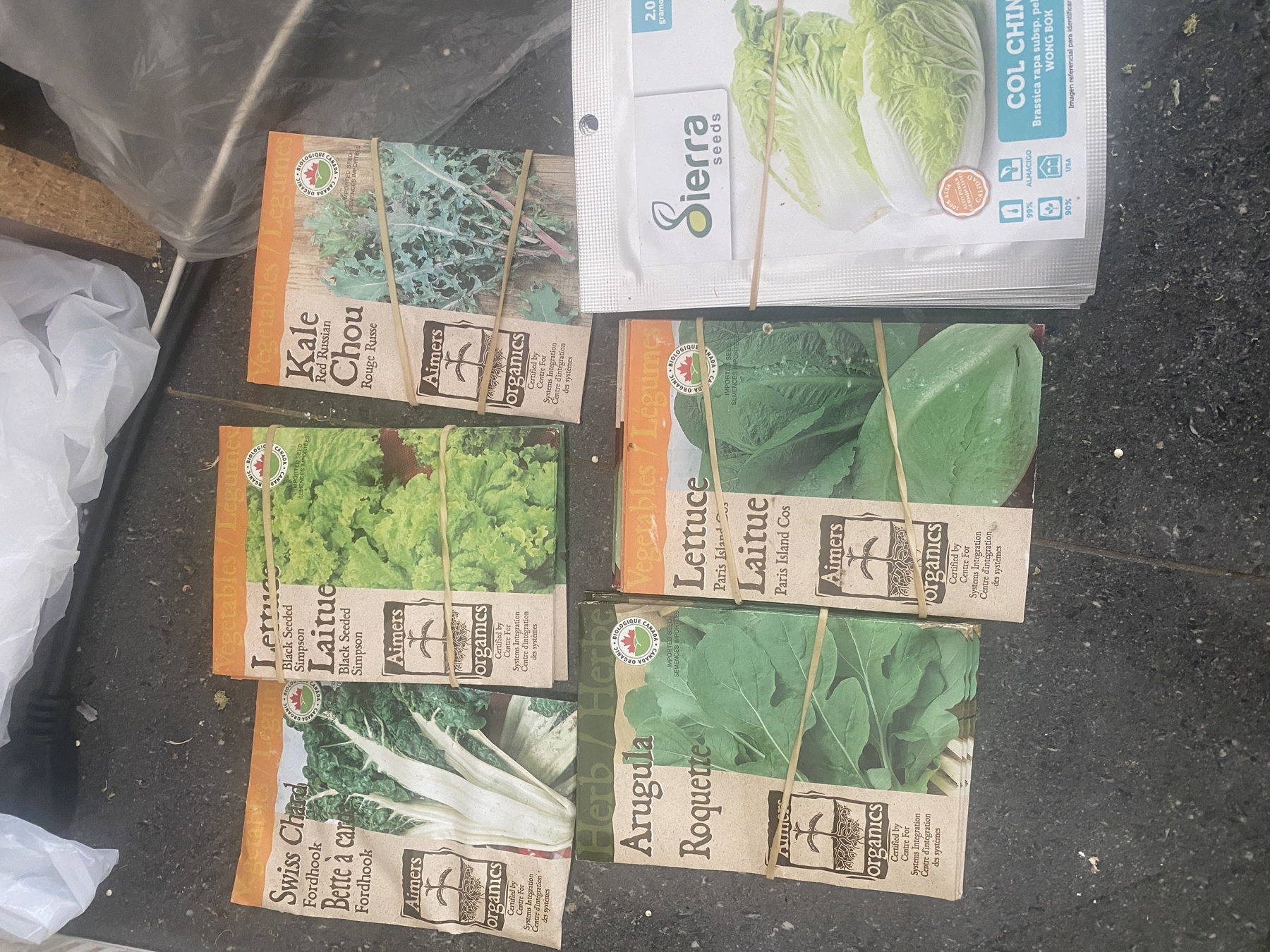
Paris Island Cos offers upright romaine type leaves; Black Seeded Simpson is a loose leaf lettuce. Wash and dry the leaves carefully, dress shortly before serving, and keep hot high-altitude Andean trout on a separate part of the plate so the salad stays crisp.
The featured ingredient, served on its own.
Illustrated serving concepts and an imagined Sacred Valley garden. These are not photographs of a named restaurant, a current harvest, or a tested recipe.
Choose the leaf structure you want
The collection's Paris Island Cos packet belongs to the upright romaine type of lettuce, with substantial ribs and elongated leaves. Black Seeded Simpson is a loose leaf type with a softer, more open form. The two can make different salads even with the same cucumber and herbs.
For a clearly structured serving beside high-altitude Andean trout, cos leaves make the better visual starting point. For a softer bowl, use Simpson leaves torn into comfortable pieces. Neither packet establishes the variety served by a restaurant. Ask about the actual lettuce rather than assuming a familiar leaf proves a cultivar.
Separate leaves and rinse them with safe running water, paying attention to ribs and folds. Remove damaged outer material. Soap and detergent do not belong on produce. Follow the instructions on a ready to eat packaged salad rather than applying one washing routine to every product.
Drying is a second, separate task. Water left on the leaf dilutes the dressing and collects at the bottom of the bowl. A clean salad spinner or gentle blotting can help. Neither drying nor a splash of vinegar is a guarantee against contamination, so sound sourcing and safe handling still matter.
A light dressing of plain unsweetened yogurt, herbs, and lemon can be served in a small bowl. If dairy is unsuitable, ask for a simple lemon and herb alternative. A creamy name on a menu does not tell you whether a sauce contains sweetener, mustard, or another ingredient you avoid.
Dress only shortly before the salad is eaten. The leaves should remain light enough to lift separately, with cucumber offering another kind of crunch. A few herbs are sufficient; a long list of toppings can obscure the reason for choosing a particular lettuce in the first place.
Give cooked high-altitude Andean trout its own place
A complete meal concept sets baked or poached high-altitude Andean trout beside the salad, with a small serving of quinoa. Keep the hot fish from sitting directly on the lettuce. That preserves the contrast between a warm main course and a fresh, cool vegetable serving.
This is an original restaurant style composition for a calm Andean hotel dinner. It does not identify a current high-altitude Andean trout supplier or guarantee a hotel's handling practices. Ask about the fish method and the raw produce preparation if those affect your choice. A cooked vegetable side is a reasonable alternative when a salad is not what you want.
Lettuce does not have to appear only as a cold salad. A cos wedge can be gently warmed in a small amount of vegetable broth, keeping its rib visible and its leaves folded together. Serve beside white beans or as a small separate vegetable course.
The result is intentionally softer, so it should not be presented as a failed attempt at a crisp salad. A loose leaf lettuce will collapse differently from a cos wedge. This is a conceptual alternative, not a measured recipe, and it does not justify using leaves that are slimy, spoiled, or otherwise unsuitable for food.
Lettuce eventually makes a flowering stalk. Heat and other growing conditions can encourage that shift, and leaves may become more bitter as the plant matures. An upright cos head should not be confused with the much taller flowering stage.
Harvest timing and variety choice affect the eating experience, but no packet can promise sweet leaves in every place and season. A Sacred Valley grower would need to observe local temperatures, water, and planting dates. The garden study illustrates plant form only; it is not a claim that salad greens are currently harvested for guests.
When traveling, you can simply ask what raw salads and cooked vegetables are available and choose what suits you. There is no need to turn a meal into a claim about detoxing or eating perfectly. Clear ingredients and a preparation you enjoy are useful enough.
The SoulSearching Experience is a five day Sacred Valley retreat. These food ideas support the wider visit, which may also include separate Machu Picchu travel. They do not specify retreat meals, a hotel venue, or food safety conditions at a particular property. Confirm the arrangements that matter to you before the stay.
Restaurant references
These published combinations offer useful comparisons. They do not establish that the restaurants use the photographed seed varieties or can prepare the illustration.
UCHU Peruvian Steakhouse · Alpaca tenderloin
Alpaca tenderloin (220 g); one chosen side; included salad of organic lettuce, tomato, grilled onion, bell pepper, avocado, house dressing.
Cooked at the table explicitly. Do not equate this with an explicitly specified grill or appliance. Confirm cooking method/oil; choose published mash side only after verifying recipe; dressing sugar. Full recipe, preparation fat, garnishes and restaurant substitutions are unverified.
Cusco; undated; observed 2026-10-12. A menu reference, separate from the pictured serving concept.
Food can give the days around Machu Picchu a welcome sense of place. If you would also like time for reflection, explore a Sacred Valley retreat before or after your visit. Florian Rolke offers The SoulSearching Experience, a five-day seminar for 8-15 participants, with no plant medicine.
Ask for the current dates, venue, price and inclusions before arranging the rest of your trip. These dishes, restaurant visits and garden visits are ideas to explore; they are not confirmed seminar inclusions.
Questions about this dish
Adapted from public cooking questions and published FAQs. Answer sources are linked below each response. Broader ingredient questions are included where they help with this serving.
How to wash lettuce?
Separate sound leaves and rinse with safe running water, paying attention to ribs and folds. Do not use soap or detergent, and follow ready to eat package instructions where applicable.
Lettuce can be cooked, but it softens quickly and loses the crispness many diners choose it for. A gently warmed cos wedge is a deliberate alternative to a cold salad.
Tearing and a sharp knife can both produce a good salad. Choose a comfortable bite size and prepare close to serving rather than treating tearing as a universal rule.
Choose tender leaves and harvest before the flowering stage where possible. Variety and growing conditions influence bitterness; dressing cannot make every mature leaf mild.
Use a modest amount of filling and a leaf that can hold it. For this meal, a separate salad beside high-altitude Andean trout may be easier to eat than an overfilled lettuce parcel.
Separate leaves and inspect ribs and folds while rinsing with safe running water. No home washing method can promise removal of every insect or pathogen.
Is the lettuce inside the wilted outer leaves still good?
Wilted outer leaves do not automatically describe the inner head. Remove damaged material and assess the whole product, including signs of spoilage and how it was stored.
Refrigeration is useful, but keeping leaves submerged is not a guarantee of longer safe storage. Protect them from drying and excess pooled moisture, and use them while sound.
What's the best way to store lettuce in the refrigerator?
Keep it refrigerated and protected from drying, with excess moisture managed. A clean absorbent towel can help; follow package instructions for cut or ready to eat products.
Restaurants often use appropriate salad spinning equipment in batches. The goal is clean, drained leaves without crushing them; a home improvisation is not evidence of a hotel's hygiene practice.
How can you prevent the lettuce from wilting if covered with something hot?
Keep hot food beside the lettuce instead of on top of it. Dress shortly before eating and choose a separate warm vegetable if the plate needs to stay hot.
Why are my Rucola and Lettuce washed in ice-water?
Cold water can help preserve a fresh leaf's crisp feel, but it is not a sanitation guarantee. Washing still needs safe water, clean equipment, and appropriate handling.
The term can mean a table knife supplied with a salad or a tool sold for preparing salad. For this serving, comfortable pieces matter more than specialized cutlery.
Year round harvest depends on climate, variety, and protection or indoor growing conditions. A seed packet does not establish continuous supply at a particular hotel.
My lettuce is flowering - does that mean it has bolted?
Yes. The plant has shifted toward flowers and seed, and the leaves often become less pleasant to eat. An upright cos head is a different structure from the tall flowering stalk.
Take usable outer leaves while preserving the central growing point for repeat harvest, or cut a planned whole crop. Harvest while the leaves remain tender.
Manage variety, temperature, water, and harvest timing, then chill and handle the leaves properly. A greenhouse alone does not guarantee crisp or mild lettuce.