A cooked radish can be a small, tender vegetable rather than a sharp raw garnish. Red skins soften in appearance while the cut centers remain pale.
An illustrated serving concept in an Andean hotel setting.
Roast duck with gently roasted radishes
A cooked radish offers a different experience from its crisp raw counterpart. Give the roots space beside the duck, with herbs and a little lemon. The yellow, red and red-white skins remain cultivar details rather than invented flesh colors.
Explore duck in the ingredient guide. Confirm the actual preparation and availability with the kitchen.
Roast sound small radishes until tender for a mild vegetable accompaniment to duck. Keep long white daikon for a separate broth concept, and recognize that red, bicolored, or yellow skin does not imply equally colored flesh.
The featured ingredient, served on its own.
Illustrated serving concepts and an imagined Sacred Valley garden. These are not photographs of a named restaurant, a current harvest, or a tested recipe.
Recognize the roots before planning the plate
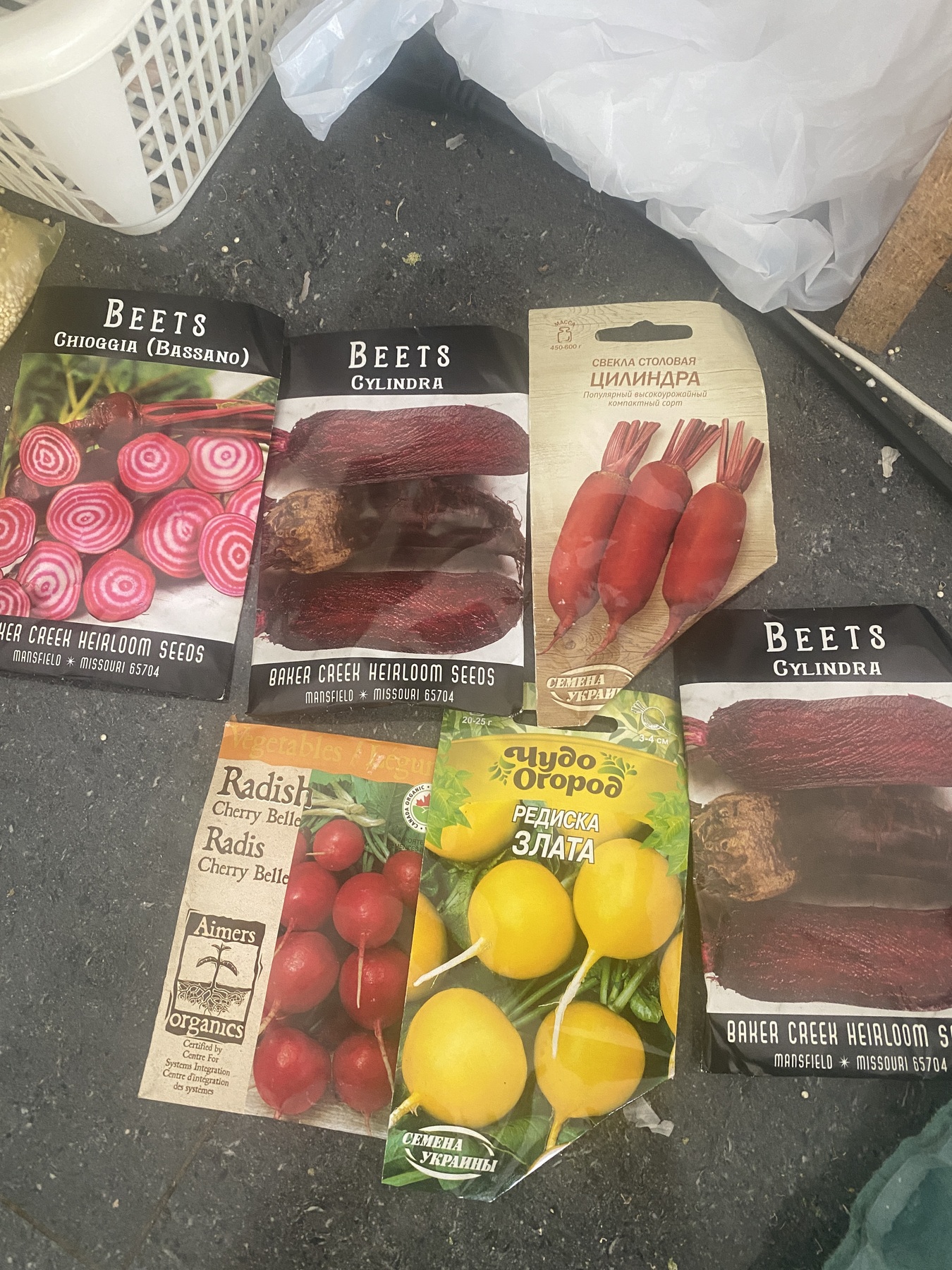
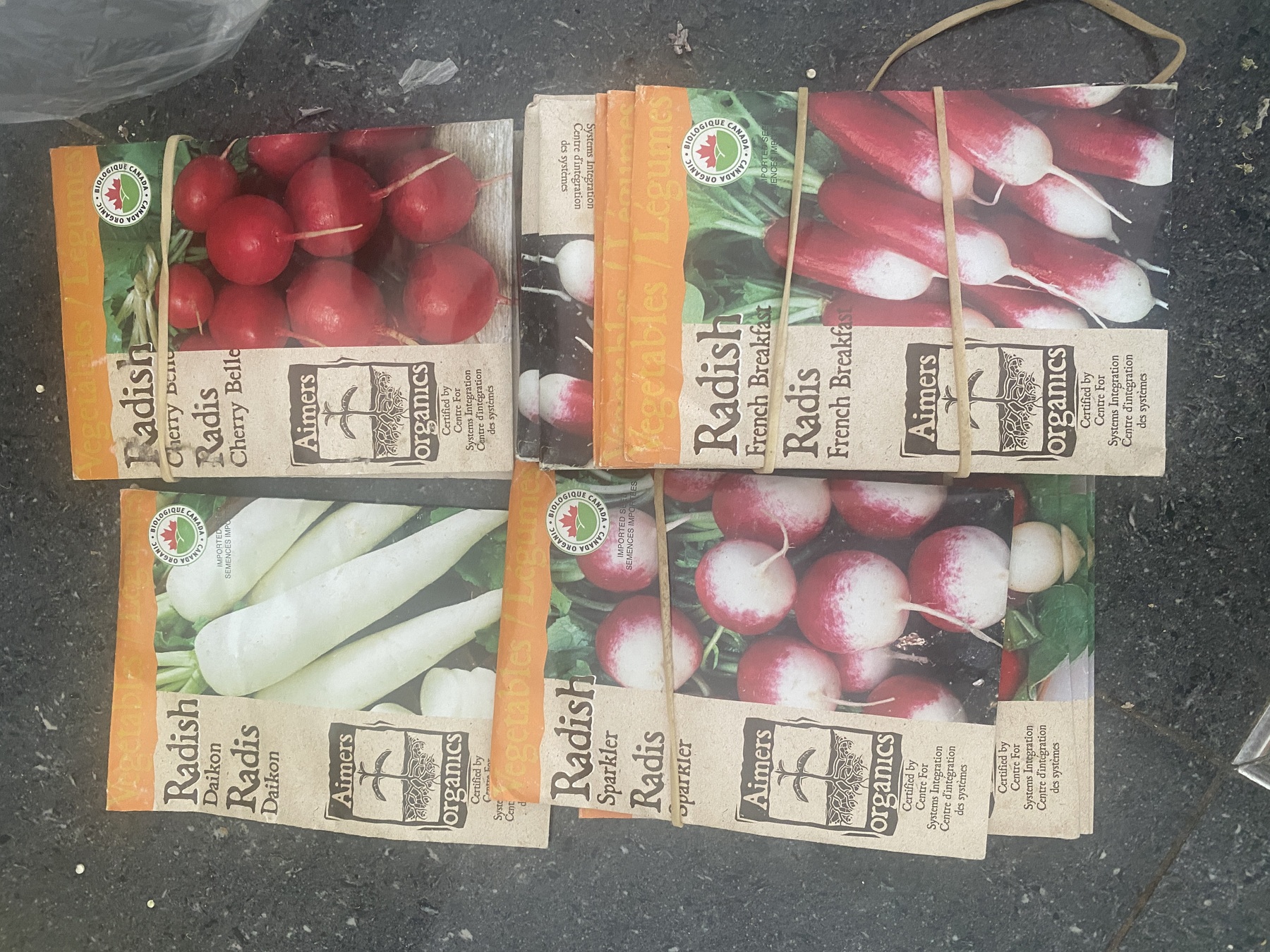
Cherry Belle is the familiar small red radish. French Breakfast has an elongated red root with a white tip, while Sparkler has the rounded red-and-white appearance associated with its name. Daikon is the long white root in this group. Keep those forms visible instead of treating every packet as the same round red radish.
RHS describes Zlata as a radish with yellow skins and white flesh. Yellow skin should not become yellow flesh in a cut serving. These distinctions are visual and culinary guides; they do not establish which varieties a Sacred Valley restaurant has available.
Choose roasting when raw sharpness is not the point
For the cooked plate, clean and trim sound small roots, then use similar-sized pieces. A cook can halve larger radishes and leave small ones intact. The goal is tenderness through the center, with enough shape left for each piece to remain distinct.
Roasting changes the raw radish experience. The finished roots can be milder and softer, with skin color less vivid than in the packet photograph. Ask about the method and added fat if you want a gentle preparation. This page describes a serving concept, without inventing a tested cooking time or a measured recipe.
Imagine roasted duck, tender radishes, and a small portion of native potatoes arranged on a warm plate. A separate spoonful of the duck's cooking juices can suit a guest who wants a richer finish. Keep the radishes visible so they do not disappear into a dark sauce.
The visual should show food prepared for the guests in a refined Andean hotel setting. It does not claim that the duck or radishes were grown on the property. Ask the kitchen what is actually available and whether its duck preparation includes a sweet glaze if you prefer a fully savory meal.
Daikon can be peeled where appropriate, cut into manageable pieces, and cooked in a vegetable broth until tender. Its large white root makes a different dish from a tray of small roasted radishes. Choose daikon when you want larger pieces of radish in a warm broth.
A broth can show the pale pieces clearly with mushrooms and a restrained green herb. The aromatic sulfur note of cooked radish may be noticeable. There is no reason to turn the broth into a detox claim or suggest that an unfamiliar aroma proves a special health benefit.
Two vegetable courses show cooked and crisp options
A small dish of roasted Cherry Belle and French Breakfast radishes can stand alone as a warm vegetable course, finished with chopped culinary herbs. Their shapes give the plate enough interest without a tall garnish or a sweet dressing.
For a second serving, use thin slices of washed Sparkler or Zlata with cucumber. That is a crisp raw option, so treat it differently from the cooked roots. Keep any mustard, sesame, or dairy dressing separate and identify its ingredients. Neither color nor a mild flavor establishes that a raw dish is suitable for every guest.
A root that became woody or pithy in the garden is not the same ingredient as a small crisp radish. Extension guidance links slow growth, heat, and water stress with stronger flavor or tougher texture. That background helps explain why two radishes with the same name may eat differently.
At the table, the practical response is to choose sound produce and a preparation the kitchen knows. Remove damaged material, wash the roots, and keep harvested greens separate for storage. Edible radish greens can have a role in cooking, but they should be identified, sound, and handled as food.
A specific dinner choice is enough for the travel plan
A radish page has one purpose here: help you choose between a cooked root accompaniment, a daikon broth, and a crisp garnish. It does not need to duplicate the duck or hotel guide to be useful. Confirm the actual dish before making a reservation around it.
The SoulSearching Experience is a five-day Sacred Valley retreat for 8-15 participants, with no plant medicine. Food imagery can suggest meals around your visit while leaving the retreat's unconfirmed venue and meal inclusions unresolved. No seed packet establishes a restaurant menu or a current garden harvest.
Restaurant references
These published combinations offer useful comparisons. They do not establish that the restaurants use the photographed seed varieties or can prepare the illustration.
Muju, Rio Sagrado, a Belmond Hotel · Ensalada de berenjena a la parrilla
Eggplant, radish, squash-seed sauce, shiitake.
The menu states charcoal grilling (a la parrilla al carbón). The printed menu marks gluten-containing cereals and soy; ask which recipe components or cross-contact the symbols describe. Confirm grilling oil and sauce. Full recipe, preparation fat, garnishes and restaurant substitutions are unverified.
On the Urubamba-Ollantaytambo road, the official dining page names Muju. Its linked lunch and dinner menus are references to check with the restaurant. The older El Huerto menu dates from April 2025. These menu references are separate from the pictured serving concept.
These additional meals keep the photographed varieties distinct. The kitchen prepares the food; the images suggest combinations to discuss, rather than a tested menu.
Roast duck with gently simmered daikon
Illustrated complete meal: Roast duck with gently simmered daikon
Ingredient serving: Daikon
Daikon gives a radish course substantial white pieces instead of small red roots. Broad rounds or oblique cuts could be simmered until tender, allowing the edges to become slightly translucent while the centers keep their shape. Serve the pieces with a little light broth beside the duck. That preparation emphasizes a gentle vegetable texture and gives the radish its own place, without turning the meal into a large soup bowl.
Let cooked red quinoa carry its own part of the meal beside carved roast duck, with the featured accompaniment kept generous and clearly visible. Keep sauces modest and separate so each guest can choose how much moisture to add without covering the main ingredient.
A proposed serving, with preparation and supply to be confirmed by the kitchen.
Roast cuy with Sparkler and French Breakfast radishes
Illustrated complete meal: Roast cuy with Sparkler and French Breakfast radishes
Ingredient serving: Sparkler, French Breakfast
Sparkler and French Breakfast both combine red and white, but their outlines are different. The former is round, while the latter is elongated with a white tip. A few gently roasted pieces could keep both forms visible beside cuy. Cut portions can reveal the white interiors, with muted red skin at the edge. Avoid chopping them into matching cubes if the point of the serving is to recognize the varieties.
Keep carved roast cuy in a modest portion, with cooked canihua served where its texture remains easy to enjoy. A few steamed skin-on native-potato halves could complete the warm plate, with the flesh visible at the cut. If wanted, offer a little food-grade sacha inchi oil as a cold finish after cooking, never as a frying oil.
A proposed serving, with preparation and supply to be confirmed by the kitchen.
Food can give the days around Machu Picchu a welcome sense of place. If you would also like time for reflection, explore a Sacred Valley retreat before or after your visit. Florian Rolke offers The SoulSearching Experience, a five-day seminar for 8-15 participants, with no plant medicine.
Ask for the current dates, venue, price and inclusions before arranging the rest of your trip. These dishes, restaurant visits and garden visits are ideas to explore; they are not confirmed seminar inclusions.
Questions about this dish
Adapted from public cooking questions and published FAQs. Answer sources are linked below each response. Broader ingredient questions are included where they help with this serving.
Can another radish stand in for a named variety?
It may work in the dish, but color, size, and flavor can differ. Identify the root actually used rather than retaining the packet name when the kitchen has substituted another radish.
Why might a cooked radish taste milder than a raw one?
Cooking changes the crisp raw radish experience. The proposed roasted roots are chosen for a softer, milder accompaniment rather than the sharp bite expected from a raw garnish.
Preparation depends on the root. Small sound radishes can often keep their skins after washing, while daikon is commonly peeled for some preparations. Remove damaged material in either case.
Edible radish greens can have a cooked use when properly identified, sound, and handled as produce. Do not assume that every decorative leaf placed beside a radish is an edible garnish.
Is a yellow pickled sushi radish the same as Zlata?
No. A prepared yellow pickle does not identify the raw cultivar. Zlata here refers to a yellow-skinned radish with pale flesh, not a claim about a seasoned sushi garnish.
Yes, cooked radish can have an aroma that differs from the raw root. Choose a reliable cooking method and ventilation, but do not use smell alone to judge whether a stored dish is safe.
Does a strong pickle smell prove that stored radish is unsafe?
Smell alone cannot verify either safety or spoilage. This page proposes fresh cooked roots; any pickled version needs its own tested method and appropriate storage.
A sound dehydrated root and a spoiled one are different problems. Do not try to disguise decay. Choose firm radishes and handle them promptly for the best raw or cooked texture.
What should a kitchen look for when selecting radishes?
Choose firm, sound roots. If attached, the greens should look fresh. The condition of the actual batch matters more than whether the packet describes a desirable variety.
Can small radishes be roasted rather than served raw?
Yes. Similar-sized pieces help a cook produce a consistent tender serving. Ask about the actual method and added fat if those choices matter to the meal.
Check the center rather than relying only on a timer or browned skin. Size and equipment affect tenderness; this proposed plate does not carry a tested cooking time.
No. Steaming and roasting use different conditions and produce a different finish. Choose steam for a moist result or an appropriate roast when a drier surface is wanted.
A kitchen can choose a suitable cooked-root method, including steam. The pictured roasted concept should still be described as roasted only when that is how the food was prepared.
Why does a cooked root feel softer than a raw garnish?
Heat changes vegetable structure and moisture behavior. The practical goal here is a root that yields comfortably to a fork, with enough shape left to recognize the cut.
Should a roasting tray be packed tightly with roots?
The arrangement affects moisture and browning. Use a complete roasting method rather than crowding the tray and expecting the same finish as separated pieces.
Should radishes be washed before peeling or cutting?
Yes. Wash produce before preparation so the knife does not carry surface dirt into the cut food. Firm roots can be cleaned with a suitable clean produce brush.
Can visibly damaged leafy produce simply be used as garnish?
Inspect and clean produce carefully, and discard rotten material. Radish greens should be treated as food with appropriate handling rather than as a decoration that escapes those checks.
Will a harvested radish improve like a ripening fruit?
Do not expect a tough or pithy radish to turn into a tender root after harvest. Choose roots in good condition and store them appropriately; growing conditions already affected their texture.
Can radish greens be substituted into any greens recipe?
Different greens have different flavors and textures. A cook can adapt a suitable method for edible radish leaves, but should not transfer a recipe blindly from another plant or use unidentified greens.