Curled blue green leaves and flatter red veined leaves do not cook into identical folds. Choose the texture before choosing the garnish.
An illustrated serving concept in an Andean hotel setting.
Roast cuy with tender kale and white beans
A modest portion of roast cuy leaves room for the cooked kale and beans. Ask for leaves that are comfortable to eat, with the thick stems prepared separately where needed. Keep the sauce optional.
Explore cuy in the ingredient guide. Confirm the actual preparation and availability with the kitchen.
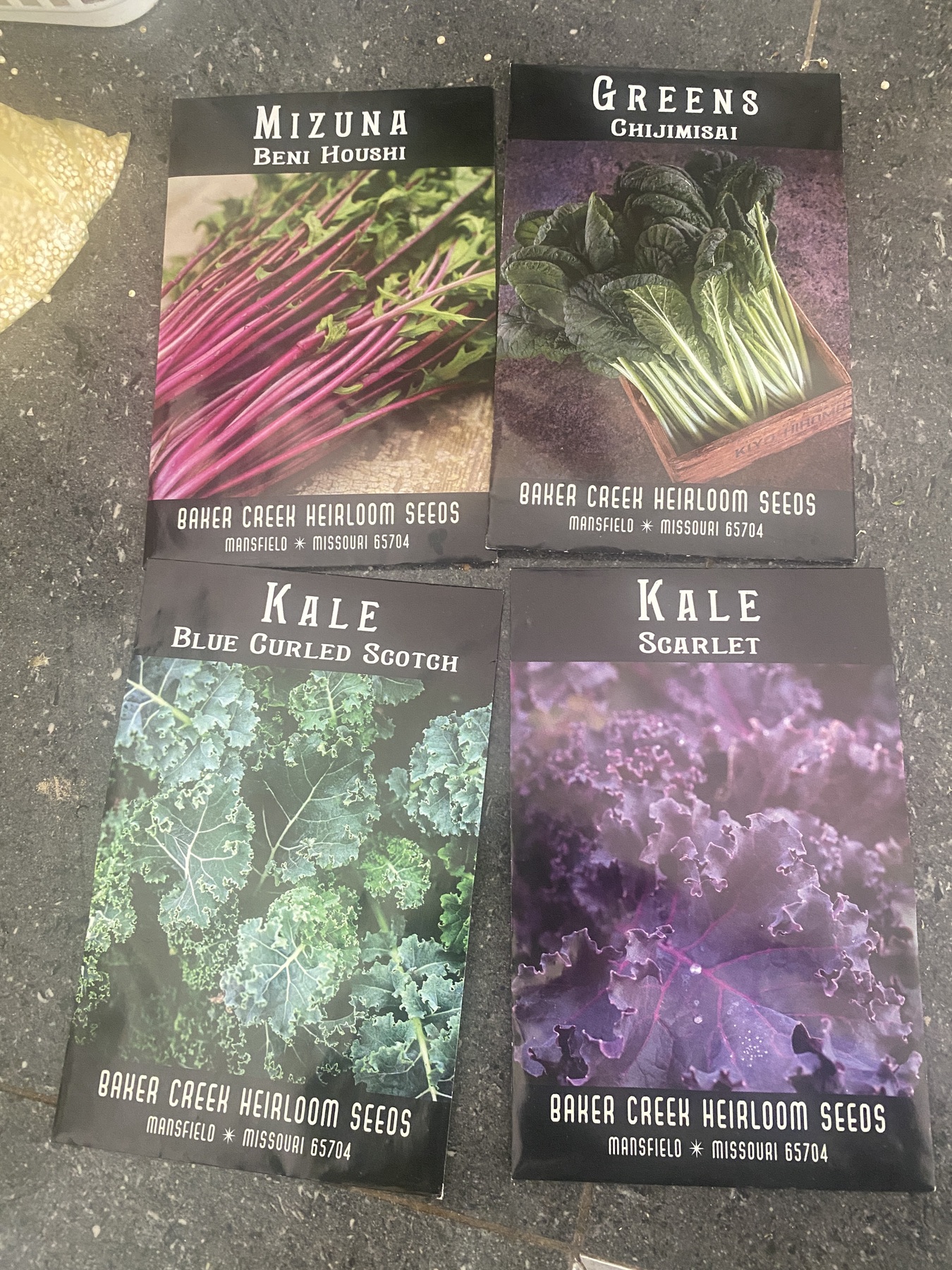
Blue Curled Scotch, Red Russian, and Scarlet are the photographed kale names. Their leaf forms differ, but all benefit from removing tough stalks and cooking to a texture you enjoy. Serve a generous warm portion beside roast cuy and a baked potato.
The featured ingredient, served on its own.
Illustrated serving concepts and an imagined Sacred Valley garden. These are not photographs of a named restaurant, a current harvest, or a tested recipe.
Let the packet varieties remain recognizable
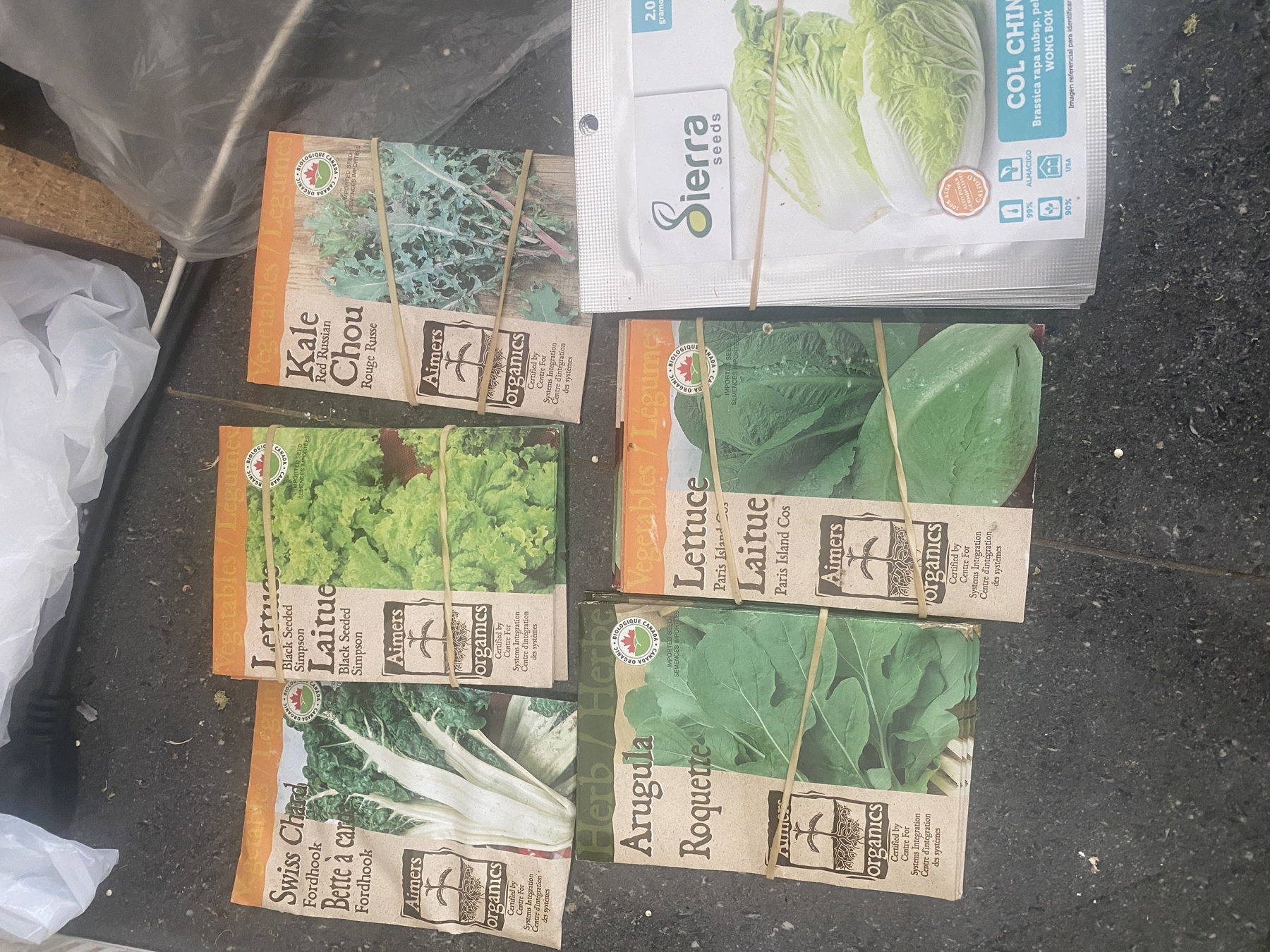
Blue Curled Scotch, Red Russian, and Scarlet are all present in the collection. A single generic dark leaf would lose the comparison. Blue Curled Scotch supplies pronounced curls, Red Russian a flatter lobed shape, and Scarlet the purple red side of the planting.
These are culinary planning identities, not proof of a current restaurant ingredient. Leaf color can also shift with cooking. If the kitchen has another edible kale, the same serving idea can still work, but the dish should use the name of that actual crop rather than borrowing a photographed packet's pedigree.
Pull or cut the leafy portion away from a thick central stalk. Tender young stalks may be usable when finely cut and given more cooking time, while a woody piece is better left out. Tear or cut leaves into manageable pieces before cooking.
For this dinner, simmering gently in a little broth gives a softer result than treating the kale as a raw salad. The curls should relax and the leaf should be easy to chew. Ask for well cooked greens if that is what you enjoy. There is no culinary obligation to prefer a very firm leaf.
Picture roast cuy served with a generous mound of tender kale and a baked Andean potato. The greens occupy a real part of the plate, with the meat arranged beside them. A little plain broth can moisten the kale while a lemon wedge offers a sharper finish.
This is a proposed hotel dinner, not a claim about a restaurant's present menu. Ask how the cuy is prepared, since a roast concept does not establish the method used elsewhere. Portion and presentation can be adapted to the diner. Confirm availability and any dietary requirements before choosing the meal.
Give strong leaves a restrained accompaniment
Kale has more presence than a delicate lettuce leaf. Plain cooked white beans can soften the overall impression of the dish without burying it under sweet dressing. Garlic can remain a quiet background flavor. Add lemon to taste after the greens are cooked.
A sesame or yogurt sauce can be offered separately if desired, with its allergens made clear. It is also reasonable to keep the leaf plain. If no added oil or sugar matters to you, ask those questions explicitly. A savory dressing name does not establish its ingredients, and a glossy image cannot measure what went into the pan.
A second bowl can favor Red Russian
A warm white bean bowl with ribbons of cooked Red Russian offers another serving direction. Its flatter leaf shape can remain visible between the beans. A few cooked red cabbage ribbons would add a different texture, but the kale should still be the main green.
This variation avoids repeating the roast cuy plate. It can be a starter or a vegetable course depending on the portion. Different kale varieties may need different cooking attention, and leaf age matters too. Use tenderness as the endpoint rather than promising one fixed time for every cultivar and harvest.
Harvesting leaves is different from harvesting a head
Kale is commonly harvested by taking outer leaves while leaving the growing point to continue producing. It is not cut in the same way as a compact cabbage head. The garden image should therefore show leaves arranged along a growing plant, with each cultivar's form still visible.
Cool weather can influence flavor and leaf quality, but that does not make a frosty garden photograph proof of sweetness or an Andean harvest guarantee. A grower needs to assess the site, season, irrigation, and pests. The seed collection is a starting point for that work, not its result.
Cuy may be a new ingredient for some visitors, while cooked kale is familiar. You can approach the meal as a food choice rather than a test of adventurousness. Ask what is available, how it is cooked, and what alternatives the kitchen offers.
A Sacred Valley stay centered on The SoulSearching Experience lasts five days. These dinner ideas can support the surrounding itinerary, including separate Machu Picchu travel, but they do not define retreat meals or inclusions. Keep the food conversation practical and let the confirmed arrangements shape the plan.
Restaurant references
These published combinations offer useful comparisons. They do not establish that the restaurants use the photographed seed varieties or can prepare the illustration.
Wayra, Sol y Luna · Betarragas
Roasted, raw and creamy beetroot, toasted seeds, strawberry vinaigrette, kale.
Roasted and raw components explicit; seeds toasted. Confirm creamy ingredients and dressing sugar/oil. Full recipe, preparation fat, garnishes and restaurant substitutions are unverified.
Urubamba; Live-linked menu has 2024 in filename, stored /2025/04/. No visible valid-through date. Alternative -1 PDF metadata is April 10, 2025. Current live link content was checked separately.. A menu reference, separate from the pictured serving concept.
These additional meals keep the photographed varieties distinct. The kitchen prepares the food; the images suggest combinations to discuss, rather than a tested menu.
Roast cuy with three kales and colored quinoa
Illustrated complete meal: Roast cuy with three kales and colored quinoa
Ingredient serving: Blue Curled Scotch, Red Russian, Scarlet
Three kales can remain a useful comparison even after their colors become quieter in cooking. Blue Curled Scotch brings curled leaves, Red Russian a flatter lobed form with purple stems, and Scarlet another curled purple-leaf choice. Serve generous pieces beside cuy rather than mincing the leaves into one indistinct mound. The goal is tender cooked greens whose shapes still explain the variety of the vegetable course.
A complete serving could bring together carved roast cuy and small separate mounds of cooked red and white quinoa, leaving the featured vegetable or fruit enough room to remain recognizable. A few steamed skin-on native-potato halves could complete the warm plate, with the flesh visible at the cut.
A proposed serving, with preparation and supply to be confirmed by the kitchen.
Food can give the days around Machu Picchu a welcome sense of place. If you would also like time for reflection, explore a Sacred Valley retreat before or after your visit. Florian Rolke offers The SoulSearching Experience, a five-day seminar for 8-15 participants, with no plant medicine.
Ask for the current dates, venue, price and inclusions before arranging the rest of your trip. These dishes, restaurant visits and garden visits are ideas to explore; they are not confirmed seminar inclusions.
Questions about this dish
Adapted from public cooking questions and published FAQs. Answer sources are linked below each response. Broader ingredient questions are included where they help with this serving.
Alternatives to massaging fresh kale?
Cook it instead, or slice tender leaves finely if you want a raw preparation. This dinner uses a gentle broth cook, so massaging is not necessary.
Yes, some kale can taste relatively sweet, depending on cultivar and growing conditions. Taste varies; a sweet leaf is not proof of a particular farming method.
Assess the leaf and stalk thickness rather than relying only on the word perennial. Remove woody portions and cook substantial leaves longer than very young tender foliage.
Yes, edible Russian kale can be frozen for cooked use. A tested greens blanching and freezing method gives a better starting point than expecting the raw texture to remain unchanged.
Kale can have a peppery brassica flavor, though a strong horseradish impression is not universal. If you dislike that taste, choose cooked leaves and try a small serving first.
What's the best way to store lots of kale to use for smoothies?
Refrigerate sound leaves for short storage. For longer storage, use a tested freezing method rather than assuming a smoothie will make poorly stored greens suitable to eat.
How do I clean kale and other leafy vegetables for cooking?
Separate the leaves, inspect their folds and undersides, and rinse with safe running water. Dry or drain according to the dish; soap and detergent do not belong on the leaves.
How to cook kale and collard greens for someone who doesn't like them?
Remove tough stalks and cook until genuinely tender. Pair a modest serving with familiar beans or potato, and accept that another vegetable may suit the diner better.
Is there any point in blanching kale directly before cooking?
Blanching can soften the leaves and change their flavor before a second preparation. It is useful in some recipes, but not a mandatory extra step before every gentle braise.
Lemon juice and kale/green leaf lettuce salad produces a very horseradish-y taste and smell?
Kale and other brassicas can taste pungent, and cutting or dressing changes the experience. Add lemon to taste rather than assuming every leaf needs a strong acidic dressing.
Does kale taste sweeter and more flavorful after being frozen?
Exposure of a living plant to cold is different from freezing harvested leaves. A freezer changes texture; it is not a reliable way to recreate the flavor of a crop grown through cool weather.
Use an identified food crop rather than an ornamental purchase with unknown treatments. An edible species name alone does not establish that a decorative plant was produced for food.
Production depends on cultivar, conditions, and maturity. Flowering is one sign of a life cycle change, but plant health and new leaf quality are the useful things to watch.
There is no universal useful life. Repeated harvest, seasonal conditions, pests, and declining leaf quality can make a new planting more worthwhile than keeping an old plant.
Just *how* hardy are leeks, kale and brussel sprouts?
Kale tolerates cool weather well, but cultivar, acclimation, wind, and temperature all matter. Cold tolerance is not a performance guarantee for an untested Sacred Valley site.