Thoroughly cooked waterleaf can accompany baked high-altitude Andean trout in a light tomato broth. The tender leaves give the vegetable course its character, with the plant identity established before service.
An illustrated serving concept in an Andean hotel setting.
Baked high-altitude Andean trout with thoroughly cooked waterleaf
The verified edible leaves and tender shoots are cooked thoroughly before service. A small tomato broth can hold them beside the fish and quinoa. The plant name is Talinum fruticosum, also recorded as T. triangulare; roots and decorative flowers are outside this serving.
Explore High-altitude Andean trout in the ingredient guide. Confirm the actual preparation and availability with the kitchen.
Baker Creek identifies Bokoboko as Talinum triangulare, treated by NParks as a synonym of Talinum fruticosum. Authoritative garden sources document cooked leaves and young shoots. This serving uses thoroughly cooked leaves beside high-altitude Andean trout, with no raw-leaf or medicinal recommendation.
The featured ingredient, served on its own.
Illustrated serving concepts and an imagined Sacred Valley garden. These are not photographs of a named restaurant, a current harvest, or a tested recipe.
Bokoboko is a Talinum, not ordinary spinach
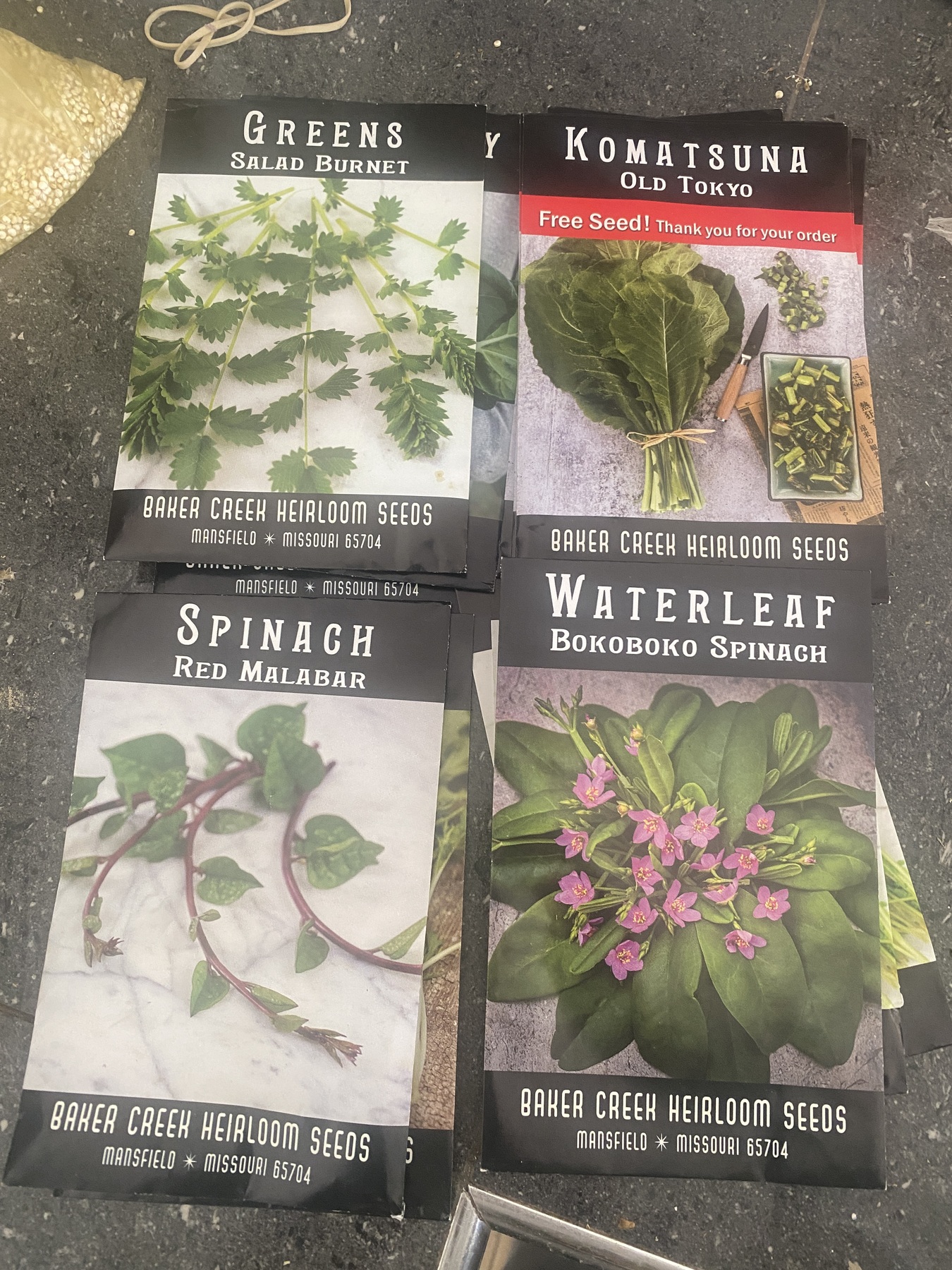
The photographed packet names Bokoboko Spinach. Baker Creek identifies that product as Talinum triangulare and also calls it waterleaf. NParks lists Talinum triangulare as a synonym of Talinum fruticosum. Those references connect the packet name with an identifiable culinary plant rather than relying on the broad word spinach.
Ordinary spinach, water spinach, and this Talinum are different plants. Advice for one cannot simply be transferred to the others. The supplier's enthusiastic description is not a reason to expand the menu to every part or every raw preparation, especially when a more cautious authoritative source gives cooking guidance.
NParks documents the leaves and young shoots as a cooked vegetable and a sauce thickener. Its GardenWise publication advises thorough cooking of tender waterleaf leaves before eating because of plant compounds of concern. The serving here therefore uses leaves that have been properly identified and thoroughly cooked.
It does not recommend raw salads, roots, flowers, or casual tasting in the garden. A cook needs a reliable species-specific method; this page does not invent a safe time or temperature from an ordinary spinach recipe. If the kitchen cannot establish the plant or preparation, choose a familiar cooked green instead.
Cooked high-altitude Andean trout and potatoes give the leaves a clear place
Imagine cooked high-altitude Andean trout with native potatoes and a modest serving of warm waterleaf. Keep the soft leaves beside the fish, with any sauce restrained so the vegetable remains visible. This makes a full dinner rather than a decorative green garnish on an otherwise empty plate.
The meal is a proposal for a hotel kitchen preparing food for guests. It is not evidence that a Sacred Valley hotel currently grows, buys, or serves Bokoboko. Confirm both availability and the preparation method. An attractive illustration cannot settle botanical identification, handling, or a kitchen's experience with an unfamiliar vegetable.
Waterleaf has a succulent leafy structure and can contribute body to a cooked dish. NParks notes its use to thicken sauces. That gives the cook a useful expectation: this may be a soft, moist green rather than a crisp salad leaf or a firm stem vegetable.
For a vegetable course, serve properly cooked leaves in a shallow bowl with a modest garlic note. Let the dish look like cooked greens, with a small amount of liquid rather than a glossy raw salad. Do not claim that a particular texture measures nutrition, proves freshness, or delivers a therapeutic effect.
A second serving can place cooked leaves in a broth
A light vegetable broth with native potato pieces can hold a small portion of waterleaf that has already received the appropriate cooking. The leaves may add body to the liquid, so the kitchen should decide whether that texture suits the intended bowl.
This remains a serving idea, not a tested soup recipe. Do not simply drop raw leaves into a bowl of hot liquid and assume the species-specific preparation has been satisfied. If a reliable method involves a separate cooking step or discarded water, follow that method rather than saving the liquid merely to avoid waste.
A tropical packet does not establish a highland crop
The supplier describes Bokoboko as frost tender, while NParks discusses it in a tropical context. Heat tolerance in one region does not prove success in a Sacred Valley bed with different nights, irrigation, soils, and exposure. A protected trial would need local assessment before anyone promises a crop.
The garden image is therefore an imagined botanical study. It shows the plant's form, not a current harvest or an organic growing certification. The page also makes no claim that the crop is native to Peru, traditionally served at this retreat, or available throughout the year.
The point of this page is an identified cooked vegetable, with clear limits on the plant part and preparation. There is no medicinal recommendation. Research about isolated compounds or animal experiments does not establish a benefit from a hotel serving, and no disease promise belongs on the menu.
The SoulSearching Experience is a five-day Sacred Valley retreat for 8-15 participants, with no plant medicine. This dinner is an idea for meals around a stay, not a retreat treatment or confirmation of included dining, a garden activity, or a particular hotel.
A table within a longer stay
Food can give the days around Machu Picchu a welcome sense of place. If you would also like time for reflection, explore a Sacred Valley retreat before or after your visit. Florian Rolke offers The SoulSearching Experience, a five-day seminar for 8-15 participants, with no plant medicine.
Ask for the current dates, venue, price and inclusions before arranging the rest of your trip. These dishes, restaurant visits and garden visits are ideas to explore; they are not confirmed seminar inclusions.
Questions about this dish
Adapted from public cooking questions and published FAQs. Answer sources are linked below each response. Broader ingredient questions are included where they help with this serving.
Can any leafy green be used in the same cooking method?
No. Species, edible part, and preparation differ. Bokoboko's Talinum identity and authoritative thorough-cooking guidance take priority over a recipe written for another green.
Question source: public discussion. Based on a broader leafy-green question, applied here to waterleaf.
Is waterleaf the same plant as ordinary spinach or callaloo?
No common name guarantees that. The Bokoboko supplier identifies Talinum triangulare, a synonym of Talinum fruticosum in NParks. Verify the actual plant before borrowing another green's instructions.
Question source: public discussion. Based on a broader leafy-green question, applied here to waterleaf.
Does advice for water spinach apply directly to Bokoboko?
No. Water spinach and Talinum waterleaf are different plants. This page uses identified Talinum leaves, thoroughly cooked by an appropriate method, rather than transferring guidance by a similar name.
Question source: public discussion. Based on a broader leafy-green question, applied here to waterleaf.
Can Bokoboko replace a familiar soup green without changing the method?
Do not assume so. Its texture and specific preparation requirements matter. Use a reliable Talinum method first, then decide whether the properly cooked leaves suit the proposed broth.
Question source: public discussion. Based on a broader leafy-green question, applied here to waterleaf.
Why might a cooked leafy dish release a lot of liquid?
Leafy vegetables can release moisture during cooking, and waterleaf is used for adding body to dishes. Let a kitchen familiar with the plant manage that texture instead of expecting a crisp salad result.
Question source: public discussion. Based on a broader leafy-green question, applied here to waterleaf.
Can cooking water simply be reduced to keep the flavor concentrated?
Follow a reliable species-specific method. Do not reduce or reuse liquid in a way that conflicts with appropriate waterleaf preparation; this page does not create a safe method from spinach advice.
Question source: public discussion. Based on a broader leafy-green question, applied here to waterleaf.
Should cooked waterleaf feel like a crisp raw leaf?
No. The proposed dish is a thoroughly cooked soft green. NParks documents Talinum leaves in cooked vegetables and as a sauce thickener; that is a different expectation from a raw salad.
Question source: public discussion. Based on a broader leafy-green question, applied here to waterleaf.
Should all stems be included with the leaves?
This concept deliberately uses identified leaves only. Stem uses mentioned elsewhere do not require expanding the serving. Remove fibrous or unsuitable material and follow the actual plant's method.
Question source: public discussion. Based on a broader leafy-green question, applied here to waterleaf.
Should the cooked leaves be squeezed dry?
That depends on a reliable preparation for the species and the intended dish. Do not invent a squeeze-and-serve method from spinach. The proposed broth can accommodate a moist cooked leaf.
Question source: public discussion. Based on a broader leafy-green question, applied here to waterleaf.
Does a bunch establish a reliable serving weight?
No. Bunch sizes vary, and raw leaves change volume when cooked. A hotel kitchen should portion the actual prepared food; the picture does not establish grams or nutrition values.
Question source: public discussion. Based on a broader leafy-green question, applied here to waterleaf.
Can waterleaf be given the same storage period as spinach?
Do not copy a shelf life from another species. Use sound produce, appropriate cold handling, and a supplier or kitchen method suited to Talinum. This page makes no unverified storage-duration claim.
Question source: public discussion. Based on a broader leafy-green question, applied here to waterleaf.
Can leaf appearance alone prove a batch is safe?
No. Discard rotten material and consider the actual handling history. A good color is not proof of correct identification, safe storage, or adequate cooking.
Question source: public discussion. Based on a broader leafy-green question, applied here to waterleaf.
Can an ordinary spinach boiling time be used for Bokoboko?
No. This is a different plant with its own cooking guidance. The page gives no invented safe time; use a reliable Talinum preparation or choose a familiar cooked green.
Question source: public discussion. Based on a broader leafy-green question, applied here to waterleaf.
Does a dry or astringent mouthfeel diagnose a plant problem?
No. Sensation is not a reliable identification or safety test. Do not taste an uncertain plant to decide what it is, and do not use this page for a medical interpretation.
Question source: public discussion. Based on a broader leafy-green question, applied here to waterleaf.
Will frozen greens always regain a fresh-leaf texture?
No. Freezing can change texture. This concept does not promise that frozen Talinum behaves like fresh spinach, and safe species-specific preparation still comes first.
Question source: public discussion. Based on a broader leafy-green question, applied here to waterleaf.
Can cooked greens be kept warm indefinitely or repeatedly reheated?
No. Prepared food needs normal time and temperature controls, prompt refrigeration, and appropriate reheating. Those controls are additional to, not a substitute for, correctly cooking the identified waterleaf initially.
Question source: public discussion. Based on a broader leafy-green question, applied here to waterleaf.
Is there a universal fresh-to-frozen conversion for waterleaf?
No conversion is established here. Use a complete method and the actual product's directions; an amount quoted for frozen spinach is not automatically an equivalent Talinum serving.
Question source: public discussion. Based on a broader leafy-green question, applied here to waterleaf.
Should cooking liquid be saved merely to retain every nutrient?
Do not put that goal ahead of the appropriate plant-specific method. If a reliable preparation calls for discarding liquid, follow it. This page makes no nutrient-retention calculation for the pictured serving.
Question source: public discussion. Based on a broader leafy-green question, applied here to waterleaf.
Does washing guarantee that a raw leafy dish is free of pathogens?
No. Washing can reduce contamination but does not eliminate it. This waterleaf concept separately requires botanical identification and thorough cooking; a clean appearance is insufficient.
Question source: public discussion. Based on a broader leafy-green question, applied here to waterleaf.
Can a general freezing blanch replace waterleaf's cooking method?
No. Preservation blanching instructions and safe ready-to-eat preparation are different questions. Use a reliable method for Talinum rather than borrowing a short blanch for another vegetable.