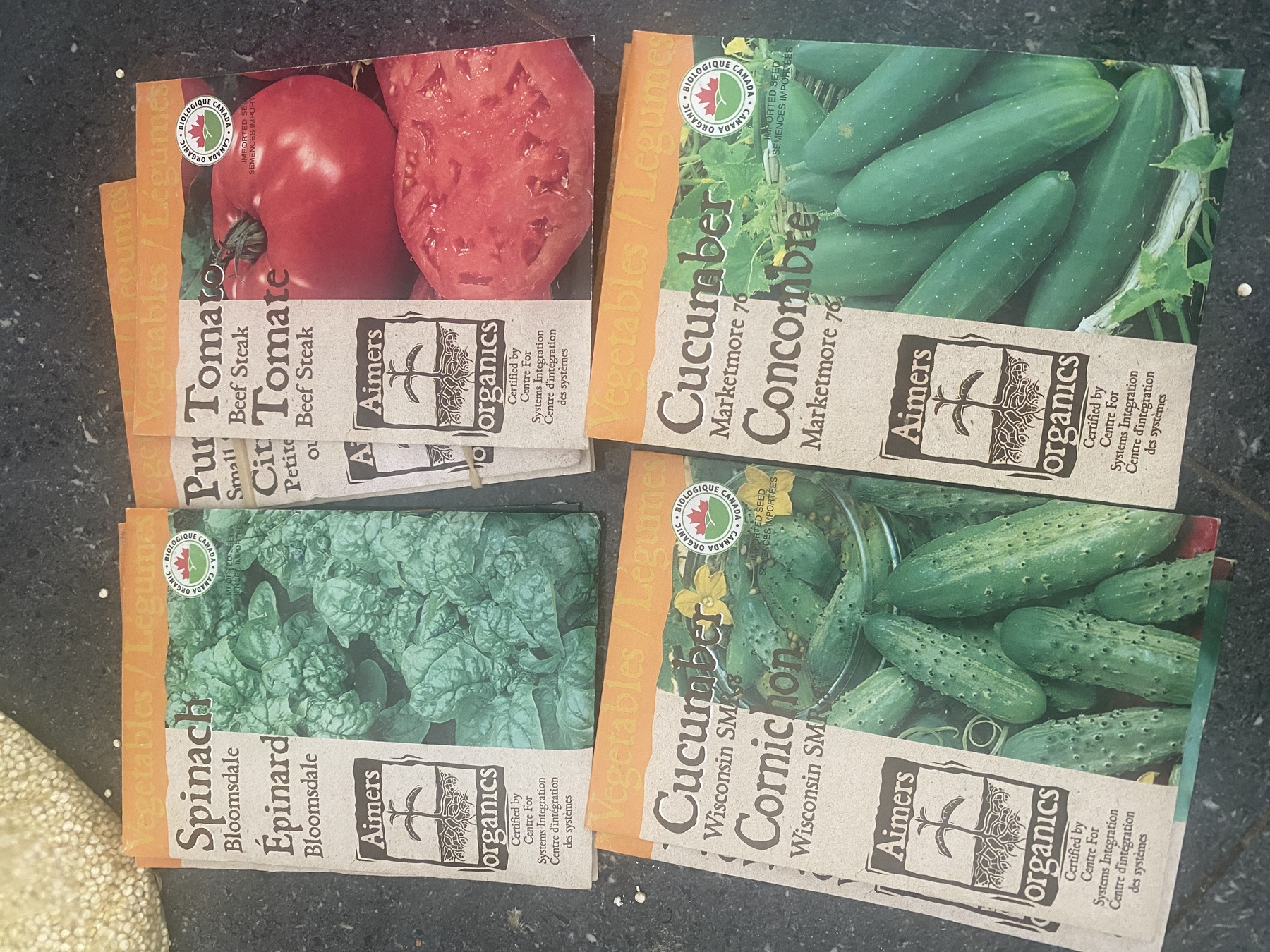
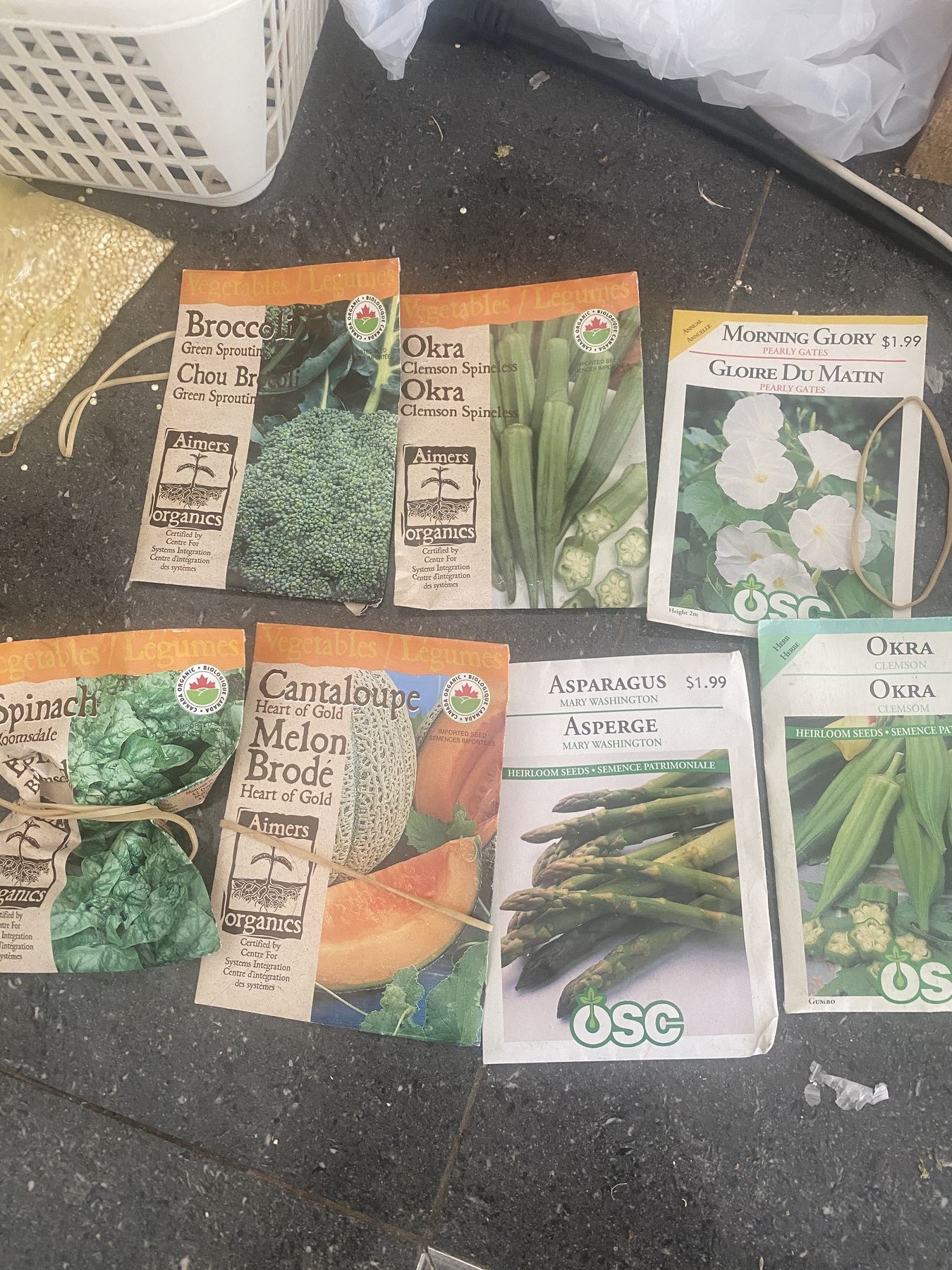
A small fold of cooked spinach begins as a much larger handful of leaves. Bloomsdale makes that change especially visible.
An illustrated serving concept in an Andean hotel setting.
Alpaca with spinach and softened garlic
The leaf portion should be generous enough to notice beside the alpaca. Gently cooked Bloomsdale spinach and a few tender potatoes make a simple plate; garlic can season the leaves without forming a crisp fried topping.
Explore alpaca in the ingredient guide. Confirm the actual preparation and availability with the kitchen.
Wash Bloomsdale spinach carefully, wilt it gently, and drain according to the serving. Its crinkled leaves can hold soil and it loses volume quickly during cooking. A generous cooked portion works beside alpaca and quinoa without a cream sauce.
The featured ingredient, served on its own.
Illustrated serving concepts and an imagined Sacred Valley garden. These are not photographs of a named restaurant, a current harvest, or a tested recipe.
Keep Bloomsdale and Malabar separate
The collection contains Bloomsdale spinach as well as Red Malabar. Bloomsdale is Spinacia oleracea, the familiar true spinach. Its curled leaves are different from the fleshy foliage and climbing stems of Basella, the plant sold as Malabar spinach. One name is not a cooking guarantee for the other.
This serving uses a soft fold of cooked Bloomsdale, with the familiar leaf texture of true spinach. The distinction gives each ingredient its own purpose. A restaurant would still need to confirm its actual spinach variety before using the packet name in a menu description.
The folds that make savoy type spinach attractive also create places for soil to collect. Separate the leaves and rinse them thoroughly with safe running water before preparation. Examine the base and trim any damaged material or tough stems.
A young tender stalk can remain with the leaf; a larger fibrous stalk can be removed. This decision should follow the actual bunch rather than a rule that all spinach stems are either excellent or useless. Ready to eat packaged spinach has its own handling instructions, so follow the label instead of assuming every bag needs the same treatment.
Fresh spinach carries water on and within its leaves. It can wilt in a covered pan with a small amount of liquid; it does not need to float in a large pot for this concept. Turn or lift the leaves so the batch softens evenly.
Drain before arranging the serving. The aim beside alpaca is a moist, tender fold, not a pool that runs through the quinoa. If the spinach will become a filling or a compact cake in another dish, it may need more thorough squeezing. Those are different moisture requirements, which explains why advice from one spinach recipe may not fit another.
A complete dinner concept brings together cooked alpaca, a generous serving of spinach, and quinoa. Give the greens their own area, with a lemon wedge nearby. A small amount of plain cooking broth can accompany the meat without turning the whole plate into a sauce.
This is an imagined Andean hotel serving, not a verified local specialty or a promised retreat meal. Ask about the available cut of alpaca and its preparation. If you want the spinach without added oil or cream, make that request directly. The kitchen can confirm whether the proposed combination is practical.
Use broth for a second spinach presentation
A clear vegetable broth with cooked white beans offers a second direction. Add the spinach late enough that the leaves remain identifiable when the bowl reaches the table. A few herbs can finish it; a heavy cream base is unnecessary.
This is a useful alternative when you would rather have a warm bowl than a composed meat plate. It does not depend on one precise spinach variety. Fresh and frozen spinach can both be used in cooking, but their water content and packed volume differ, so a measured recipe should specify which form it expects.
Spinach is a cool season leaf crop. Longer days and heat can push it toward flowering, often called bolting. Once that happens, the texture and flavor of the leaves can become less appealing. The new tall stalk is part of the plant's life cycle, not evidence that a spinach vine has appeared.
A garden illustration should show the low leafy stage that supplies the dish. For a real Sacred Valley planting, sowing and harvest choices need local observation rather than a Northern Hemisphere calendar copied unchanged. The packet name alone establishes neither growing success nor a current supply for a hotel.
Travel meals can become tiring when every choice arrives with a long explanation. A familiar cooked green, plainly prepared, is a useful option. Ask for the actual vegetable, its cooking method, and the sauce ingredients. Those answers can tell you whether the plate fits your preferences.
The SoulSearching Experience is a five day Sacred Valley retreat. This meal concept belongs to broader trip planning around that stay, including any separate Machu Picchu visit. It does not establish what the retreat serves. Confirm food arrangements with the organizer and current restaurant choices with the kitchen.
Restaurant references
These published combinations offer useful comparisons. They do not establish that the restaurants use the photographed seed varieties or can prepare the illustration.
Soup (inferred cooked from soup) The printed menu marks gluten-containing cereals and soy; ask which recipe components or cross-contact the symbols describe. Confirm stock/fat and no added sugar. Full recipe, preparation fat, garnishes and restaurant substitutions are unverified.
On the Urubamba-Ollantaytambo road, the official dining page names Muju. Its linked lunch and dinner menus are references to check with the restaurant. The older El Huerto menu dates from April 2025. These menu references are separate from the pictured serving concept.
Food can give the days around Machu Picchu a welcome sense of place. If you would also like time for reflection, explore a Sacred Valley retreat before or after your visit. Florian Rolke offers The SoulSearching Experience, a five-day seminar for 8-15 participants, with no plant medicine.
Ask for the current dates, venue, price and inclusions before arranging the rest of your trip. These dishes, restaurant visits and garden visits are ideas to explore; they are not confirmed seminar inclusions.
Questions about this dish
Adapted from public cooking questions and published FAQs. Answer sources are linked below each response. Broader ingredient questions are included where they help with this serving.
Why was sauteed spinach watery?
Spinach releases moisture and loses volume as it heats. Drain according to the dish and avoid crowding a serving with liquid that was not intended as sauce.
Yes, a small amount of water or liquid clinging to washed leaves can help wilt spinach in a covered pan. Check that the leaves soften evenly rather than leaving a dry scorched base.
How do I prepare fresh spinach when a recipe calls for frozen?
Wilt the fresh leaves first with a little water, then drain or squeeze them to suit the recipe. A filling needs drier spinach than a moist vegetable side. You do not need to freeze the fresh leaves merely to use them in place of frozen spinach.
Packaging may protect moisture and quality, but the bag does not replace refrigeration or the use instructions. Follow the product's label, including any ready to eat or washing directions.
Does a strong smell when cooking spinach indicate anything?
An unpleasant odor may indicate spoilage, but smell alone is not a reliable safety test. Reject slimy, moldy, damaged, or questionably stored spinach rather than trying to cook the problem away.
Refrigerate it promptly and protect the leaves from drying or sitting in excess moisture. Buy a quantity you can use while it is sound and follow package storage instructions.
Fresh leaves cook quickly, but leaf size and quantity change the time. For this serving, stop when the leaves are evenly tender, then drain; a universal minute count would be misleading.
Inspect the actual leaves for slime, mold, decay, and damage, and consider storage history. A good looking photograph or a smell check cannot certify safety.
Can fresh and frozen spinach be exchanged by equal cup measures?
Use the recipe's specified weight and food form when accuracy matters. A loose cup of fresh leaves and a compact cup of frozen or drained spinach contain different amounts, so an equal-volume exchange is unreliable. This is a measuring decision, separate from how the fresh leaves are cooked.
A handful varies with the person and whether leaves are loose or compressed. Treat it as a flexible serving instruction unless the recipe also provides a weight.
What is the most efficient way to squeeze water out of cooked spinach?
Let it cool enough to handle, then press in a sieve, clean cloth, or suitable press. For a moist vegetable side, drain rather than squeezing as hard as you would for a filling.
Can I thaw frozen spinach that´s meant to be boiled frozen?
Follow the product's instructions, especially where cooking from frozen is specified. If thawing is permitted, thaw under refrigeration and account for released liquid.
Does spinach when cooked on bare cast iron turn black?
Spinach can darken through contact with reactive metal. A nonreactive cooking vessel is a straightforward choice when appearance matters; unexpected color should still be considered with the food's overall condition.
Preparing a fresh bag of spinach: To Stem or Not To Stem?
Keep tender young stems if you enjoy their texture, and trim tougher fibrous ones. Check the actual bunch rather than applying one rule to every leaf size and cultivar.
Why is my spinach flowering and how can I prevent it?
True spinach moves toward flowering with heat, day length, and stress. Choose suitable sowing conditions and harvest before quality declines rather than expecting a flowering stalk to become a fresh rosette again.
Harvest tender usable leaves while leaving the central growing point and enough foliage for the plant to continue. The exact approach depends on whether you want repeat leaves or a whole baby crop.
It produces during its suitable leafy stage, then shifts toward flowering. Local season and conditions matter, so no single harvest duration applies to every planting.