A pale Chioggia wedge beside a dark Cylindra round makes the variety visible. Lemon tahini adds a sesame note while leaving the roots in view.
An illustrated serving concept in an Andean hotel setting.
Grilled alpaca with beets and lemon tahini
Serve the cooked Chioggia and Cylindra beside a modest portion of grilled alpaca, with the lemon tahini offered separately. The roots keep their place on the plate rather than becoming a small garnish.
Explore alpaca in the ingredient guide. Confirm the actual preparation and availability with the kitchen.
Chioggia has pink-and-white rings that can fade in cooking. Cylindra's long roots suit even rounds. Cook until tender and offer lemon tahini alongside, so each diner chooses how much sauce to add.
The featured ingredient, served on its own.
Illustrated serving concepts and an imagined Sacred Valley garden. These are not photographs of a named restaurant, a current harvest, or a tested recipe.
Two varieties give the plate its shape
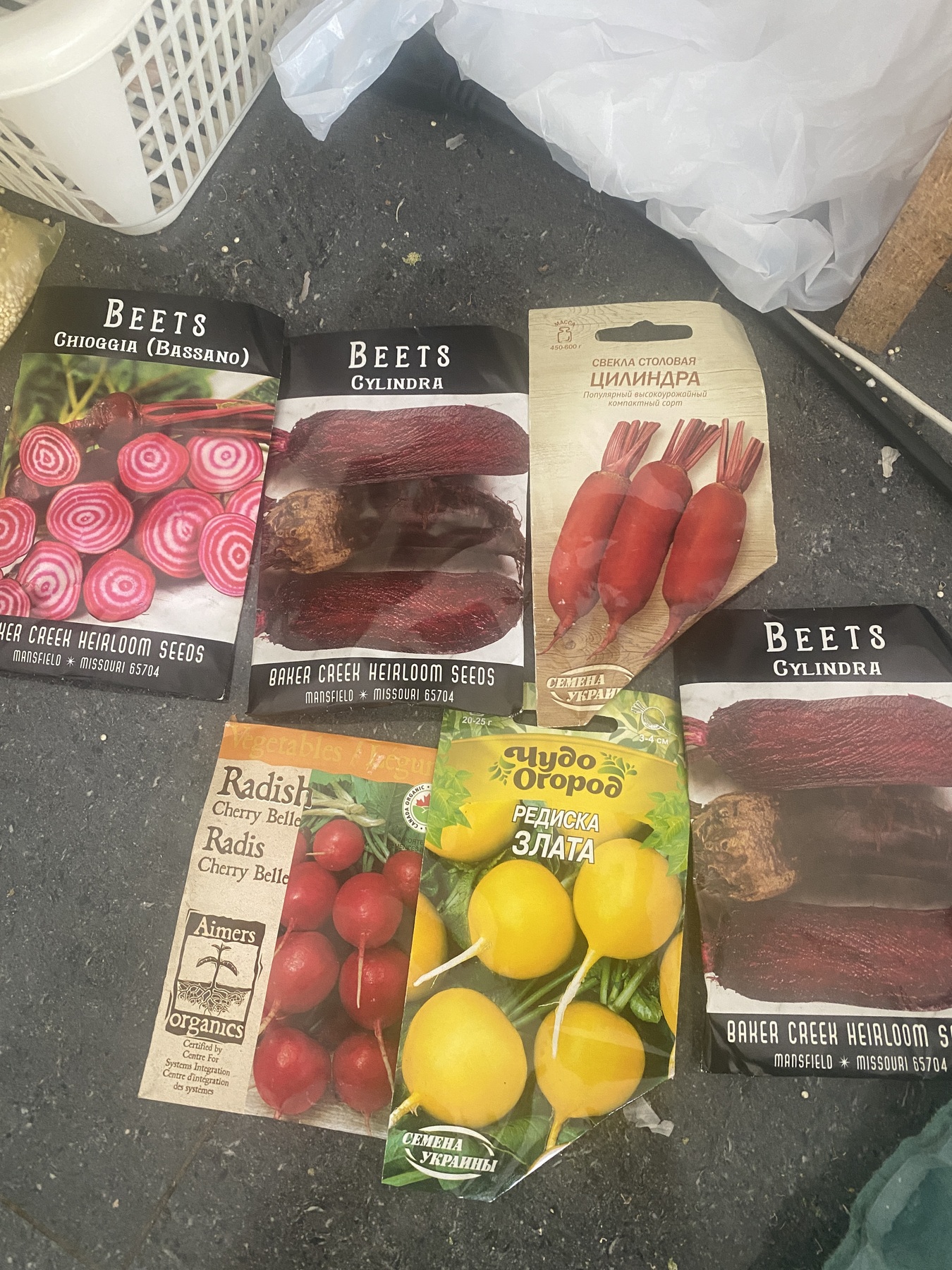
The Chioggia (Bassano) packet shows the concentric pink-and-white pattern that makes this beet recognizable. Those rings are especially clear in a raw cross-section. Cooking can soften or blur the colors, so the packet is a guide to the variety rather than a promise that every cooked wedge will retain a sharp stripe.
Cylindra has a different advantage: its elongated root suits a run of fairly even round slices. In a composed plate, those darker rounds can sit beside wedges of Chioggia. You do not need several additional vegetables to make the serving interesting. The two forms already give you something to compare.
Whole roots can be roasted with their skins on, then peeled when cool enough to handle. Peeled pieces can instead be roasted in a single layer. These choices affect the presentation: a whole cooked root can be sliced cleanly, while cut pieces offer more exposed surfaces.
For a gentler plate, a cooked, tender root is the aim. Check through the center with a fork and give larger roots their own attention. A photograph cannot establish how much fat a kitchen used. If you prefer a preparation without added oil, make that request explicitly and ask which method the cook can offer.
Tahini is ground sesame paste. A lemon-tahini sauce changes that paste into a dressing by adding liquid and seasoning. Lemon may initially make the paste seem thicker; gradually whisked water can loosen it to the consistency you want.
A small bowl alongside the plate gives each diner control. Alternatively, a narrow spoonful beneath the roots leaves their colors visible. Garlic can be a quiet accent rather than the strongest flavor. Sesame is an allergen, and the sauce should be discussed on that basis if anyone at the table needs to avoid it.
A second serving, with a different plate and setting.
Decide whether this is the starter or the vegetable course
A modest beet serving can open a meal. A larger portion can become the vegetable component beside cooked high-altitude Andean trout, baked tofu, or a grain-and-legume dish. Those are proposed combinations, so choose according to appetite and what the kitchen can actually prepare.
If you add quinoa or tarwi, let the roots remain visible instead of burying them under a large mixed bowl. Sauce on the side is useful when several dishes already contain dressings. This serving idea has not been tested as a measured recipe; the linked recipes provide complete methods if you want to cook from quantities.
Wayra's published Betarragas combines roasted, raw, and creamy beetroot components with toasted seeds, strawberry vinaigrette, and kale. Its live-linked menu file is labeled 2024, so confirm the current dish. Casa Ichu's Betarraga lists Greek yogurt, green apple, and mint; it does not specify the beet's cooking method.
These menus show how restaurants give beetroot a composed role. Neither establishes that the roots are Chioggia or Cylindra, and neither is a source for the lemon-tahini plate pictured here. Ask about added sweetener in the strawberry dressing or yogurt if that affects your choice.
Let a precise ingredient story be enough
A named seed variety makes a more useful story than a broad claim that every vegetable is a superfood. Baker Creek describes its range as open-pollinated and non-GMO, while its FAQ says its seeds are not certified organic. The separate organic-labeled Aimers packets in the collection identify those seed products, not the cultivation of these beets.
For a Sacred Valley meal, ask which roots are available, where that batch was grown, and how they will be prepared. The answers can be simple. What matters is that the plate you order and the story you are told describe the same food.
Early Wonder offers another option beside the ringed Chioggia (Bassano) and elongated Cylindra. OSC describes Early Wonder roots as round to semi-globular, so wedges are a useful starting point for a composed serving. The cook can keep those wedges separate from Cylindra rounds, letting each piece reach tenderness without forcing different roots into the same cooking schedule.
Suitable beet leaves can become a small cooked accompaniment rather than a decoration under the roots. Ask for them washed and gently cooked, with any firm stalks given separate attention. That creates a second texture from the vegetable without requiring a large mixed salad or a stronger sauce. The actual leaves need to be in good condition and pleasant to eat.
For a complete hotel lunch, roast duck could sit beside warm beet wedges and a plainly cooked quinoa portion. Serve the lemon tahini in a small bowl, where it can season a forkful without covering the roots. The beets contribute their own sweetness; a honey glaze would change the direction of this savory plate.
A useful ordering detail is temperature. Warm roots make this a cooked vegetable course; chilled roots create a cooler salad alongside the duck. Either can work, but the kitchen should choose deliberately. Keep the beet juices apart from the tahini until serving if you want the pale sauce to remain distinct. A little lemon at the table lets the guest adjust acidity after tasting the roots.
Restaurant references
These published combinations offer useful comparisons. They do not establish that the restaurants use the photographed seed varieties or can prepare the illustration.
Wayra, Sol y Luna · Betarragas
Roasted, raw and creamy beetroot, toasted seeds, strawberry vinaigrette, kale.
Roasted and raw components explicit; seeds toasted. Confirm creamy ingredients and dressing sugar/oil. Full recipe, preparation fat, garnishes and restaurant substitutions are unverified.
Urubamba. The saved menu file is labeled 2024 and shows no valid-through date. Confirm the current dish before reserving; the illustration depicts a separate serving concept.
Beetroot cooking method not specified. Confirm beet preparation and dressing; yogurt includes dairy. Full recipe, preparation fat, garnishes and restaurant substitutions are unverified.
Cusco; Undated live menu, checked October 12, 2026. A menu reference, separate from the pictured serving concept.
These additional meals keep the photographed varieties distinct. The kitchen prepares the food; the images suggest combinations to discuss, rather than a tested menu.
Roast duck with Early Wonder beet and kiwicha
Illustrated complete meal: Roast duck with Early Wonder beet and kiwicha
Ingredient serving: Early Wonder
Early Wonder supplies a solid-red beet contrast to striped Chioggia. A few tender burgundy wedges could sit beside duck, with ordinary red flesh visible at the cut rather than invented pink-and-white rings. Their rounded origin is easier to follow in wedges than in tiny dice. A separate small sauce bowl leaves most of the root uncovered, allowing the guest to choose how much creamier texture to add.
A small mound of cooked kiwicha gives the roast duck another texture beside the tender beet. An optional savory sauce could combine the cooked vegetable puree with a little food-grade cooked maca powder; the cook can adjust the amount to keep the vegetable’s flavor clear.
A proposed serving, with preparation and supply to be confirmed by the kitchen.
Food can give the days around Machu Picchu a welcome sense of place. If you would also like time for reflection, explore a Sacred Valley retreat before or after your visit. Florian Rolke offers The SoulSearching Experience, a five-day seminar for 8-15 participants, with no plant medicine.
Ask for the current dates, venue, price and inclusions before arranging the rest of your trip. These dishes, restaurant visits and garden visits are ideas to explore; they are not confirmed seminar inclusions.
Questions about this dish
Adapted from public cooking questions and published FAQs. Answer sources are linked below each response. Broader ingredient questions are included where they help with this serving.
What should accompany beets with tahini?
Beets with lemon tahini work well beside grilled chicken, cooked fish or baked tofu. Greens can add contrast to the tender roots. Tahini contains sesame, so check that it suits everyone eating the meal before choosing this sauce.
Yes. Keep the roasted beets, tahini sauce and greens separate in the refrigerator, then assemble near serving. This helps prevent a soggy salad. If the sauce has thickened while chilled, stir in a little water until it pours comfortably.
You can roast whole beets with their skins on and rub the skins away after cooking. For a tray of smaller pieces, peeling first is another approach. Choose the method that suits your intended slices or cubes, then check tenderness.
No. Beets can go directly into the oven without preliminary boiling or steaming. Cut pieces and whole roots need different cooking plans. Choose one method, allow enough time for the centers to soften, and check before adding the sauce.
Pierce a beet with a fork to check that it is tender through the center. Timing varies with size, so test the larger pieces too. The finished texture matters more than reaching a particular number of minutes in the oven.
Canned or other precooked beets can be a convenient shortcut, although they will not have the same texture as freshly roasted pieces. Check the ingredients for added sweeteners, and season to taste before combining them with the tahini sauce.
Yes. Golden beets offer a different color and flavor direction for the same general dish. They do not need to taste identical to red beets to work with lemon tahini. Cook to tenderness and adjust the finished seasoning after tasting.
Reheat cooked beets in the microwave or oven, keeping the greens separate until serving. If the beets were frozen, thaw them overnight in the refrigerator first. They can also be served without reheating when appropriate.
Seasoning before a covered roast is part of that particular cooking method. The Love and Lemons recipe developer also recommends adjusting the seasoning after peeling. Taste the prepared beet before adding more salt, especially when the tahini sauce is already seasoned.
Yes, beet skin can be eaten, although its texture may be tougher than the flesh. Wash the roots thoroughly before cooking, whether you intend to peel them or not. For a smoother sliced-beet presentation, removing the skins remains an option.
Roasted beets retain an earthy character while developing sweetness and a tender texture. Lemon adds a sharper note, and tahini gives the sauce a creamy, nutty character. Taste the combination before adding further seasoning rather than assuming every beet batch tastes alike.
Yes, cooked beets can be frozen for later use. Cool, peel and portion them before packing. University of Georgia preservation guidance describes boiling before freezing; roasted-beet recipes use a different preparation. Follow the method you choose rather than combining instructions.
No. Baker Creek describes Chioggia as mild, tender and sweet, and people differ in how strongly they notice its earthy flavor. Taste the cooked roots before dressing them. A restrained amount of lemon tahini lets you judge that particular batch.
Tahini can become very thick when lemon juice is first mixed in. Keep whisking while adding cold water gradually; the sauce should loosen as enough liquid is incorporated. Tahini is sesame paste, so this dressing contains the sesame allergen.
Tahini varies in flavor between jars and brands. Taste the plain paste before making the sauce so you know whether you enjoy it. If it seems unpleasantly bitter, choose another jar rather than trying to hide it. Taste alone cannot establish safety.
Straining is a way to make a smoother sauce with a gentler garlic flavor. Cookie and Kate infuses lemon juice with garlic, then removes the solids. It is a texture and flavor choice; follow the preparation you prefer consistently.
Does tahini sauce start with sesame seeds or prepared tahini?
Use prepared tahini, which is ground sesame paste. Tahini sauce is that paste mixed with ingredients such as lemon juice and water until it reaches a dressing consistency. Whole sesame seeds cannot simply replace the paste in the same sauce instructions.
Rinse the roots before peeling or cutting, rubbing away dirt under safe running water. Rinse the greens carefully as well, and use clean utensils and surfaces. FDA advises against soap or produce washes. Washing reduces contamination without guaranteeing that raw produce is safe.
Vinegar adds tartness that can contrast with the beet's sweetness and earthiness. It is optional for a basic roast. If you are serving lemon tahini, taste that combination first: the lemon already supplies acidity, and extra vinegar may not be needed.
Is a microwave step necessary before oven roasting?
No. A microwave step can be one cooking approach, but direct oven roasting is also possible. Choose a complete method suited to whole roots or cut pieces. In either case, check that the beets are tender before finishing the dish.