Branching shoots can be the most graceful part of a broccoli plate. Their long stems deserve as much care as the flower buds.
An illustrated serving concept in an Andean hotel setting.
Alpaca loin with sprouting broccoli
Small florets and their tender stems make a different accompaniment from a large broccoli crown. Serve them beside the alpaca with a little quinoa; soften the garlic and let lemon supply the final sharpness.
Explore alpaca in the ingredient guide. Confirm the actual preparation and availability with the kitchen.
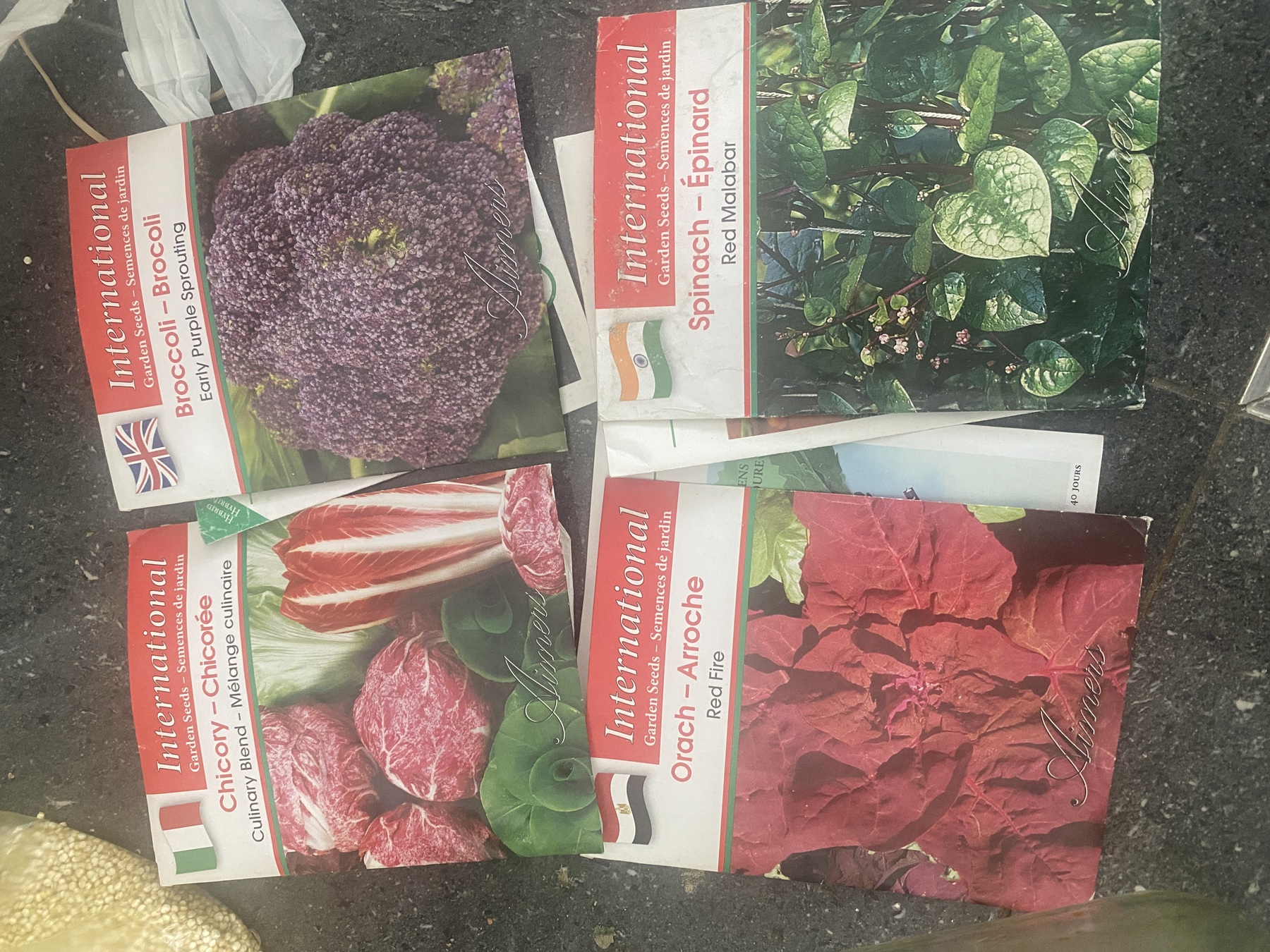
Sprouting broccoli is well suited to steaming, with thick stalks started before delicate tips. Early Purple Sprouting and Green Sprouting are the packet names in this collection. Serve the cooked shoots beside alpaca and quinoa; purple pigment may change during cooking.
The featured ingredient, served on its own.
Illustrated serving concepts and an imagined Sacred Valley garden. These are not photographs of a named restaurant, a current harvest, or a tested recipe.
Two sprouting packets, one clear purpose
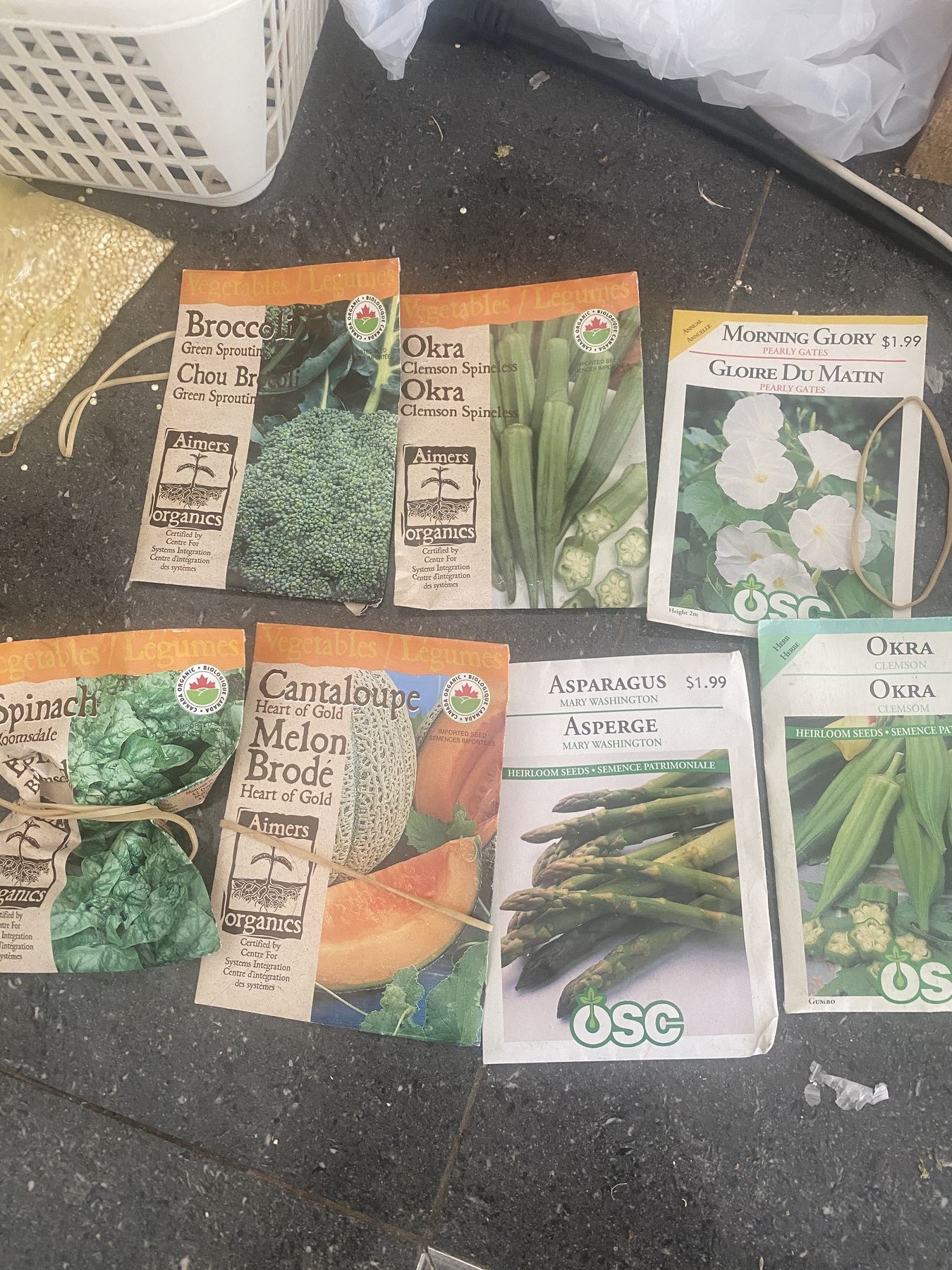
The photographed Early Purple Sprouting and Green Sprouting packets point toward a plate of slender shoots. They should not be replaced in the story by a giant green crown simply because that is the most familiar broccoli shape. Nor should they be labeled Chinese broccoli: the collection's Yod Fah belongs to a separate crop group.
The useful comparison is between bud color and branching form. Purple is a feature to recognize in the raw crop, not a guarantee of the finished plate's shade. A cook should work toward good texture even when heating changes the appearance. Name the variety only when the harvested batch has been identified.
Inspect the lower stalk before cooking. A young slender shoot may need only a neat trim; a thicker piece may have fibrous outer skin worth peeling away. Splitting a thick stalk lengthwise brings its size closer to that of the smaller shoots.
Steam the broccoli with enough attention to keep the stalk tender and the buds attached. The longest stalk is the part to test. A crown can look vivid while its stem remains unpleasantly firm. At a restaurant, asking for tender stems is more precise than asking for broccoli to be cooked perfectly, since preferences for firmness vary.
An original dinner concept pairs the sprouting shoots with cooked alpaca, a modest serving of quinoa, and a lemon wedge. Arrange the meat to one side, with the broccoli stems pointing in the same general direction. Leave enough space that the branches can still be seen.
Ask the kitchen which cut and cooking method it uses for alpaca, and whether a plain preparation is possible. The proposal does not establish local sourcing or a restaurant's current menu. Its purpose is to make the vegetable a real part of dinner rather than a token green element beside a large meat portion.
Choose a finish that leaves the buds visible
Lemon and chopped parsley offer a direct finish. A small bowl of sesame dressing is another option, but sesame should be declared and the sauce need not coat every branch. A very thick cheese sauce would create a different dish with a different emphasis.
If you want no added sugar, ask about the dressing rather than relying on its savory name. If you prefer no added oil, steamed broccoli can be requested plainly. The final decision belongs with the kitchen's actual preparation. A menu description or a food image cannot establish the amount of fat or sweetener used.
A warm second course can use the stalks
For a second presentation, slice peeled cooked stalks into coins and serve them with white beans in a shallow pool of clear vegetable broth. Set a few whole shoot tips above the beans. This gives the stalk a useful role without making a second version of the same dinner plate.
Keep the broth light enough to show the vegetables. This is also an option when the available broccoli has broader stems than the imagined lead serving. It is a proposed composition, not a measured recipe, and it does not depend on disguising imperfect or spoiled produce in soup.
Broccoli is harvested for unopened flower buds. Once those buds open, the crop is at a different stage, and the intended compact texture has changed. Many plants continue making side shoots after the main head is cut, although the amount and timing depend on the variety and growing conditions.
A packet cannot establish how a sprouting cultivar will perform at a particular Andean site. A grower would need to assess temperature, planting season, water, and local pests. The illustrative garden should therefore show the branching plant clearly while leaving harvest promises to an actual cultivation record.
When you are planning a Sacred Valley stay, this plate offers a useful question for a hotel: can dinner include a substantial portion of gently cooked vegetables? The answer matters more than a long list of impressive ingredients. Broccoli is only one possible answer.
The SoulSearching Experience is a five day retreat in the Sacred Valley. Use these food guides to choose meals around that visit and the rest of your Machu Picchu itinerary. They do not confirm a retreat menu, a garden tour, or a restaurant booking. Ask about those arrangements separately when you plan.
A table within a longer stay
Food can give the days around Machu Picchu a welcome sense of place. If you would also like time for reflection, explore a Sacred Valley retreat before or after your visit. Florian Rolke offers The SoulSearching Experience, a five-day seminar for 8-15 participants, with no plant medicine.
Ask for the current dates, venue, price and inclusions before arranging the rest of your trip. These dishes, restaurant visits and garden visits are ideas to explore; they are not confirmed seminar inclusions.
Questions about this dish
Adapted from public cooking questions and published FAQs. Answer sources are linked below each response. Broader ingredient questions are included where they help with this serving.
Store raw broccoli?
Keep raw broccoli refrigerated and protected from drying out. Wash before preparation and judge its condition rather than treating the purchase date as a complete quality test.
Freezing can alter the texture, especially after poor packaging or repeated temperature changes. Frozen broccoli works well in cooked dishes, but should not be expected to behave like a fresh raw shoot.
Both can work in soup. Fresh stalks and frozen florets have different textures and preparation needs; follow the frozen product's cooking directions rather than assuming it is ready to eat.
A forum photograph cannot establish whether your broccoli is safe. Inspect and wash the actual produce, and reject spoiled or otherwise questionable material instead of relying on the appearance of a different crown.
Is a broccoli that already turned yellow anyhow harmful?
Yellowing often marks aging or flowering and can reduce quality. It is not, by itself, a complete safety test; slime, mold, damage, and handling history also matter.
Heat and acidity can dull broccoli's green pigment. Avoid unnecessary holding and prolonged cooking, and offer lemon at service when you want to preserve the green appearance.
Bag arrangement and excess liquid can interfere with sealing. A standard steam is a simpler option for this serving; vacuum sealing is not required to achieve a tender stalk.
Look for spoiled, slimy, mushy, or moldy material and consider how it was stored. A photograph or smell check cannot guarantee safety, so discard produce with a doubtful condition or history.
Is there a way to lessen the unpleasant smell of steamed broccoli?
Long cooking can intensify the familiar brassica smell. Prepare close to service and cook to the texture you enjoy instead of leaving the broccoli hot for a long time.
Why does the broccoli at Chinese take-out restaurants have a crunchier texture than those bought at supermarket and grocery store salad bars?
Cooking time strongly affects the texture. A restaurant may briefly cook broccoli and serve it promptly, while a salad bar batch may have softened during a longer cook or hold.
How briny should the water be when soaking broccoli to remove bugs?
Separate the branches, inspect the buds, and rinse with safe running water. A salt soak should not be presented as a guarantee that every insect or pathogen has been removed.
Has there been some change in the varieties of broccoli sold in US supermarkets in the last few years?
The forum question describes a particular shopper's experience, not proof of a nationwide variety change. For this guide the verified packet names are Early Purple Sprouting and Green Sprouting.
Acidity can change broccoli pigments, so a color change after lemon is possible. Add lemon close to eating if preserving appearance matters; do not use color alone to judge freshness or safety.
Pods appear after flowers have opened and been pollinated. The plant has moved beyond the unopened bud stage intended for a tender sprouting broccoli plate.
Side shoot production varies by cultivar and conditions. Sprouting forms are chosen for branching harvests, but no packet guarantees a particular number of cuts at a Sacred Valley site.
What happens to a broccoli plant after it has been decapitated?
Many broccoli plants produce smaller side shoots after the main head is cut. Keep the growing plant healthy and harvest the shoots before the buds open.
Can I save this crop of broccoli that bolted early?
An early bolting plant may still offer a small edible harvest, but it will not reliably return to the intended compact head stage. Identify the source of stress before planning another planting.