Soft roasted pepper ribbons, carved alpaca, and a modest portion of quinoa make a complete savory meal. A separate hot condiment leaves the choice of heat with the guest.
An illustrated serving concept in an Andean hotel setting.
Alpaca with tender roasted sweet peppers
Let the peppers soften until their flesh is easy to cut, keeping several colors visible beside the alpaca. A little quinoa completes the serving. Lemon tahini can be offered separately when sesame suits the diner.
Explore alpaca in the ingredient guide. Confirm the actual preparation and availability with the kitchen.
Ask for roasted sweet peppers beside alpaca and quinoa, with any cayenne seasoning served separately. The collection includes sweet and hot peppers; shape and color cannot substitute for a reliable variety label.
The featured ingredient, served on its own.
Illustrated serving concepts and an imagined Sacred Valley garden. These are not photographs of a named restaurant, a current harvest, or a tested recipe.
Sweetness and heat are separate choices
A bowl of mixed peppers can look wonderfully coherent while concealing very different eating experiences. For this proposed plate, the kitchen would choose a confirmed sweet pepper for the roasted ribbons and keep Long Red Cayenne away from the shared vegetable portion. Guests should not have to discover the distinction after their first mouthful.
Capsaicin creates the heat in pungent peppers. Iowa State explains that capsaicinoids are produced in glands on the placenta, the internal tissue carrying the seeds. Removing that tissue can reduce heat, but it does not establish a predictable mild serving for someone who avoids hot food.
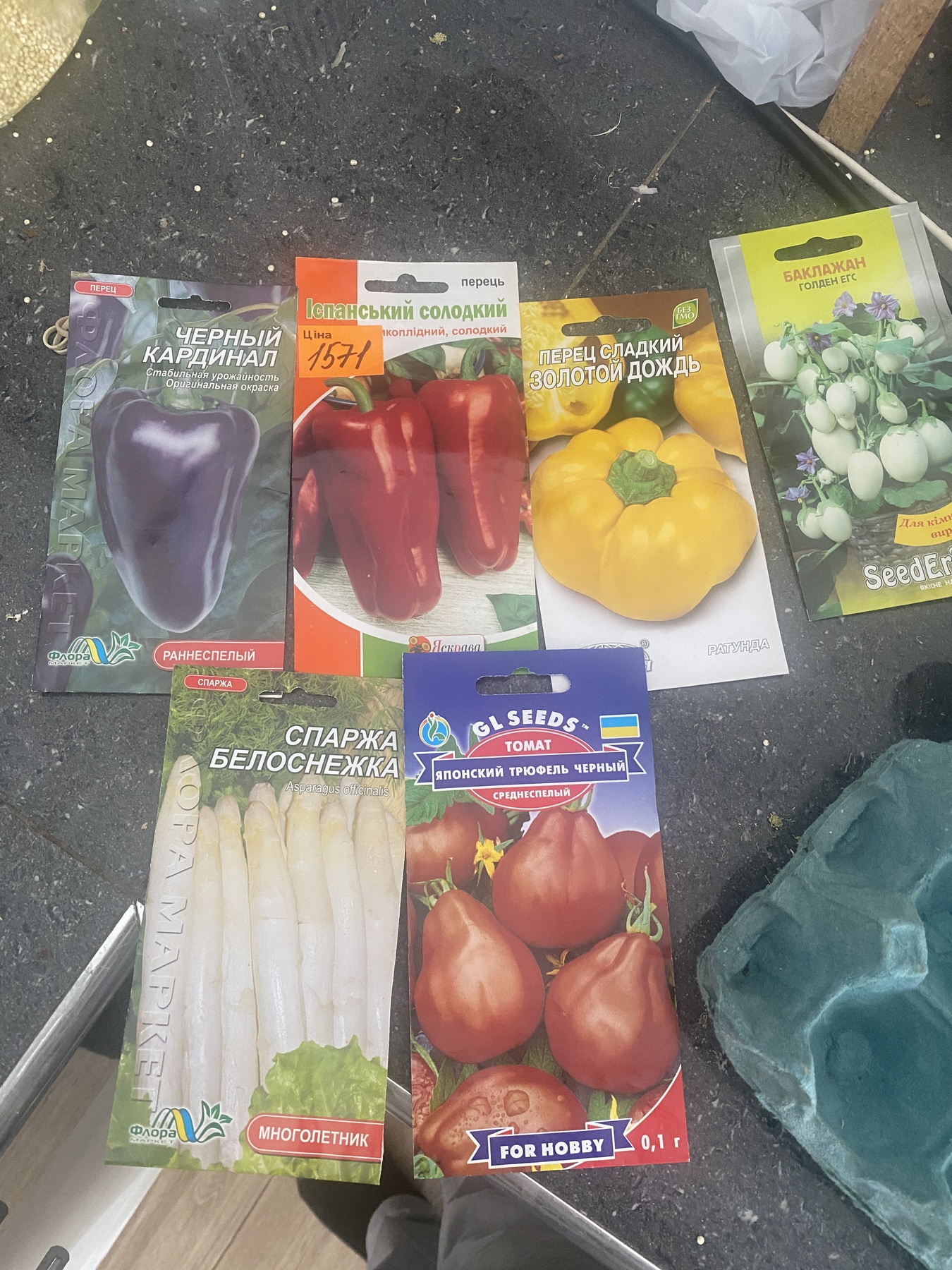
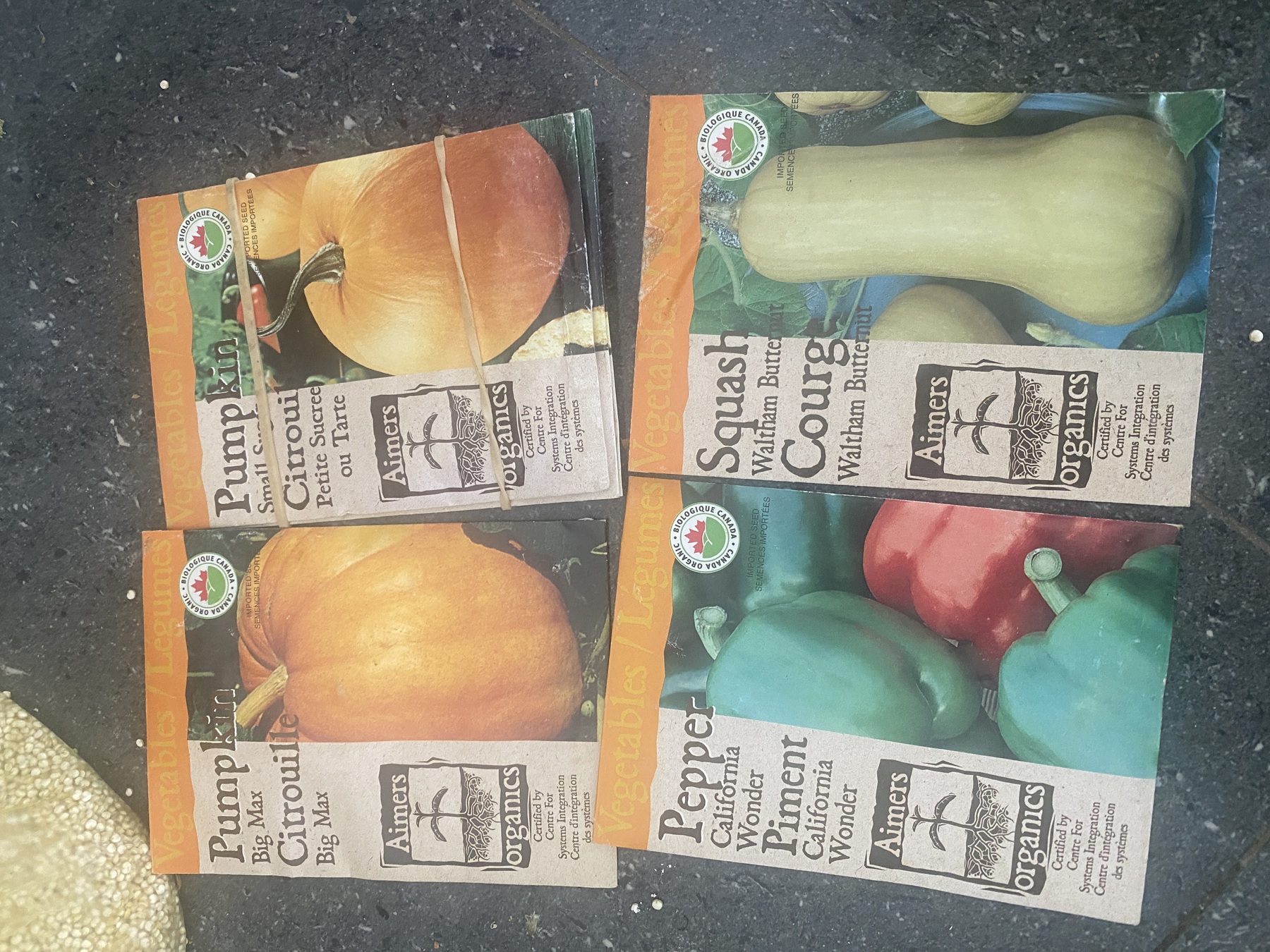
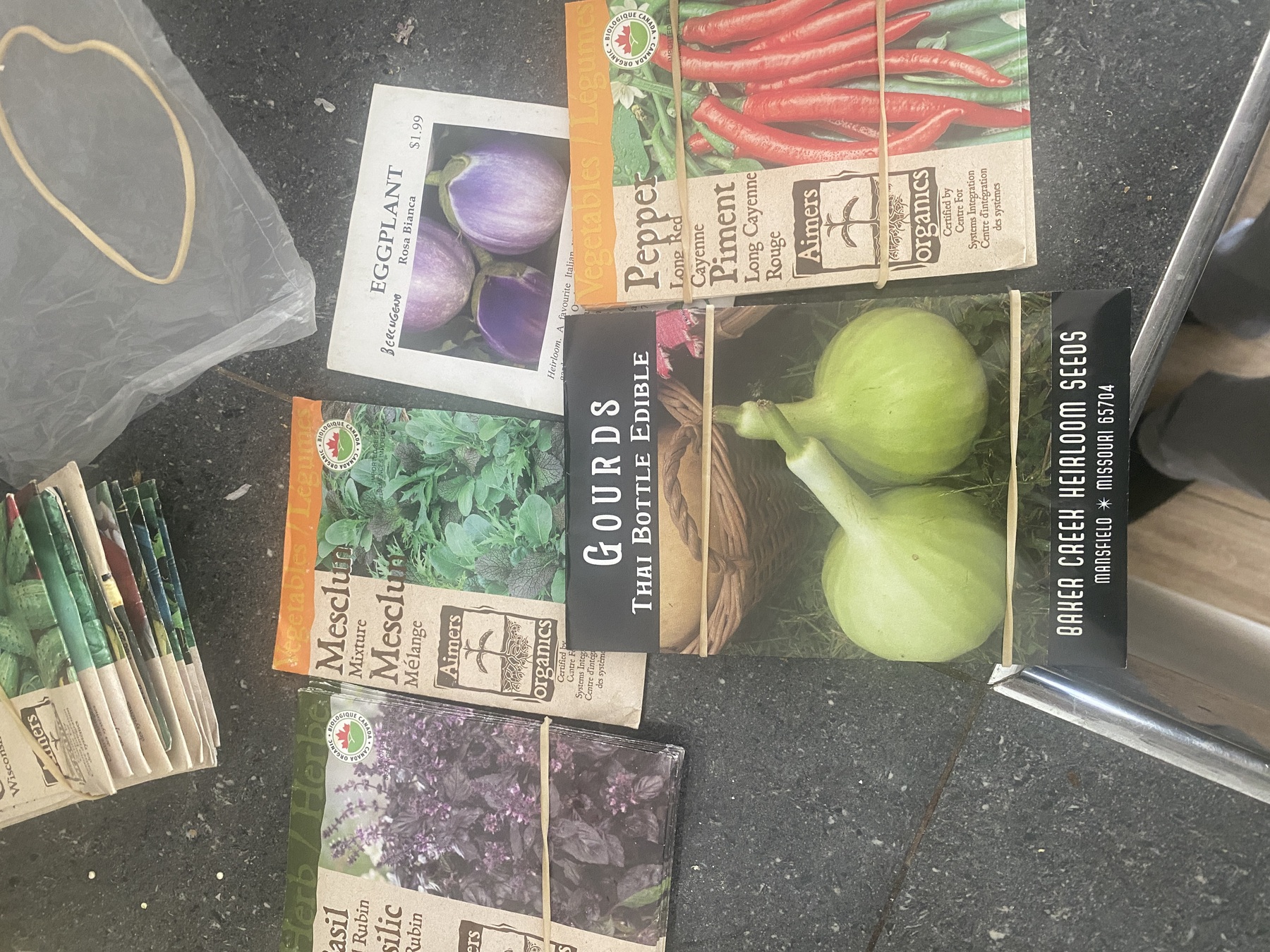
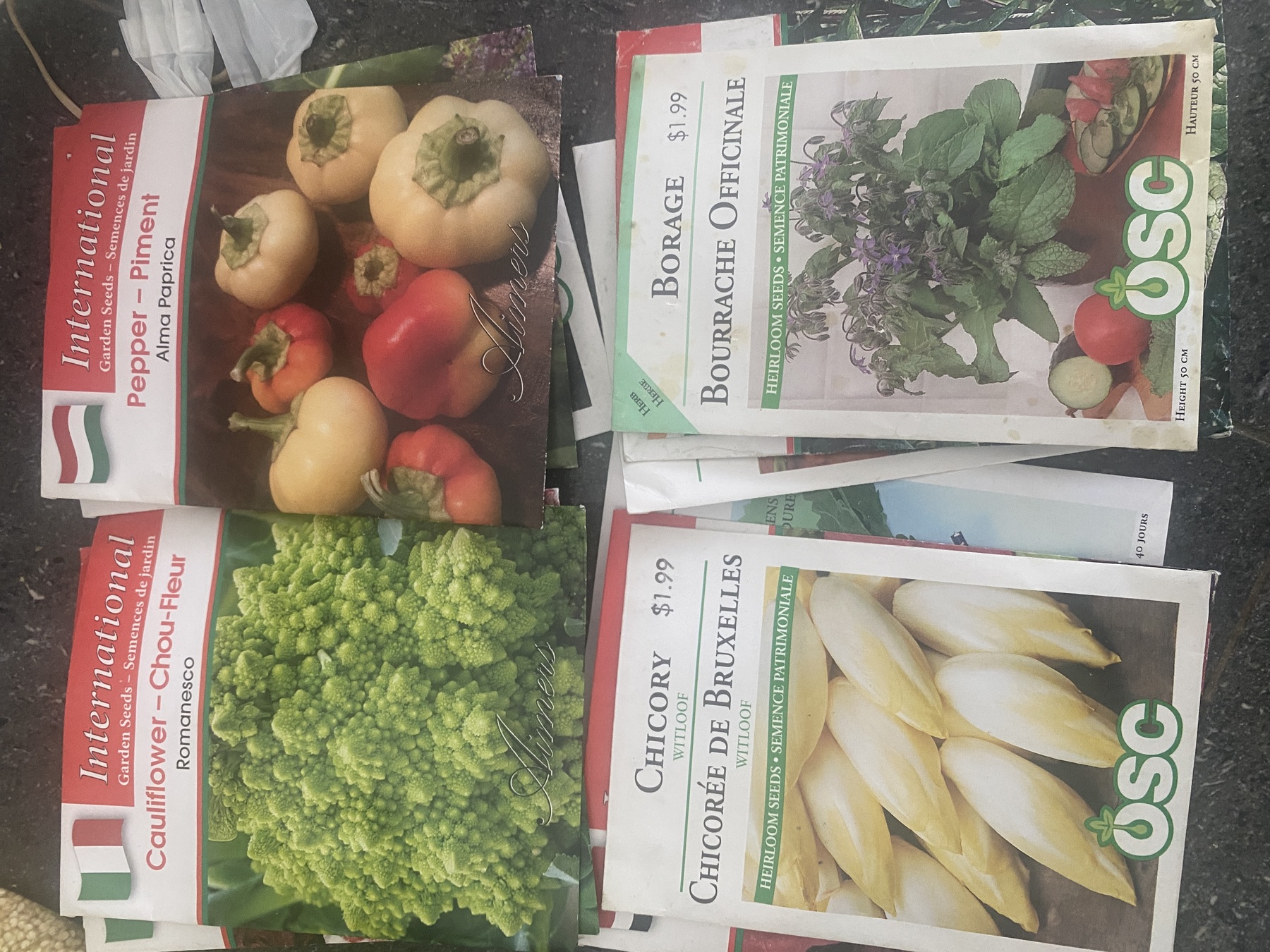
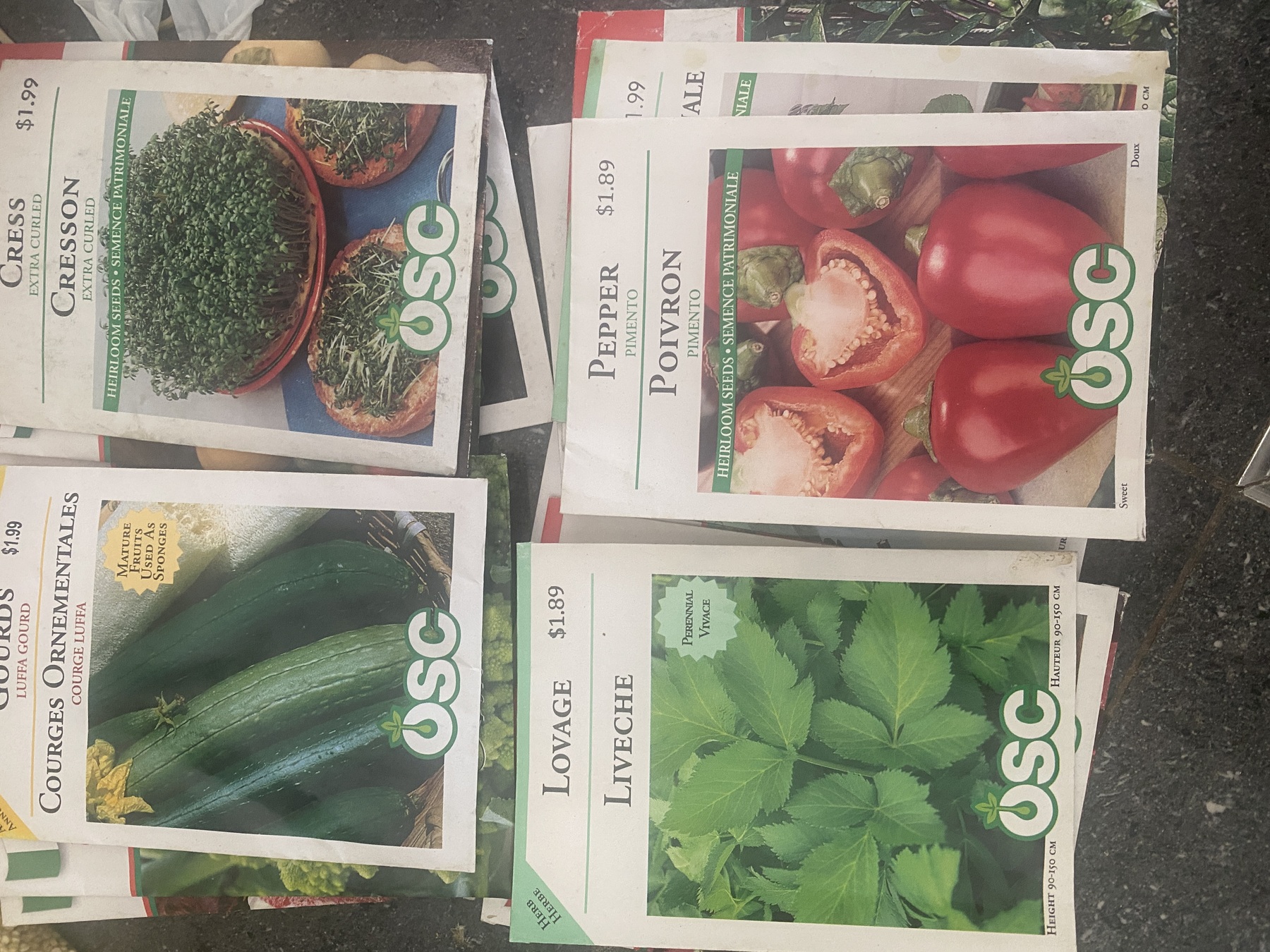
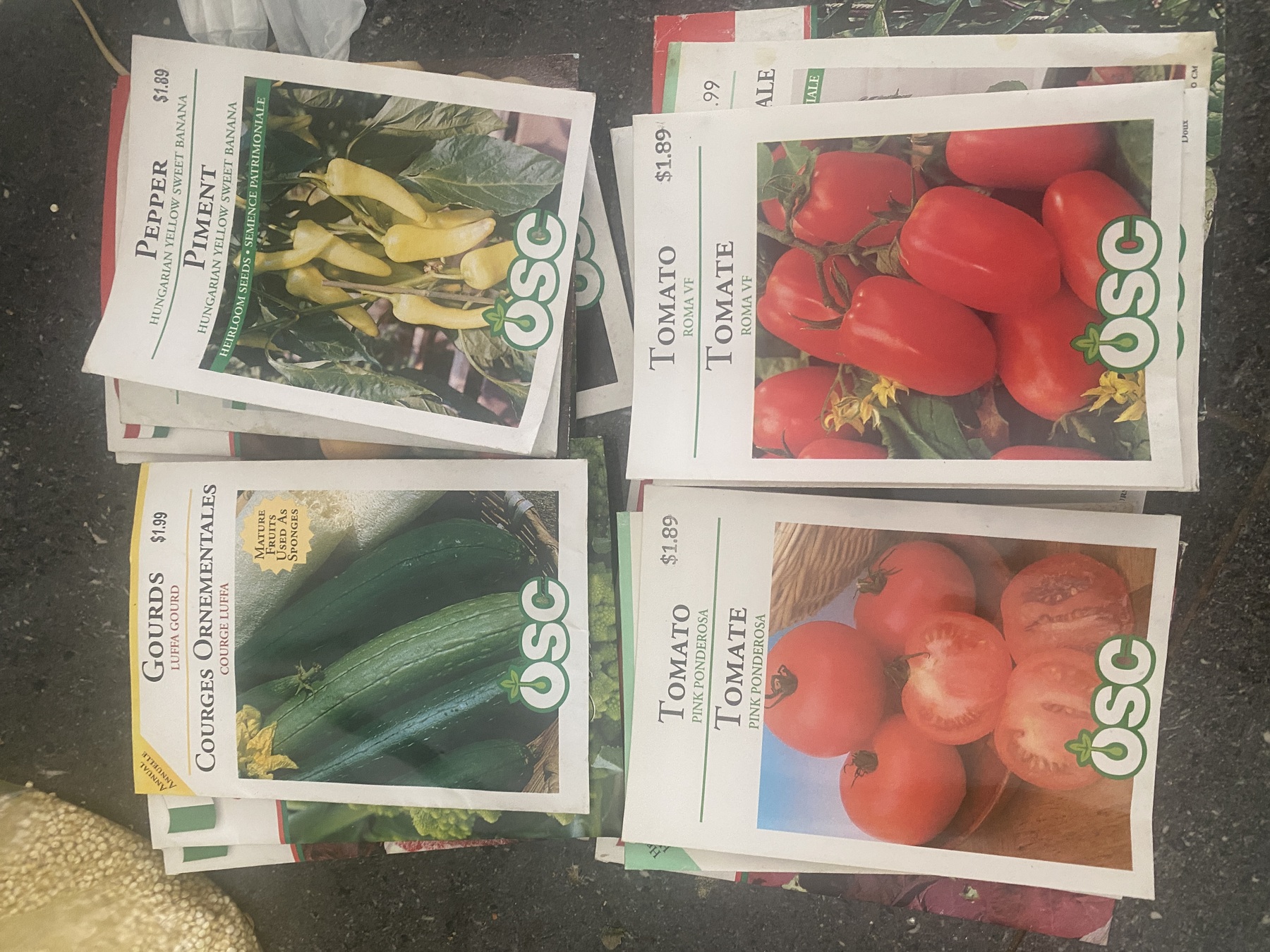
The photographed sweet pepper packets include Black Cardinal, California Wonder, Golden Rain, and Spanish Sweet. There are also Hungarian Yellow Sweet Banana, Pimento, and Alma Paprica, retaining the literal packet spelling. Long Red Cayenne is the explicitly hot entry. These names are records of the collection, not proof of a hotel's shopping list.
Golden Rain also carries the word RATUNDA in Cyrillic. That additional wording is retained as a label detail rather than being promoted into another verified cultivar. Black Cardinal's name alone is not enough to specify the final cooked color, and Alma Paprica should not be promised as completely heat-free without a supplier and batch check.
The serving idea calls for a dry oven roast or a covered bake followed by a brief uncovered finish. It does not require pan frying or a bath of oil. The cook can cut peppers into broad pieces, remove stems and internal seed-bearing tissue, and cook until the flesh is tender enough to slice cleanly.
Roasting can loosen the outer skin. Whether to peel it depends on the texture wanted and the actual pepper. A pile of silky strips needs a different finish from intact pepper quarters. Ask for the preparation you prefer rather than assuming every roasted pepper will arrive peeled.
Carved roast alpaca gives the meal its protein component. Quinoa contributes a separate grain-like element, while the peppers add a soft vegetable portion. Fresh chives or a little parsley could finish the plate without covering the peppers in a sweet glaze. The peppers can sit beside the sliced meat, with a little of their cooking juice spooned over the quinoa. Their soft texture should remain distinct from the meat.
The sauce deserves its own question. A pepper puree can contain cream, stock, or other seasonings that are invisible in the name. If you want a meal without added oil, tell the kitchen directly and confirm how the meat, quinoa, and vegetables will be prepared.
Keep a hot pepper from becoming a surprise
Long Red Cayenne belongs in a clearly named condiment or a separately ordered preparation. The knife and board used to trim hot peppers also need attention before they touch a mild salad. A small amount of accidental carryover can matter to a guest who ordered sweet peppers.
Gloves help protect the cook's skin, and hands still need washing after handling hot fruit. Roasting does not reliably turn a pungent pepper into a sweet pepper. A red color is no guarantee either way: sweet and hot types can both ripen red.
Peppers are warmth-demanding plants with fruit borne above the ground. University growing guides describe the importance of sunlight, warm conditions, and transplant timing. Those requirements are a useful reason to look carefully at a proposed garden site; they do not establish that an untested highland bed will produce all these varieties.
Altitude alone cannot settle the question. Night temperatures, exposure, shelter, and the length of the warm season belong in a local assessment. The packet photograph supplies an identity to investigate. It supplies no evidence of a current Sacred Valley harvest, yield, or restaurant supply arrangement.
A vegetable-rich alpaca plate could fit an unhurried hotel lunch during time in the Sacred Valley. It remains something to discuss with the actual kitchen, including availability, allergies, portion size, and any dietary restrictions. An organic statement on a seed packet does not certify the vegetables or the completed meal.
The SoulSearching Experience is a five-day retreat and seminar for 8-15 people, with no plant medicine. This proposed meal is an editorial illustration of a possible table, not a confirmed inclusion, venue promise, or explanation of what guests will be served.
Restaurant references
These published combinations offer useful comparisons. They do not establish that the restaurants use the photographed seed varieties or can prepare the illustration.
Pietra Restaurant · Quinoto de Vegetales al Grill
Quinoa with grilled zucchini, pepper and eggplant, parmesan, olive oil.
Vegetables explicitly grilled; quinoa risotto style. Confirm no pre-frying, sugar, oil quantity. The menu labels the dish vegan while listing parmesan; confirm the actual preparation if this matters to you. Full recipe, preparation fat, garnishes and restaurant substitutions are unverified.
Cusco; undated; observed 2026-10-12. A menu reference, separate from the pictured serving concept.
Alpaca tenderloin (220 g); one chosen side; included salad of organic lettuce, tomato, grilled onion, bell pepper, avocado, house dressing.
Cooked at the table explicitly. Do not equate this with an explicitly specified grill or appliance. Confirm cooking method/oil; choose published mash side only after verifying recipe; dressing sugar. Full recipe, preparation fat, garnishes and restaurant substitutions are unverified.
Cusco; undated; observed 2026-10-12. A menu reference, separate from the pictured serving concept.
These additional meals keep the photographed varieties distinct. The kitchen prepares the food; the images suggest combinations to discuss, rather than a tested menu.
Roast cuy with banana and Pimento peppers
Illustrated complete meal: Roast cuy with banana and Pimento peppers
Long pale-yellow banana peppers and squat red Pimento peppers make a useful shape comparison on one vegetable plate. Broad cooked pieces can preserve those outlines better than a pile of anonymous strips. Beside cuy, the peppers could be baked gently and served with parsley and garlic. Let their moisture and tenderness lead the preparation, keeping the colors natural and the meat clear of a thick pepper coating.
For the rest of the meal, cooked white quinoa could sit in a small separate mound beside carved roast cuy. Keep sauces modest and separate so each guest can choose how much moisture to add without covering the main ingredient.
A proposed serving, with preparation and supply to be confirmed by the kitchen.
Illustrated complete meal: Roast duck with Golden Rain pepper
Ingredient serving: Golden Rain
Golden Rain has a flattened, lobed yellow form worth retaining in the cut. A broad curved section can keep more of that character than thin strips would. Gently roasted pieces could sit beside the duck with some wrinkled skin visible. A small separate vegetable saucer also gives the pepper room to be seen, instead of reducing a distinctive shape to a token yellow garnish on the main plate.
A complete serving could bring together carved roast duck and cooked canihua, leaving the featured vegetable or fruit enough room to remain recognizable. A few steamed skin-on native-potato halves could complete the warm plate, with the flesh visible at the cut.
A proposed serving, with preparation and supply to be confirmed by the kitchen.
Roast duck with Black Cardinal and California Wonder
Illustrated complete meal: Roast duck with Black Cardinal and California Wonder
Ingredient serving: Black Cardinal, California Wonder
Black Cardinal and California Wonder should not be made identical merely because both are peppers. The former's dark skin and tapered form can be introduced through a small whole-ingredient view, while the latter supplies a blockier bell outline. Their cooked portions will have quieter colors. Serve tender pieces beside the duck without forcing the finished vegetable to remain glossy purple-black or covering every surface with a sauce.
Let cooked red quinoa carry its own part of the meal beside carved roast duck, with the featured accompaniment kept generous and clearly visible. If wanted, offer a little food-grade sacha inchi oil as a cold finish after cooking, never as a frying oil.
A proposed serving, with preparation and supply to be confirmed by the kitchen.
Illustrated complete meal: Roast cuy with Spanish Sweet and Alma Paprica
Ingredient serving: Spanish Sweet, Alma Paprica
Spanish Sweet brings a long, broad red pepper shape, while Alma Paprica offers smaller round forms that change color with ripeness. Broad cooked pieces can keep the comparison readable beside carved cuy. If a sauce is offered, a tiny separate bowl lets the guest decide how much to use. Ask about the actual batch's heat rather than treating every pepper with a sweet-sounding name as completely mild.
Keep carved roast cuy in a modest portion, with cooked white quinoa served where its texture remains easy to enjoy. A few steamed skin-on native-potato halves could complete the warm plate, with the flesh visible at the cut.
A proposed serving, with preparation and supply to be confirmed by the kitchen.
Food can give the days around Machu Picchu a welcome sense of place. If you would also like time for reflection, explore a Sacred Valley retreat before or after your visit. Florian Rolke offers The SoulSearching Experience, a five-day seminar for 8-15 participants, with no plant medicine.
Ask for the current dates, venue, price and inclusions before arranging the rest of your trip. These dishes, restaurant visits and garden visits are ideas to explore; they are not confirmed seminar inclusions.
Questions about this dish
Adapted from public cooking questions and published FAQs. Answer sources are linked below each response. Broader ingredient questions are included where they help with this serving.
How should I store a cut bell pepper?
Refrigerate the unused cut portion in a clean covered container and use it promptly. For the proposed meal, the kitchen should cut and roast an amount it can handle safely rather than leave prepared peppers at room temperature.
Mold, decay, leaking flesh, or obvious spoilage call for rejection. A wrinkled appearance and a single color change need context, but neither a packet name nor cooking can establish the safety of questionable produce.
Dried paprika supplies seasoning, not the moist volume and texture of fresh pepper ribbons. Keep the sweet roasted vegetable portion distinct from a small amount of spice. A replacement changes the dish.
Size does not reliably establish heat. Sweet peppers and hot peppers come in several shapes. Identify the variety and keep the photographed Long Red Cayenne separate from a mild shared portion.
Confused about cayenne pepper, chili powder and paprika
These names do not describe one interchangeable product. Cayenne is a pungent pepper seasoning; paprika varies in heat; a chili powder may be a blend. Check the actual label before seasoning a mild plate.
What will happen if I remove seeds from a chilli pepper before cooking?
Removing the internal placenta and attached seeds can reduce the heat of a pungent pepper. It does not turn every hot pepper into a predictable sweet vegetable. Use a confirmed sweet type for guests avoiding heat.
Thin-skinned varieties may not peel as neatly as thick-walled bell peppers. For this meal, the kitchen can choose a suitable sweet fruit and decide whether intact roasted pieces or peeled ribbons give the better texture.
How can I tell when roasted bell peppers are ready to peel?
The skin should loosen enough to separate without tearing away all the flesh. The exact point depends on fruit and method. Treat it as a texture check, and do not confuse a blistered exterior with a food-safety measurement.
For this serving, roasting is one possible route to loosening the skin; the cook can then peel when the pepper is safe to handle. Raw strips are another preparation. Peeling is a texture choice, not mandatory for every pepper.
How do I properly cut a bell pepper into a medium dice?
A practical approach is to remove the stem and internal seed-bearing tissue, flatten manageable pieces, cut strips, and then crosscut. The hotel guest only needs to specify the desired serving texture.
Remove the stem and interior, then slice manageable pieces lengthwise into strips. Broad roasted ribbons suit this plate better than tiny fragments. Keep hot-pepper cutting equipment from carrying heat into the sweet portion.
How to cook bell peppers until they are VERY tender, but not broken down?
Choose a suitable thick-walled sweet pepper and use controlled cooking rather than assuming more time is always better. Covered baking is a possible kitchen approach; inspect the actual flesh for tenderness and structural integrity.
The difference between green, red and yellow bell peppers
Color can reflect both cultivar and maturity. Many peppers change as they ripen, but every yellow fruit is not simply the same pepper at a universal middle stage. Keep Golden Rain and the other named packets individually identified.
Piece size, fruit thickness, cooking time, and moisture all affect texture. For this plate, ask for tender roasted ribbons. A firm raw salad and a soft cooked pepper are different intended results.
Do roasted and unroasted peppers taste different after slow cooking in soup all day?
Roasting is an additional cooking treatment and can change flavor and texture before simmering. This plate keeps the roasted peppers separate, so their finished texture remains a deliberate component rather than disappearing into a long-cooked soup.
Freezing changes texture, so frozen peppers should not be expected to behave like fresh raw salad strips. For a hotel meal, the cook should judge the actual thawed product and choose a suitable cooked preparation.
Oven roasting is a suitable direction for this proposed meal. Ask whether oil is added and whether the skin will be peeled. A nonfried preparation can still differ from the guest's preference if the seasoning is not discussed.
What happens to the heat/capsaicin content of a pepper when you roast it?
Roasting does not provide a reliable way to turn a hot variety into a sweet one. Capsaicin-related heat needs to be managed by ingredient choice and handling. Keep cayenne separate when a mild meal is requested.
Chili and bell pepper substitute due to allergies?
An allergy needs an individualized substitute, not an automatic switch to another Capsicum. Tell the kitchen the specific restriction and confirm sauces and cross-contact practices. A familiar vegetable outside the restricted ingredient can be discussed with appropriate guidance.
For this proposed alpaca plate, roasted carrot or zucchini could supply a vegetable portion if appropriate for the guest. They will not reproduce pepper flavor. Confirm the reason for substitution and the full recipe with the kitchen.