Glossy green leaves and red stems give Malabar its own identity. In broth, its natural silky texture becomes part of the serving.
An illustrated serving concept in an Andean hotel setting.
High-altitude Andean trout in a light broth with Malabar leaves
Tender Basella leaves and young shoots give a light broth some natural body. Serve them with fully cooked high-altitude Andean trout and keep the portion recognizable. The pictured serving uses the verified edible leaves and shoots, without berries or roots.
Explore High-altitude Andean trout in the ingredient guide. Confirm the actual preparation and availability with the kitchen.
Red Malabar is Basella alba, a heat loving climbing green rather than true spinach. Its leaves and tender shoots are edible and become silky when cooked. Use those identified parts in a light broth with cooked high-altitude Andean trout; this concept does not use the berries or mature woody vines.
The featured ingredient, served on its own.
Illustrated serving concepts and an imagined Sacred Valley garden. These are not photographs of a named restaurant, a current harvest, or a tested recipe.
Resolve the name before choosing the dish
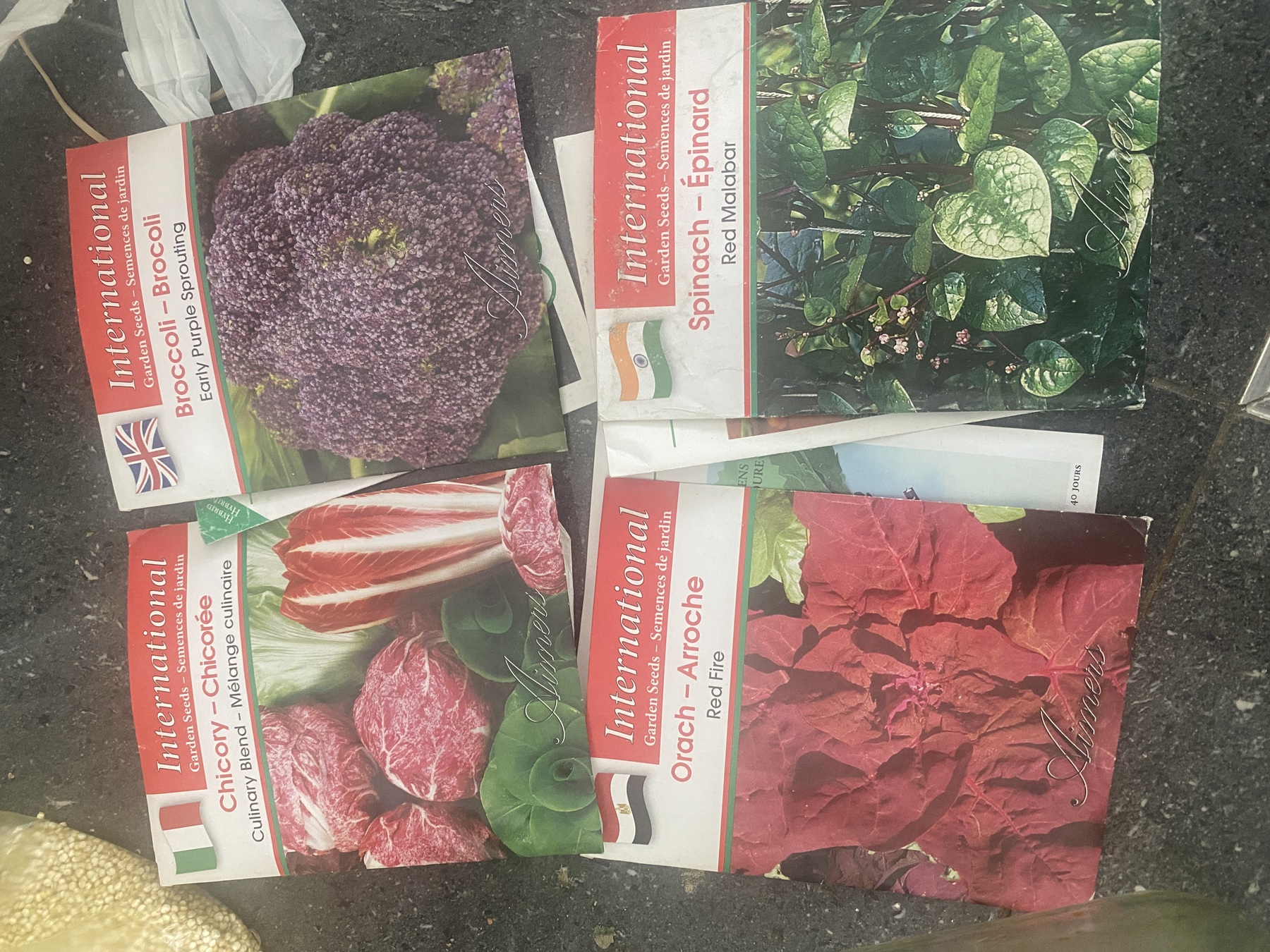
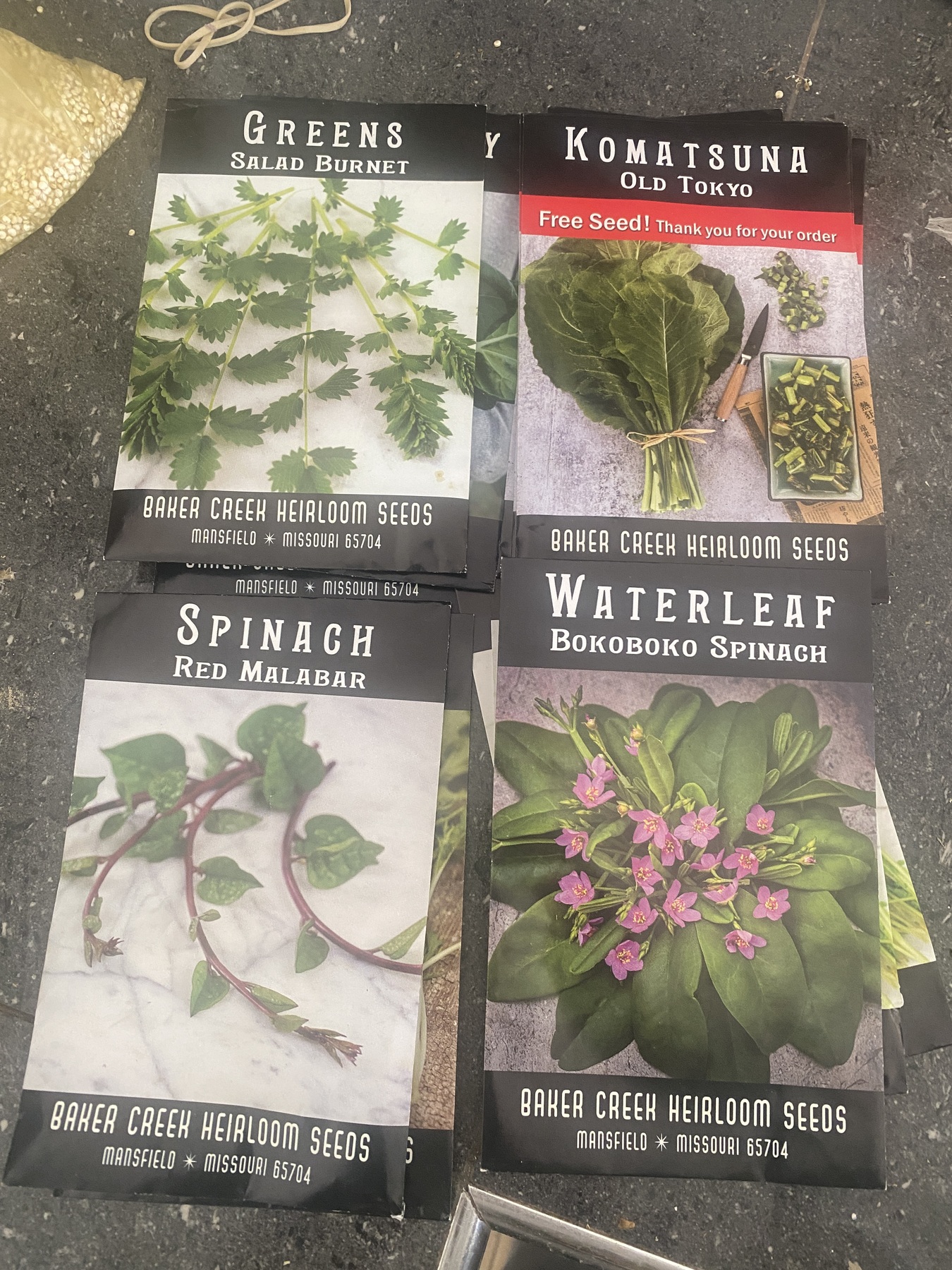
The photographed Red Malabar packet points to Basella alba, often described with the red form name Rubra. It belongs to a different plant group from true spinach, Spinacia oleracea. Its climbing habit and fleshy leaves are useful clues, but a trusted culinary source should establish the identity of the actual crop.
University of Wisconsin Extension identifies the leaves and shoots as edible. Those are the parts used in this concept. The plate does not include berries, seeds, roots, or a decorative vine clipped from an unidentified garden. A seed packet is a planning record, not food safety certification for harvested material.
Malabar has a naturally mucilaginous texture: the leaves can feel slick or silky, particularly when cooked. Some diners enjoy that quality and others do not. It is better to explain it plainly than to promise that the vegetable will behave exactly like ordinary spinach.
A light broth gives that texture a deliberate setting. Keep the serving restrained enough that individual leaves can still be seen. If you strongly dislike the texture of okra, ask to try a small portion first or choose another green. No sauce needs to hide a food characteristic that matters to the diner.
Wash the identified culinary leaves with safe running water and remove damaged material. Tender shoot tips can accompany them. Mature fibrous vine sections do not belong in this delicate bowl simply because young shoots are edible. Trim according to the material in hand.
Chop larger leaves only as much as the serving needs. The aim is a green that is easy to lift with a spoon, not a finely minced mass. If the bunch has been sold under a local name such as alugbati or mong toi, confirm that the supplier means Basella before applying this preparation.
Build the broth around cooked high-altitude Andean trout
Picture a shallow white bowl with a piece of gently cooked high-altitude Andean trout, several Malabar leaves, and a light vegetable broth scented with ginger. Serve a small portion of quinoa separately. The broth remains clear enough to show the fish and the thick leaves.
This is an original Andean hotel dinner concept inspired by the green's use in soups, not a claim of an established local recipe or menu. The kitchen would choose a safe method for cooking the fish and confirm availability. A lightly flavored broth lets a guest notice Malabar's texture without competing with several strong sauces.
A second course can use beans and squash
A savory bowl of properly cooked white beans, tender squash, and a modest amount of Malabar leaf offers another presentation. Add the green as an identified ingredient with its own texture, not as a universal replacement for every leafy vegetable in a recipe.
Keep the pieces distinct and the broth light. This can be a smaller starter or a substantial vegetable course according to portion. The combination is a serving proposal rather than a tested formula. There is no fixed cooking time here because leaf size, shoot maturity, and the actual preparation all affect the result.
Malabar is at home in warm growing conditions and is frost tender. Its tropical origin is a reason to assess a Sacred Valley site carefully. A sunny photograph or a sheltered looking wall cannot establish the night temperatures, soil warmth, or length of a suitable growing season.
The red stemmed vine makes a useful garden illustration, especially on a support that shows its climbing habit. It should be labeled as imagined. A real trial would need observations of local conditions and plant performance before anyone could promise a harvest for guests. Mature seed can also spread, so local management matters.
You do not have to treat an unfamiliar ingredient as a challenge or a remedy. Ask what it tastes like, which parts are served, and how it is prepared. A small well described bowl can be a more welcoming introduction than a list of health claims.
If your visit includes The SoulSearching Experience, the five day Sacred Valley retreat, consider this one possible dinner idea for the wider stay. It does not establish that the retreat serves Basella, that a hotel grows it, or that a garden visit is included. Actual food arrangements should be confirmed separately.
A table within a longer stay
Food can give the days around Machu Picchu a welcome sense of place. If you would also like time for reflection, explore a Sacred Valley retreat before or after your visit. Florian Rolke offers The SoulSearching Experience, a five-day seminar for 8-15 participants, with no plant medicine.
Ask for the current dates, venue, price and inclusions before arranging the rest of your trip. These dishes, restaurant visits and garden visits are ideas to explore; they are not confirmed seminar inclusions.
Questions about this dish
Adapted from public cooking questions and published FAQs. Answer sources are linked below each response. Broader ingredient questions are included where they help with this serving.
Is Ceylon or Malabar spinach the same plant as true spinach?
No. Malabar is Basella, a climbing tropical green; true spinach is Spinacia oleracea. Their textures and growing conditions differ.
Identified culinary Basella leaves can be eaten raw or cooked. This guide chooses a cooked broth, and its naturally slippery texture is worth trying in a small portion first.
Yes, with sufficient root space, drainage, warmth, and a support for the vine. A pot does not remove the need to assess cold nights at a Sacred Valley site.
The supplier ties planting to warmth and frost risk in the relevant Australian region. That seasonal advice cannot be copied unchanged into a Sacred Valley planting calendar.
Basella has naturally mucilaginous leaves and shoots. That silky texture is part of the ingredient, which is one reason a modest amount works well in broth.
It is a tender perennial in a suitable warm climate and is often grown as an annual elsewhere. Cold conditions and site management determine whether a particular plant survives.
The red form has red to purple stems and veins, while the green form is greener throughout. Both are Basella food greens; stem color does not turn them into true spinach.
Discoloration can reflect several stresses or diseases. Inspect the actual plant and growing conditions; do not turn a forum image diagnosis into a promise about your crop.
Healthy Basella can branch from remaining nodes, but cutting to bare ground gives a different result from taking tender shoots. Leave viable growth and assess warmth and plant health.
Warmth strongly affects this tropical green. A seedling can develop slowly before conditions suit it; examine soil warmth, moisture, and roots rather than promising a fixed waiting time.
What should I do about dead patches on Malabar leaves?
Seek an identification based on the actual leaf and growing conditions, and set damaged material aside. Do not serve questionable leaves on the assumption that cooking repairs every problem.
A cut above a healthy node can encourage side shoots in an established vine. Take tender shoots conservatively and leave enough healthy foliage for continued growth.
Use the edible leaves and tender shoots. Mature fibrous vine sections are a poor choice for the delicate high-altitude Andean trout bowl, and this concept does not use berries or roots.
Wash the leaves and tender shoots carefully with safe running water, especially their folds. Then use a modest amount in broth; cooking does not make grit disappear.
University guidance describes a mild leafy flavor with peppery and citrus notes. The fleshy, slippery texture is just as important to the eating experience, and preferences vary.
Take usable leaves and tender shoot tips from an identified culinary plant, leaving healthy growth. A local grower must decide the suitable harvest interval.
Survival indoors depends on warmth, light, space, and plant health. Its frost tender habit is clear; an unheated room or a decorative window is not a growing guarantee.
Some do, while others dislike its mucilaginous texture. A small cooked serving is a useful way to decide; it does not need to be promoted as a remedy or a mandatory healthy choice.
How should an unfamiliar Malabar plant be identified before eating?
Confirm Basella through a trusted culinary supplier or qualified local identification. A red vine in a yard and a forum reply are not enough to establish that an unknown plant should be eaten.
Mong toi is a name used for Malabar spinach, Basella. Confirm the actual product with its supplier; identified leaves and tender shoots can be cooked in soups and other savory dishes.