Tong Ho brings an aromatic, slightly bitter leaf to a clear broth. A restrained serving lets its distinctive flavor reach the table without being buried.
An illustrated serving concept in an Andean hotel setting.
High-altitude Andean trout broth with tender Tong Ho greens
Add the tender edible leaves and stems to a light savory broth, with cooked fish as the center of the meal. The plate honors the greens themselves; a flower garnish is unnecessary.
Explore High-altitude Andean trout in the ingredient guide. Confirm the actual preparation and availability with the kitchen.
Round Leaf garland and Big Leaf Tong Ho belong to the edible green Glebionis coronaria, formerly Chrysanthemum coronarium. Use identified culinary leaves and tender stems, cooked briefly in a light broth beside cooked high-altitude Andean trout. Decorative florist chrysanthemums are not interchangeable ingredients.
The featured ingredient, served on its own.
Illustrated serving concepts and an imagined Sacred Valley garden. These are not photographs of a named restaurant, a current harvest, or a tested recipe.
Begin with the edible plant identity
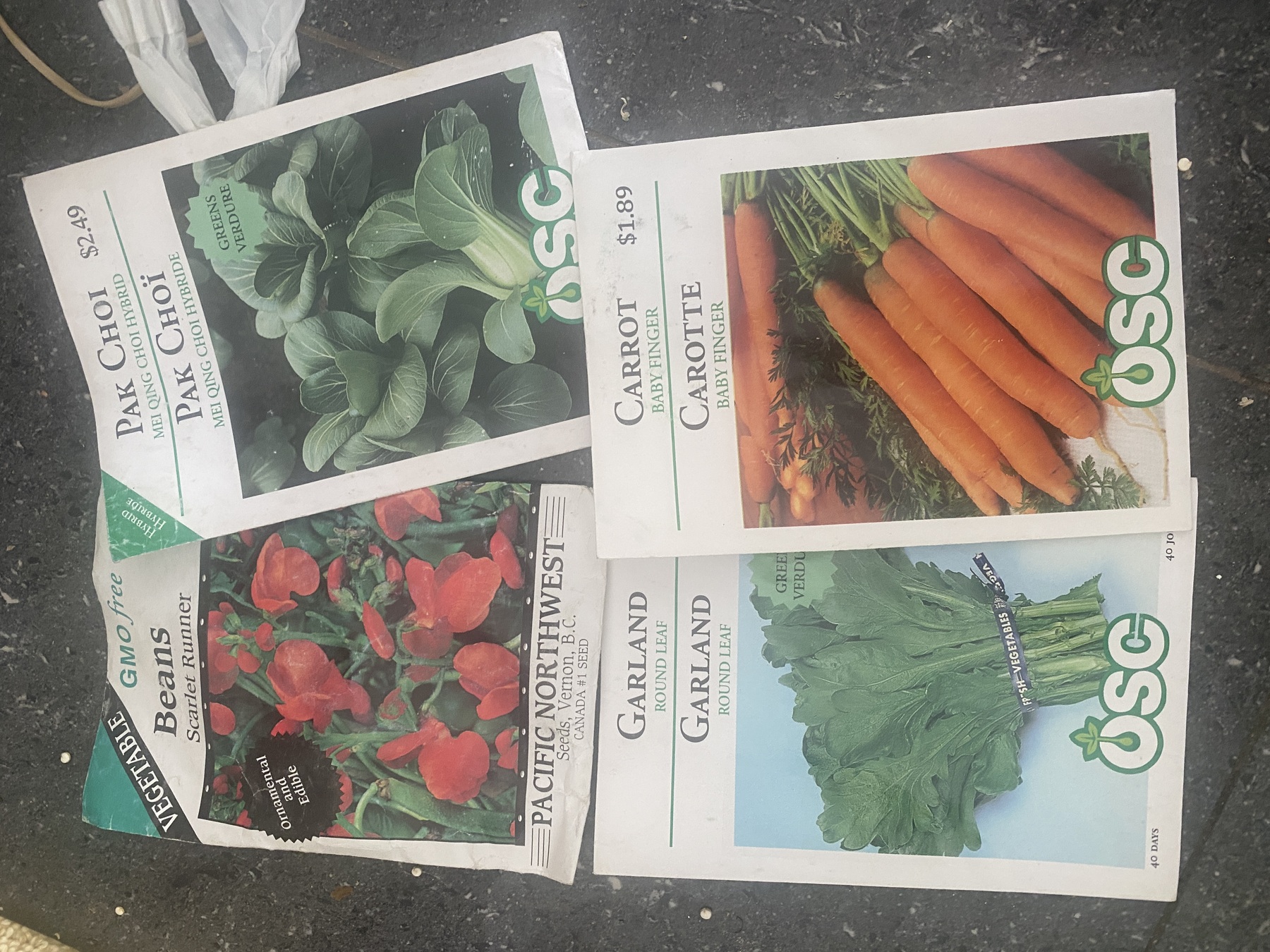
Garland chrysanthemum is Glebionis coronaria, also published under the older name Chrysanthemum coronarium. Tong Ho, Tong Hao, crown daisy, and shungiku are among its culinary names. The photographed packet specifies Round Leaf, a form with broader foliage than the deeply cut small leaf types.
The shared chrysanthemum name is not permission to eat a decorative plant. Use an identified culinary crop from a food supplier. Singapore's National Parks Board lists the leaves and stems as edible, while University of Florida Extension describes Tong Hao as a vegetable. Those sources establish the plant's food use, not the suitability of an unknown florist bunch.
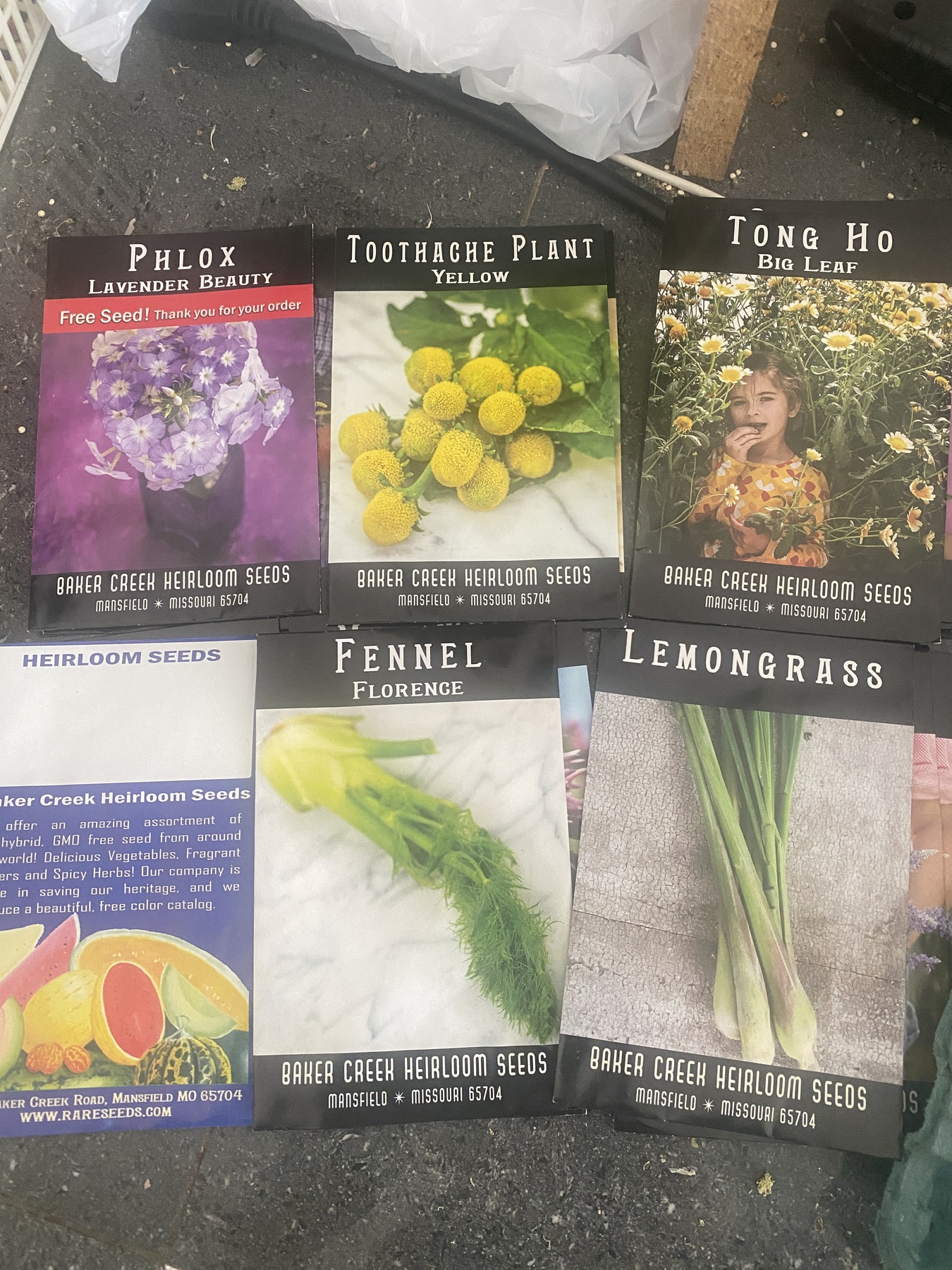
The separate Baker Creek packet labeled Big Leaf Tong Ho appears in photo IMG_8259.JPG. Its supplier explicitly identifies Glebionis coronaria and describes extra large edible leaves, confirming that it belongs with edible garland rather than an ornamental flower owner. Keep Big Leaf and Round Leaf as two photographed packet names; this evidence does not prove they are identical cultivars. The same leaf and tender stem broth concept can accommodate either identified food crop, with larger leaves cut to a manageable size.
Tong Ho has a recognizable herbal aroma and a bitter edge that varies with leaf type and maturity. It is not merely spinach with a different name. A small amount can give a broth a clear identity, so begin with a modest serving when introducing it to someone new.
The Round Leaf form matters here because its broader, less deeply cut leaves deserve to be shown accurately. Descriptions of milder rounded forms are useful context, but they cannot predict the taste of every harvested bunch. Ask what the actual green tastes like rather than promising a universally sweet leaf.
Rinse the culinary greens gently under safe running water and trim damaged material. Remove tough lower stalks. Tender stem pieces can be cut separately and given a short head start before the leaves enter the broth.
The leaf needs less time than a thick stem. Extended cooking can make it soft and reduce the pleasure of the serving. The useful endpoint is tender foliage that still looks like a leaf. This is preparation guidance for a conceptual plate, not a measured recipe with a universal number of minutes for every bunch.
Picture a shallow bowl of light vegetable broth with a piece of cooked high-altitude Andean trout and several just tender Tong Ho leaves. A few pieces of cooked mushroom can support the savory flavor. Offer quinoa in a separate small dish so the broth remains open and easy to see.
This is an original Andean hotel meal concept, not an assertion that Tong Ho is a traditional local ingredient or a current menu item. The fish is cooked for guests before service. Ask the kitchen about its actual method and whether a broth without sweetened sauces or added frying oil can be prepared.
A second plate can use sesame sparingly
For another course, briefly cook the leaves and tender stems, drain them, and arrange a small portion with warm white beans. Offer a little lemon sesame dressing separately. The green's aroma should still be apparent when the diner tastes it.
This idea draws on the familiar pairing of chrysanthemum greens and sesame while giving it a different composed setting. Sesame is an allergen and belongs in the description. The serving does not require a sweet dressing, a fried garnish, or a dense sauce. It remains an untested concept, so use a complete recipe when quantities are needed.
Tong Ho can flower, but the food image here centers on edible leaves and tender stems. A bouquet of large decorative mums would tell the wrong ingredient story. The garden study should show the Round Leaf form during its useful leafy stage.
University and government growing references are tied to their own locations. They do not establish a planting calendar or performance guarantee for a particular Sacred Valley bed. A grower would still need to assess temperatures, water, soil, and local crop management. Possessing the seed packet is the beginning of that investigation, not evidence of a supply agreement with a hotel.
An aromatic green can make a quiet dinner memorable without becoming a health claim or an elaborate event. Ask for a clear description, choose the portion that suits you, and leave room to enjoy the table. A different cooked green is a sensible alternative if Tong Ho is unavailable.
For a visit centered on the five day SoulSearching Experience in the Sacred Valley, this page offers meal inspiration around the itinerary. It does not confirm retreat meals, a venue, a garden tour, or restaurant availability. Keep those practical details separate from the image of what a good dinner might look like.
A table within a longer stay
Food can give the days around Machu Picchu a welcome sense of place. If you would also like time for reflection, explore a Sacred Valley retreat before or after your visit. Florian Rolke offers The SoulSearching Experience, a five-day seminar for 8-15 participants, with no plant medicine.
Ask for the current dates, venue, price and inclusions before arranging the rest of your trip. These dishes, restaurant visits and garden visits are ideas to explore; they are not confirmed seminar inclusions.
Questions about this dish
Adapted from public cooking questions and published FAQs. Answer sources are linked below each response. Broader ingredient questions are included where they help with this serving.
What can replace Tong Ho in a cooked dish?
Spinach can supply a tender leaf texture, but it does not reproduce Tong Ho's distinctive aroma. Treat it as a different green and adjust the serving accordingly.
Baker Creek explicitly describes edible flowers for its Big Leaf Tong Ho, identified as Glebionis coronaria. This broth concept uses the leaves and tender stems. Do not extend a culinary seed supplier's statement to unidentified decorative chrysanthemums.
Young identified culinary leaves can be eaten raw, although their flavor is distinctive. This serving uses a brief cook in broth; ordinary produce handling still applies.
It is the aromatic edible leaf vegetable Glebionis coronaria, also called garland chrysanthemum. It is different from the decorative mums commonly sold for flower arrangements.
Choose conditions suited to a cool season leafy crop and follow the cultivar supplier's guidance. A Northern Hemisphere seed calendar does not establish a Sacred Valley sowing date.
It is commonly started from seed as a leafy annual crop. Keep the packet identity and growing record so the edible planting remains separate from ornamental mums.
Aromatic compounds including alpha pinene and perillaldehyde contribute to the distinctive smell. This is a flavor description, not a claim that the broth treats a health condition.
Yes. The leafy crop later forms daisy like flowers. This guide emphasizes the tender leaf stage rather than a bouquet or a promise that flowering leaves retain the same quality.
Which shungiku types suit whole plant or repeated shoot harvest?
Sakata distinguishes types bred for a whole plant harvest from types suited to repeated side shoot picking. Round Leaf describes the photographed leaf form; it does not by itself establish a particular repeated harvest performance.
A small amount can flavor a clear broth with properly cooked fish, mushrooms, or beans. This guide's high-altitude Andean trout bowl is an original proposal, not a copy of a local restaurant menu.
How would you describe chrysanthemum greens' flavor?
They are aromatic and leafy, with a bitter edge that varies with the leaf and maturity. A small cooked portion lets you decide whether that flavor suits you.
It can be grown in a suitable container with appropriate light, drainage, and growing conditions. Use culinary seed and do not confuse a pot of ornamental mums with this food crop.
Wash the identified edible leaves and use a modest portion in broth or a gently cooked vegetable course. Remove tough stems and avoid prolonged cooking of delicate foliage.
Spacing depends on the cultivar and whether the crop is harvested as young leaves, whole plants, or repeated shoots. Use the seed supplier guidance for the actual Round Leaf packet rather than assuming every shungiku form is identical.
Should leaves and thicker ingredients enter a hot pot together?
Different ingredients need different timing. This high-altitude Andean trout concept is fully cooked for guests, with thicker tender stem pieces given a head start and delicate Tong Ho leaves added near the end.
Mizuna would give a different aroma and peppery character. It can be a separate culinary choice, but it should not be labeled Tong Ho or pictured as Round Leaf garland.
The identified culinary leaves and tender stems are edible. Trim tough lower stalks and cook thicker tender pieces before the leaves in this delicate broth.