The white rib is part of the meal. Give it a little extra time, then fold the dark leaves beside a serving of high-altitude Andean trout.
An illustrated serving concept in an Andean hotel setting.
Baked high-altitude Andean trout with Fordhook chard and lentils
Cook the pale chard stems before adding the softer leaves. Together with lentils, they give the high-altitude Andean trout a substantial vegetable accompaniment. Offer lemon at the table instead of covering the fish with dressing.
Explore High-altitude Andean trout in the ingredient guide. Confirm the actual preparation and availability with the kitchen.
Fordhook chard offers broad green leaves and substantial pale ribs. Cook the chopped ribs before the leaves so both become tender. Serve with cooked high-altitude Andean trout, quinoa, and a small amount of lemon broth; the chard does not need to be fried.
The featured ingredient, served on its own.
Illustrated serving concepts and an imagined Sacred Valley garden. These are not photographs of a named restaurant, a current harvest, or a tested recipe.
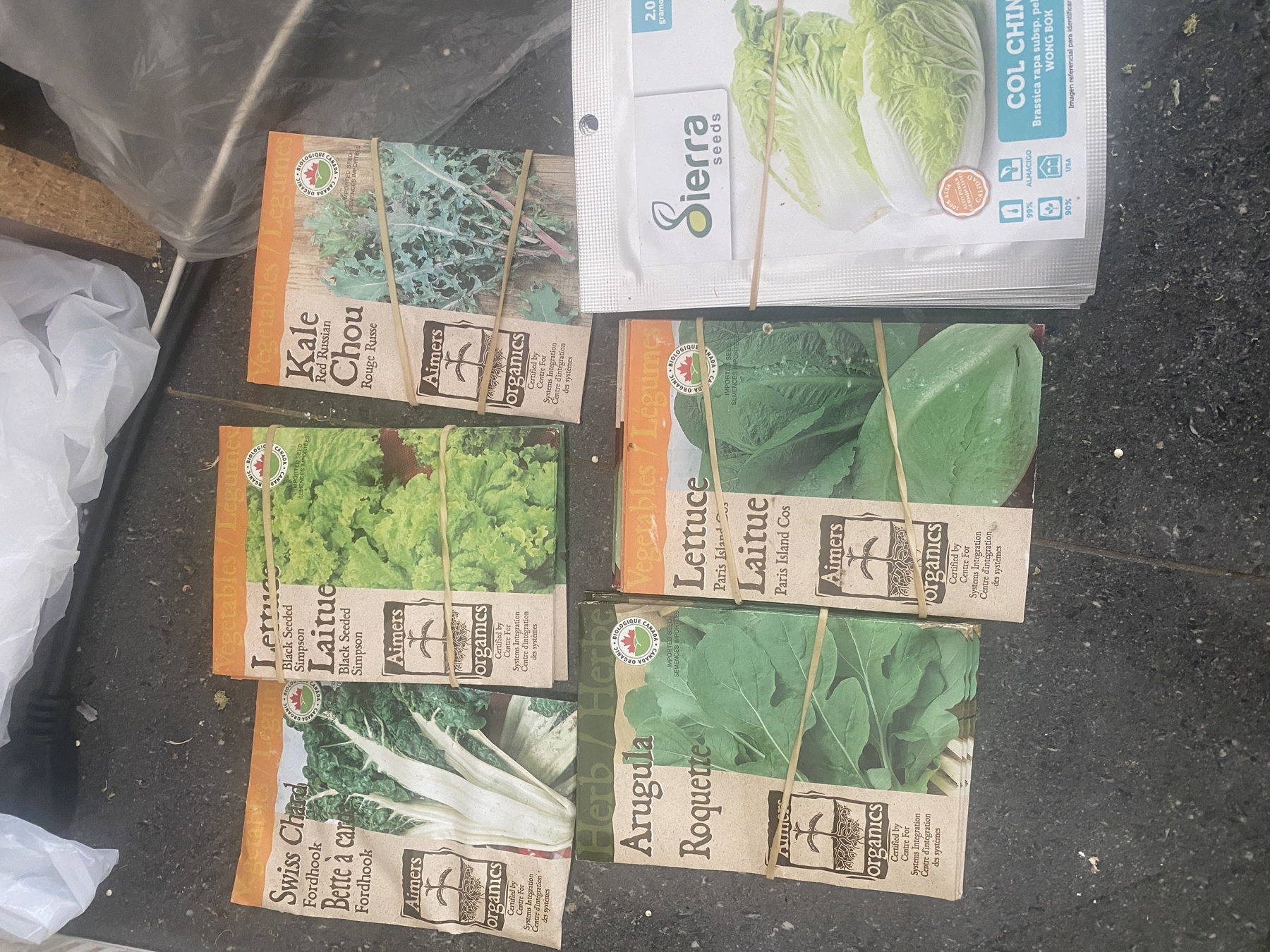
Recognize Fordhook before reaching for rainbow colors
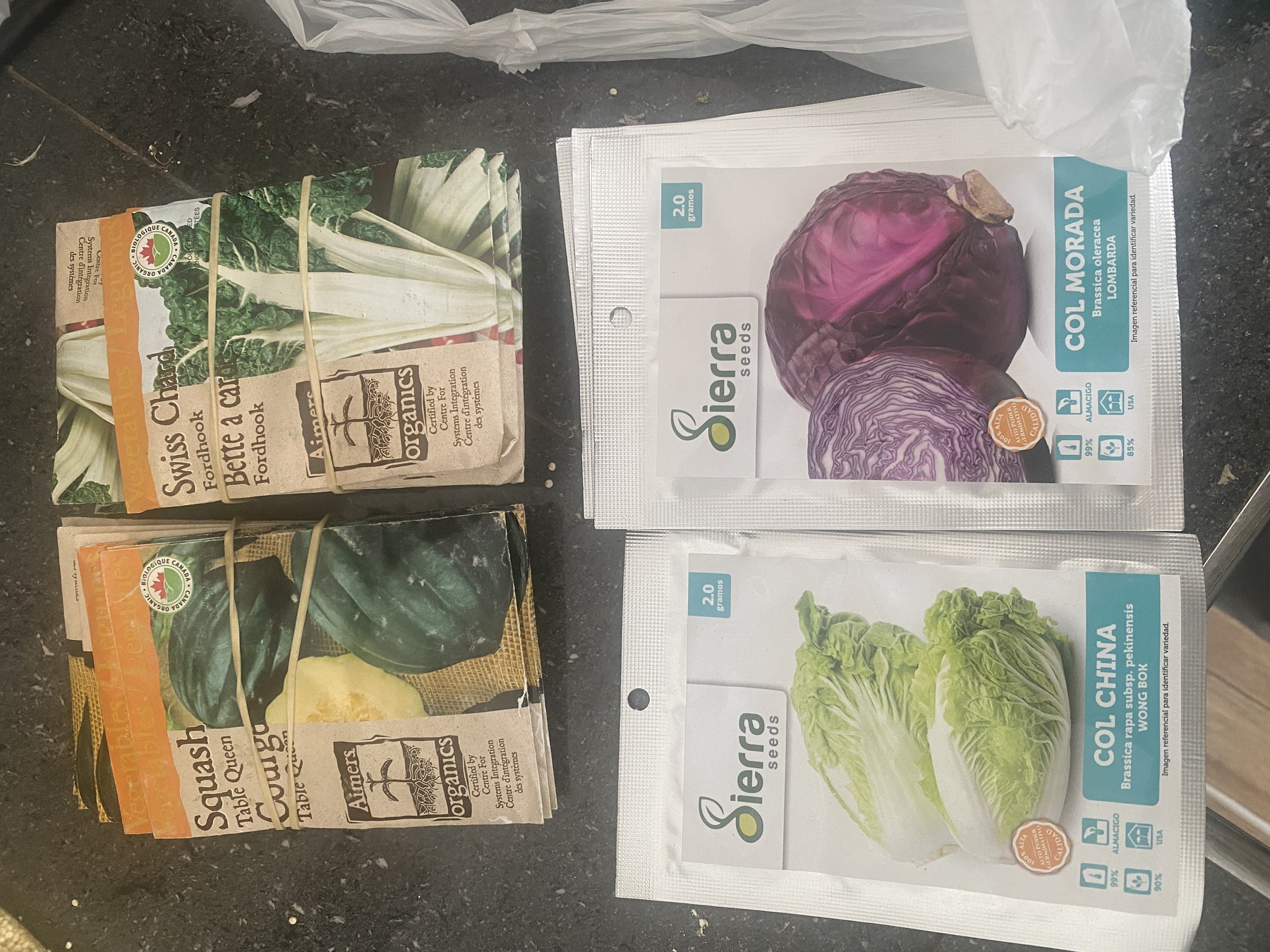
The photographed packet says Fordhook. Its role in this guide is a green leaf with a broad pale rib, not a generic rainbow mixture with red and yellow stems. Chard is the same botanical species as beet, selected for a different part of the plant.
That distinction helps set expectations. A chard serving is about leaves and stalks. It is not a promise of a sweet beetroot beneath the soil. The packet also does not establish that a current restaurant uses Fordhook or that any resulting crop was grown under certified organic conditions.
Fold or lay out a leaf and cut along the substantial central rib. Chop that rib into pieces suitable for a fork, keeping the leafy portion separate. A tough or damaged lower end can be trimmed away rather than forced into the dish.
Begin the ribs in a little simmering broth, then add the leaves once the thicker pieces are nearly tender. This gives each part the attention it needs. The leaves should soften without the ribs remaining stringy. It is a useful request at a restaurant too: tender chard stalks and leaves, gently cooked with the sauce described separately.
Make high-altitude Andean trout the complete meal companion
Picture a cooked high-altitude Andean trout fillet served beside a loose fold of chard and several visible white rib pieces. A small mound of quinoa completes the plate. Pour a little lemon scented vegetable broth around the chard rather than over the fish, so each component remains recognizable.
The idea suits a calm hotel dinner in the Andes without claiming a particular restaurant's preparation. Ask whether the fish is baked or gently poached and whether added fat is used on the greens. The final choice should be based on what the kitchen can actually make that day.
Wash the folds and let the water go
Large leaves and their ribs can hold soil in the folds. Separate the leaves, rinse them under safe running water, and pay attention to where leaf meets stalk. Cooking does not make grit disappear, and a mineral crunch is an unpleasant surprise beside delicate fish.
Drain the greens before plating. Chard releases moisture as it cooks, so a shallow serving with a deliberate small amount of broth works better here than an accidental puddle. There is no need to squeeze every drop out for this preparation, but a cook should decide how much liquid belongs on the plate.
For another course, serve tender cooked ribs on white beans with a few ribbons of leaf folded through. Keep the pieces long enough to notice their texture, while still easy to manage with a fork. Chopped dill or parsley can give the bowl a quiet herbal finish.
This version makes good use of a broad stalk without repeating the high-altitude Andean trout dinner. It can be a starter or a substantial vegetable side according to portion. The beans must already be properly cooked; the short finishing stage for the chard is not a method for cooking dried beans from scratch.
Common names can be misleading. Some red stalked chard is called rhubarb chard, but rhubarb is a different plant and its leaves are not food. Fordhook's pale ribs are no reason to ignore identity either. A culinary planting or a trusted produce supplier should identify what is being served.
In the garden, successive outer leaf harvests can leave younger leaves to develop. That growing habit explains how one plant can produce more than a single cut. It does not establish a harvest schedule for the Sacred Valley, where site conditions and the grower's observations must guide planting.
If you prefer greens soft, say so. If the taste of chard is new to you, a small serving beside familiar fish can be a comfortable introduction. A vegetable does not have to carry a health promise to deserve a place at dinner.
For a Sacred Valley trip that includes The SoulSearching Experience, use this guide as meal inspiration around your plans. The five day retreat does not, through this page, promise high-altitude Andean trout, Fordhook chard, or a garden visit. Confirm actual meals and dietary arrangements directly when the trip is organized.
Restaurant references
These published combinations offer useful comparisons. They do not establish that the restaurants use the photographed seed varieties or can prepare the illustration.
Chuncho · NABOS JAUCHA
Wild turnip leaves, chard, potato, corn.
The menu describes a hot salad of wild turnip leaves, chard, potato and corn. It does not specify whether the vegetables are boiled or sauteed; confirm the preparation and added oil before ordering.
Ollantaytambo. Menu reference checked October 12, 2026; menus can change, so confirm the current dish and preparation before ordering. The illustration is a separate serving concept.
Food can give the days around Machu Picchu a welcome sense of place. If you would also like time for reflection, explore a Sacred Valley retreat before or after your visit. Florian Rolke offers The SoulSearching Experience, a five-day seminar for 8-15 participants, with no plant medicine.
Ask for the current dates, venue, price and inclusions before arranging the rest of your trip. These dishes, restaurant visits and garden visits are ideas to explore; they are not confirmed seminar inclusions.
Questions about this dish
Adapted from public cooking questions and published FAQs. Answer sources are linked below each response. Broader ingredient questions are included where they help with this serving.
Using Rainbow Chard for Spanakopita?
Yes, chard can replace spinach in some fillings, but the flavor and moisture differ. For this guide, use the same leaf and rib separation in a savory bean course instead of a pastry dish.
What helps against astringent mouthfeel from spinach or chard?
Spinach and chard can produce an astringent or chalky sensation for some diners. Cooking and accompaniments change the experience, but choose another green if you dislike it rather than treating a sauce as a guaranteed fix.
Cultivar, leaf maturity, and growing conditions can affect flavor. Tender leaves and a gentle cook may be more agreeable, but not every chard serving will taste mild.
What can I call this Swiss Chard side dish exactly in a menu?
Name the actual vegetable and method, such as gently cooked Fordhook chard with lemon broth. Avoid claiming a regional dish name or cultivar that the kitchen cannot verify.
Chard identity should be confirmed from the actual plant and a trusted source, not a resemblance alone. Fordhook is the photographed packet here; pale ribs and broad leaves are descriptive clues.
Wilting can reflect heat, water stress, root problems, or disease. Check actual soil moisture and plant condition before choosing a response, and do not serve questionable damaged leaves.
Use local cool season conditions rather than copying a foreign month. The university guidance is written for its own region and does not establish a Sacred Valley sowing date.
What’s the difference between Swiss chard and rhubarb?
They are different plants. Chard leaves and stalks are food; rhubarb leaves are not edible, so the nickname rhubarb chard must not be used as an identity shortcut.
Yes, with sufficient root space, drainage, light, and appropriate growing conditions. A broad Fordhook type needs space; a container is not proof of suitability at every site.
Yes, though direct sowing is also common. Time transplanting to actual local conditions and avoid treating a Northern Hemisphere calendar as a Sacred Valley schedule.
Chard is normally biennial, making leaves first and flowers and seed later. It is often grown as a leaf crop for one season; overwintering depends on conditions.
Chard is grown for leaves and stalks. The extension answer describes its root as fibrous and bitter and recommends using the usual above ground food parts.
Can cooked chard be prepared before the day of serving?
It can be prepared ahead with appropriate cooling and refrigerated storage, but reheating softens it further. For a fresh looking high-altitude Andean trout plate, cook the leaves close to service.
Why do chard recipes remove the stems before cooking?
The thick rib cooks more slowly than the thin leaf. Separating them permits different timing; removing a rib from the leaf does not mean the rib must be discarded.