Thin cooked bitter-melon crescents bring a distinct bitter note to a roast duck meal. Tomato and softened onion give the small vegetable course a savory setting.
An illustrated serving concept in an Andean hotel setting.
Roast duck with a small bitter-melon side
Use correctly identified culinary bitter melon for a small cooked vegetable portion, with the seeds and pith removed. Softened tomato and onion give it a savory setting. Its naturally bitter character is a food preference, not a treatment claim.
Explore duck in the ingredient guide. Confirm the actual preparation and availability with the kitchen.
Use correctly identified culinary Momordica charantia, normally harvested immature, with seeds and pith removed for the proposed preparation. Serve a modest cooked portion beside roast duck. Its characteristic bitterness is a flavor choice, not evidence that it treats a medical condition.
The featured ingredient, served on its own.
Illustrated serving concepts and an imagined Sacred Valley garden. These are not photographs of a named restaurant, a current harvest, or a tested recipe.
Recognize a culinary bitter melon first
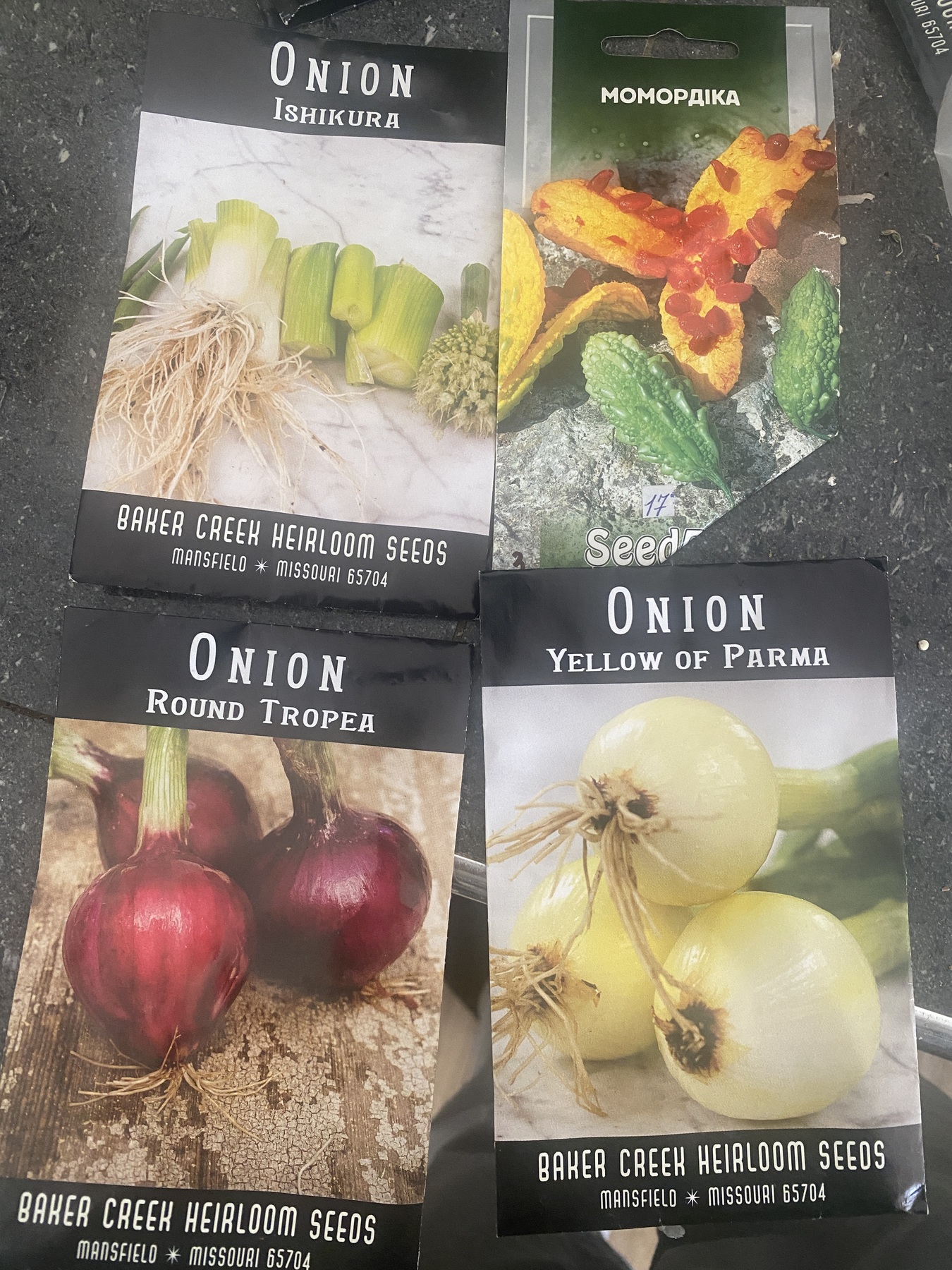
The seed record reads momordica, interpreted as bitter melon, but no named variety is visible. Before food use, the plant needs confirmation as culinary Momordica charantia. A partial brand mark and a handwritten number are not cultivar evidence, and the number is not treated as a reliable seed count.
Bitter melon is also known as bitter gourd or karela. University of Florida describes it as a vegetable crop harvested for immature fruit. Common names can help a conversation with a supplier, but an unknown wild vine or a different Momordica species is outside this meal proposal.
A correctly identified culinary bitter melon is expected to taste bitter. That makes it a distinctive accompaniment rather than a universally pleasing substitute for zucchini. Someone who dislikes bitter greens or citrus pith may prefer another vegetable, and a hotel can discuss that preference before the plate arrives.
This expected flavor must not be used to excuse an unexpectedly bitter bottle gourd or luffa. Those are different ingredients with a different ordinary taste. The fact that related plants share a family does not make their selection rules interchangeable.
Immature green bitter melon is the usual culinary starting point described in the extension guide. The fruit changes color and opens as it ripens. The proposed preparation stays with a verified food-grade immature fruit rather than making a table experiment out of bright ripe parts or mature seeds.
The cook would wash the exterior, cut the fruit lengthwise, and remove seeds and pith before slicing the flesh. This is a defined preparation choice, not a statement that every part of the plant is acceptable for everyone. Roots, seed preparations, and concentrated extracts are not part of the plate.
Make the flavor deliberate without sweetening it away
A brief blanch followed by cooking in a little savory broth is one way a kitchen could explore the texture without frying. Garlic and a small amount of tomato can accompany the bitter crescents. The precise method needs a cook's judgment and a suitable culinary recipe.
Salting or blanching can change the eating experience, but neither should be described as making a wrongly identified or unsuitable plant safe. The dish does not need sugar, syrup, or a rich sweet glaze. A guest can simply choose a smaller bitter component or a different vegetable.
Carved roast duck, plainly cooked quinoa, and a modest bitter-melon portion would create a full meal. A soft roasted carrot or pumpkin component could provide a contrasting vegetable flavor without added sugar. The duck should be roasted, with the actual sauce ingredients discussed if you want to avoid sweetness or added oil.
The bitter vegetable can stay in a small separate portion, so each mouthful of duck does not need the same intensity. The kitchen needs to confirm ingredient availability and dietary needs. A sophisticated plate can still be direct about what it contains.
Culinary bitter melon and clinical advice
Bitter melon is widely marketed as juice, tea, capsules, and extracts. That marketing is not a reason to label a duck dinner a treatment. A vegetable serving and a concentrated supplement are different exposures, and evidence about one should not be silently transferred to the other.
Guests who are pregnant, take glucose-lowering medication, or have a relevant medical condition should discuss unfamiliar bitter-melon products with a qualified clinician. This guide sets no medicinal dose and offers no promise of suitability for everyone. It does not recommend juice or replacing prescribed treatment.
A tropical vine does not promise a highland harvest
The plant's climbing habit, yellow flowers, and textured fruit make a useful garden study. Florida production information describes the crop under its own conditions. It does not establish a Sacred Valley planting schedule or prove that a photographed packet will produce enough food for guests.
A carefully chosen meal could be part of an unhurried valley stay, with the kitchen answering ingredient questions before service. This course remains an editorial possibility, not a confirmed inclusion at The SoulSearching Experience, the five-day retreat and seminar for 8-15 people with no plant medicine. Venue, menus, and dietary arrangements require confirmation.
Food can give the days around Machu Picchu a welcome sense of place. If you would also like time for reflection, explore a Sacred Valley retreat before or after your visit. Florian Rolke offers The SoulSearching Experience, a five-day seminar for 8-15 participants, with no plant medicine.
Ask for the current dates, venue, price and inclusions before arranging the rest of your trip. These dishes, restaurant visits and garden visits are ideas to explore; they are not confirmed seminar inclusions.
Questions about this dish
Adapted from public cooking questions and published FAQs. Answer sources are linked below each response. Broader ingredient questions are included where they help with this serving.
How do I remove bitterness from bitter melon
Correctly identified bitter melon is expected to be bitter. Preparation can change the intensity, but it need not become sweet. For this meal, offer a modest cooked portion or a different vegetable; never use this rule to excuse bitter bottle gourd.
The proposed preparation uses verified immature culinary fruit, washed, split, and cleared of seeds and pith before cooking. It is a vegetable side beside roast duck, not a juice, extract, or supplement.
It has a characteristic bitter flavor. That is an intentional taste choice for a confirmed culinary bitter melon, not a claim that every bitter gourd is safe. Guests who dislike bitterness can choose another vegetable.
It is a warmth-demanding crop, and supply depends on location and growing system. This guide verifies no current Sacred Valley harvest, availability period, or hotel supplier. Ask the actual kitchen what it can source.
For the proposed cooked vegetable, the intended stage is immature green fruit. As it matures it changes color and can open. A fully ripe fruit is a different stage and is outside this specific preparation.
It can be eaten as a vegetable, but it is not a proven replacement for diabetes treatment. Concentrated products and extracts raise separate safety questions. This page makes no promise of suitability for everyone.
This guide establishes no medical dose or universally safe serving. The proposed plate uses a modest culinary side after identification, with individual restrictions discussed with the kitchen and a qualified clinician when relevant.
The ingredient discussed is Momordica charantia, an edible fruit normally treated as a vegetable. The photographed packet still needs species confirmation before its future produce is served. No cultivar is visible.
Food use and medicinal claims are different questions. Memorial Sloan Kettering notes limited clinical evidence and says bitter melon cannot replace insulin or glucose-lowering drugs. This duck plate is not presented as treatment.
What side effects and interactions are reported for bitter melon products?
Memorial Sloan Kettering lists gastrointestinal effects and describes case reports involving concentrated preparations. It also notes medication and pregnancy concerns. The page does not infer a universally safe dose from those reports.
Tell a qualified clinician about botanical products and relevant medicines. Memorial Sloan Kettering highlights pregnancy and possible additive effects with insulin or diabetes medicines. A culinary page cannot provide an individual suitability assessment.
Bitter melon, bitter gourd, and karela are commonly used names. Confirm the species rather than rely on a partial label or a wild vine's appearance. The actual cultivar is not established by the photograph.
How much light does bitter melon (bitter gourd) need?
University production guidance describes a sunny warm-season crop. A local assessment needs actual exposure and temperatures. A generic growing page is not evidence that the seed packet will perform at a particular Sacred Valley site.
How often should I water bitter melon (bitter gourd)?
Use the actual soil, weather, plant stage, and growing system to determine irrigation. Avoid a universal calendar. This guide has no verified local planting or irrigation plan.
What USDA hardiness zone does bitter melon (bitter gourd) grow in?
A U.S. hardiness zone is not enough to assess a tropical vegetable crop in the Peruvian highlands. Warmth, night temperatures, and the growing season all matter. Use local horticultural advice.
Can bitter melon (bitter gourd) survive in low light?
Surviving and producing a useful crop are different goals. Bitter melon is grown as a warm-season sun crop. A shaded bed should not be assumed to yield culinary fruit reliably.
Does bitter melon (bitter gourd) need a grow light?
An indoor crop requires its own lighting and climate design. No indoor production is proposed here. The garden image explains the vine's habit rather than promises a crop from a windowsill.
What is the best soil mix for bitter melon (bitter gourd)?
Use a suitable well-drained growing site and soil assessment. A universal potting recipe is not justified for every climate or container. Follow local crop guidance and verify plant identity independently.
It is a climbing vine that needs room and appropriate support. Actual size depends on cultivar, conditions, and management. The packet has no visible named variety, so a precise promised size would be unjustified.
It can be grown outdoors where conditions suit the crop. That does not establish local hardiness, a planting schedule, or a present harvest. Confirm the actual site and season before planning supply.