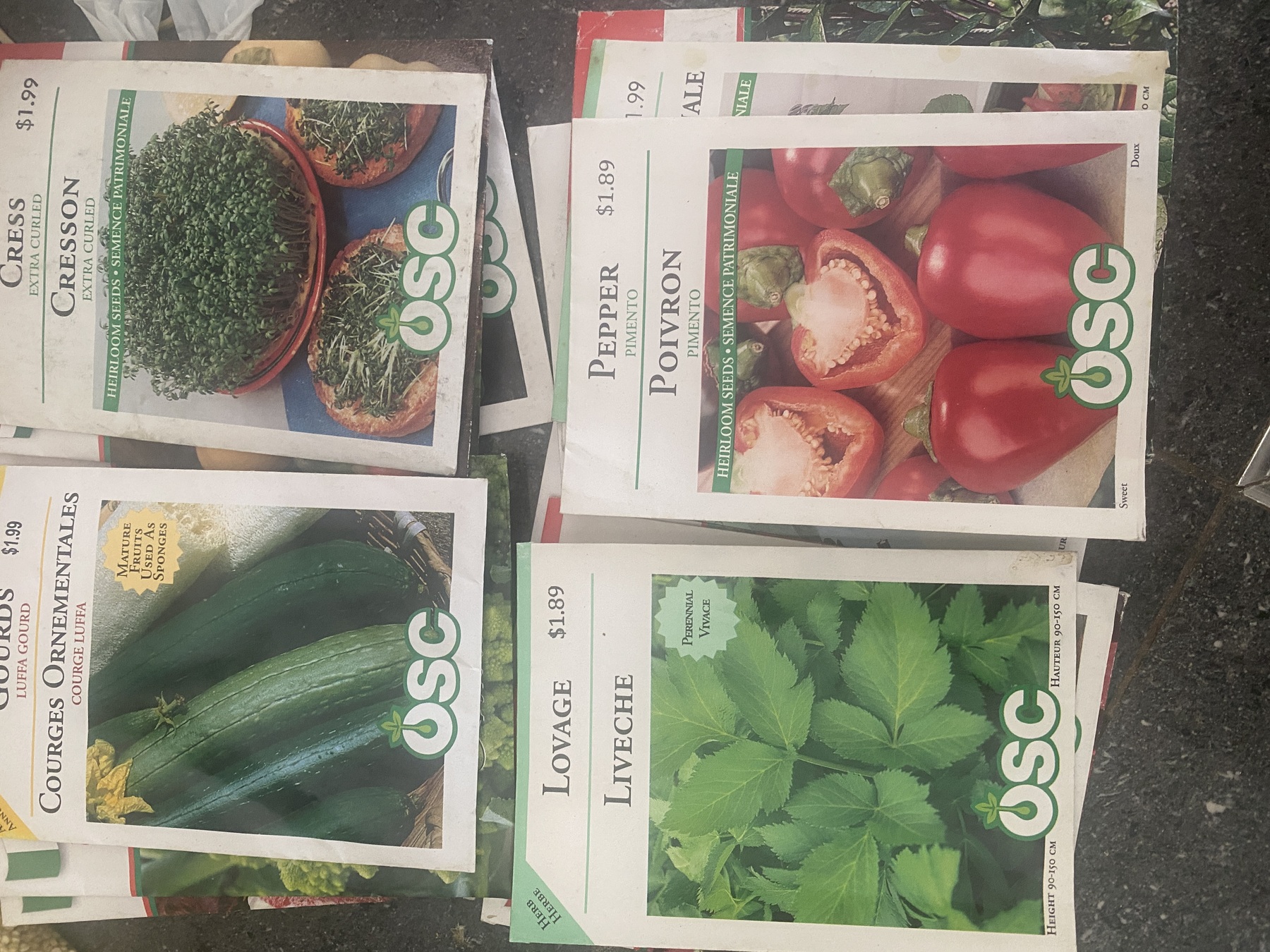
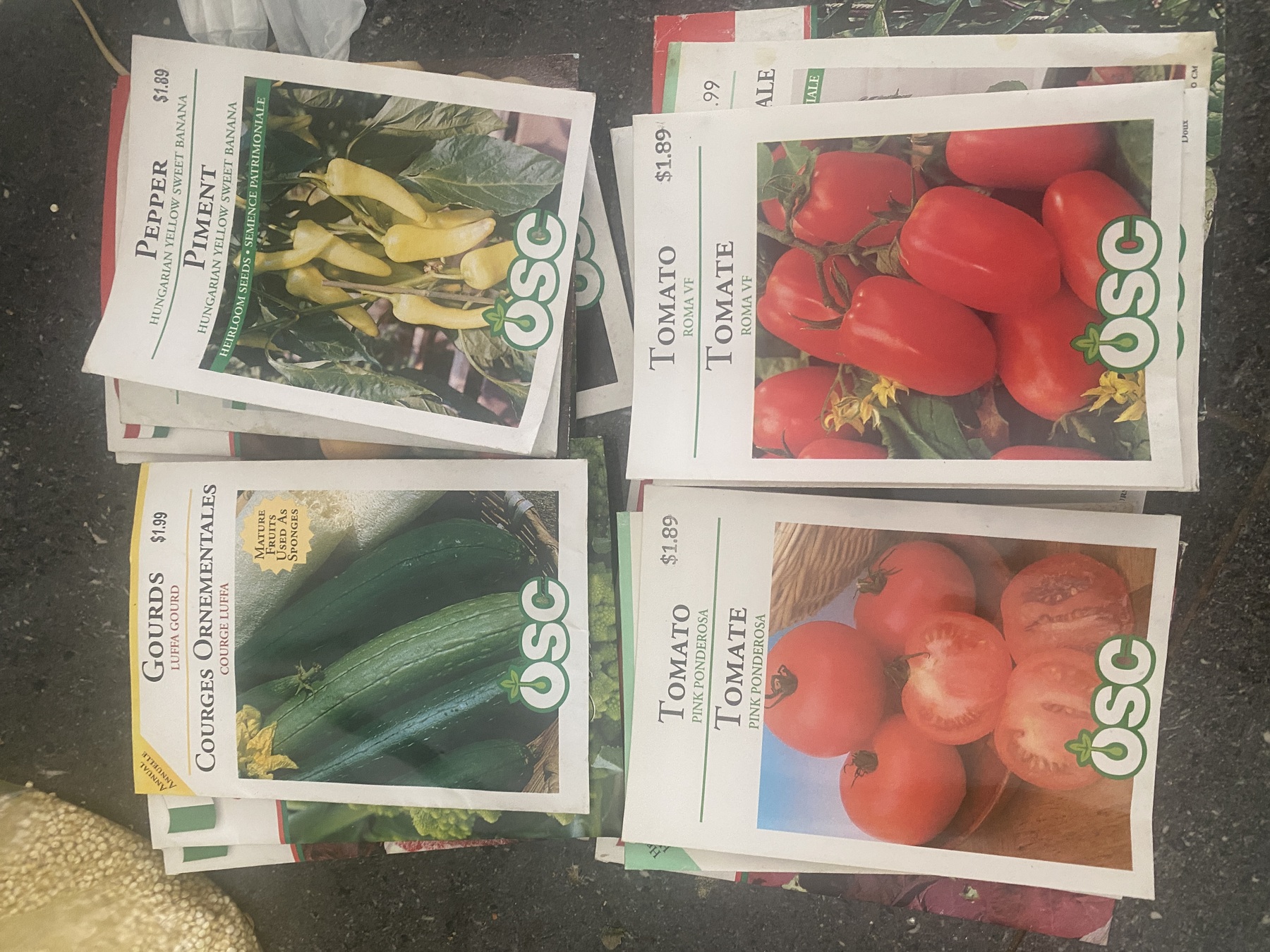
A possible dish uses verified young culinary luffa in a light broth beside baked high-altitude Andean trout. The photographed ornamental packet is a separate identification question, not an ingredient approval.
Illustration of verified food-grade culinary luffa. The photographed ornamental-worded seed lot remains held from food service.
A culinary luffa serving, with the seed lot held apart
This illustration explores verified food-grade young culinary luffa beside baked high-altitude Andean trout. It does not approve the photographed packet, which carries ornamental wording. That seed lot remains outside the food plan until its suitability is established.
Explore High-altitude Andean trout in the ingredient guide. Confirm the actual preparation and availability with the kitchen.
Young fruit of documented culinary smooth or angled luffa can be cooked as a vegetable. The photographed Luffa Gourd packet includes ornamental wording and does not establish a food-use seed lot. Keep that lot out of a meal until identity and culinary suitability are verified.
The featured ingredient, served on its own.
Illustrated serving concepts and an imagined Sacred Valley garden. These are not photographs of a named restaurant, a current harvest, or a tested recipe.
The packet is the first limit
The photographed packet reads Luffa Gourd, and its French wording calls it ornamental. That evidence is insufficient for putting its future fruit on a guest's plate. The same physical packet appears twice. A second photograph does not provide a second botanical identification or a separate food-use assurance.
This guide therefore distinguishes the seed record from the broader culinary crop. It explains what documented edible luffa is and how age changes its use, while holding this particular ornamental-labeled lot from culinary service until a reliable identity and food-use check is complete.
University of Florida guidance discusses smooth luffa, Luffa aegyptiaca, and angled luffa, Luffa acutangula, as vegetables grown for immature fruit. The ridges of angled types are a visible difference. A common name such as sponge gourd, Chinese okra, or loofah is helpful context but does not settle the identity of an unknown plant.
The young edible fruit belongs to the kitchen before its interior becomes the familiar fibrous sponge. An ornamental description can refer to another intended harvest use, but this page will not assume that the photographed lot is one of these verified culinary types merely because the packet says luffa.
As a luffa matures, the fibrous interior develops. The mature dry structure can become a scrubber after appropriate processing; it is not the tender vegetable in this proposed meal. A kitchen looking for young luffa should buy from a supplier that can identify the edible product and its intended culinary stage.
A purchased bath sponge has no role in food preparation. It may have been processed or treated for an entirely different use. Likewise, a tough mature garden fruit is not made into young luffa by peeling it more deeply or simmering it longer.
A verified young fruit can have a gentle preparation
For a suitable food-grade young luffa, the cook can remove skin or prominent ridges as appropriate and cut the tender flesh into pieces for a light savory broth. It has a mild vegetable character, so a restrained garlic and herb seasoning would leave the ingredient legible.
This is an ordinary cooked vegetable idea, without frying oil, batter, or a medicinal claim. The recipe would need adjustment to the particular culinary luffa obtained. No fixed harvest length is offered as a shortcut around species, cultivar, maturity, and actual texture.
Hong Kong's Centre for Food Safety has specifically discussed illness after eating bitter angled loofah. Cucurbitacins can cause gastrointestinal illness, and consumers should avoid fruit that turns bitter or differs from its usual taste. A mild luffa that is unexpectedly bitter should not be served.
Do not cover the flavor with sauce or tell a guest that strong bitterness proves a vegetable is medicinal. This safety boundary is separate from the expected flavor of a correctly identified bitter melon. Plant names and ordinary culinary character cannot be swapped casually between related vines.
Build the meal only after the ingredient clears the gate
The proposed plate pairs a small portion of verified young culinary luffa with baked high-altitude Andean trout and quinoa. The luffa would sit in a little broth while the fish remains separate. If the hotel cannot source the right ingredient, zucchini is a more practical discussion than improvising with an ornamental planting.
The guest's role is to order and enjoy a finished dish. A hotel kitchen and its supplier should resolve identity and suitability before service. No restaurant in this guide is claimed to grow, stock, or use luffa from these photographed seeds.
Two harvest stages on the luffa vine
A luffa vine needs room and a long warm season, according to Florida extension guidance. Its tendrils, yellow flowers, green immature fruit, and eventual dry sponge make its growth cycle worth showing. Those details do not prove performance in an untested Sacred Valley garden.
The culinary decision stays on hold until reliable evidence resolves the packet identity. This is a proposed table idea, not a confirmed meal at The SoulSearching Experience. The five-day retreat and seminar is for 8-15 people and has no plant medicine; neither the menu nor its exact venue is established here.
Food can give the days around Machu Picchu a welcome sense of place. If you would also like time for reflection, explore a Sacred Valley retreat before or after your visit. Florian Rolke offers The SoulSearching Experience, a five-day seminar for 8-15 participants, with no plant medicine.
Ask for the current dates, venue, price and inclusions before arranging the rest of your trip. These dishes, restaurant visits and garden visits are ideas to explore; they are not confirmed seminar inclusions.
Questions about this dish
Adapted from public cooking questions and published FAQs. Answer sources are linked below each response. Broader ingredient questions are included where they help with this serving.
What is the common name for Luffa cylindrica?
Smooth luffa is also called sponge gourd or loofah. Names alone do not verify the photographed ornamental packet for food use. University guidance distinguishes documented smooth and angled culinary luffa.
Water according to the actual soil, plant, weather, and growth stage rather than a universal calendar. A vigorous vine still needs drainage. Local growing guidance should determine the practical regime.
What USDA hardiness zone does luffa gourd grow in?
Hardiness-zone language does not capture the whole warm season a luffa needs. University guidance emphasizes a long warm growing period. A U.S. zone number cannot establish performance at a specific Peruvian site.
Luffa is a warm-season crop needing enough warmth and time to produce fruit. Use a local site assessment rather than transferring a Florida calendar directly to a highland garden.
It is frost-sensitive and needs a warm growing period. Protection from one cold night does not establish that an entire season will suit it. No Sacred Valley hardiness or harvest guarantee is offered.
It can grow outdoors where the climate and season suit the crop. The actual valley site needs assessment of night temperatures, exposure, and season length. An illustration is not evidence that a planting exists.
It is a vigorous climbing vine, so allow appropriate room and strong support. Exact dimensions vary with type and conditions. A tiny ornamental trellis should not be used to imply reliable food production.
A forum identification does not establish the identity of this photographed ornamental packet. Verified young smooth or angled culinary luffa is a documented vegetable; this lot remains out of food use until properly identified.
Why might a young luffa fruit die after pollination?
Failed young fruit needs a local assessment of pollination, plant condition, and weather. It is a growing question, not proof that the photographed packet is edible or that a particular diagnosis applies to every vine.
How should an outdoor luffa be cared for during winter?
Luffa is frost-sensitive and needs a long warm season. Winter protection questions depend on the actual climate and growing setup. A plan that keeps a vine alive is not a guarantee of an edible harvest.
The familiar natural sponge comes from mature fibrous luffa, while documented culinary luffa is eaten at its young tender stage. A purchased bath sponge is not a food ingredient. The photographed ornamental-worded seed lot still needs independent food-use verification.
UF/IFAS compares culinary luffa's flavor with zucchini and cucumber, with variation among types. Its mild character suits a light savory broth. Keep the seasoning restrained enough to taste the actual young vegetable.
UF/IFAS's simple culinary method begins by peeling the young fruit, then slicing it. That is a suitable direction for the proposed serving. Tough outer texture or prominent ridges should not remain merely to make the vegetable look distinctive.
UF/IFAS records raw use of immature culinary luffa, but the proposed high-altitude Andean trout accompaniment is cooked. That food-use record does not approve the photographed ornamental-labeled lot or an unknown vine. Identity and culinary suitability come first.
Ask a food supplier specifically for young culinary smooth or angled luffa, with its identity and intended use confirmed. This guide verifies no current local retailer or hotel supply. An ornamental packet or a cleaning sponge is not a substitute.
For ordinarily cooked leftovers, USDA gives a general refrigerator window of three to four days after prompt cooling. The delicate texture may be less appealing after reheating, so the proposed hotel serving is prepared around the meal. Follow the kitchen's established safe handling process.
Zucchini can provide a familiar tender vegetable portion beside high-altitude Andean trout, with a different texture. Adjust the actual cooking rather than copying a time blindly. It is a practical alternative if verified culinary luffa is unavailable, while the ornamental lot remains held.
For a documented culinary type, harvest the immature fruit while it is tender and before its fibrous interior develops. UF/IFAS emphasizes that growth stage. A fixed length cannot by itself establish maturity or identify the photographed lot.
The mature fibrous fruit is unsuitable for the tender vegetable course. UF/IFAS distinguishes the young edible stage from mature sponge uses. Longer boiling or deeper peeling does not turn a developed sponge back into young flesh.
Why does the cooked vegetable sometimes become watery?
Luffa has a high water content. UF/IFAS's simple boiled preparation uses a small amount of added water and can be served drained or as soup. Choose the intended result first, then let the cook manage the liquid rather than automatically cover the pieces with broth.