Green spears keep their shape beside carved roast duck. A little lemon at the table lets their flavor remain distinct.
An illustrated serving concept in an Andean hotel setting.
Roast duck with asparagus, lemon and chives
Give the asparagus a generous place beside the carved duck. Keep the spears tender, the lemon separate and the potato puree modest, so the vegetable remains part of the meal rather than a garnish.
Explore duck in the ingredient guide. Confirm the actual preparation and availability with the kitchen.
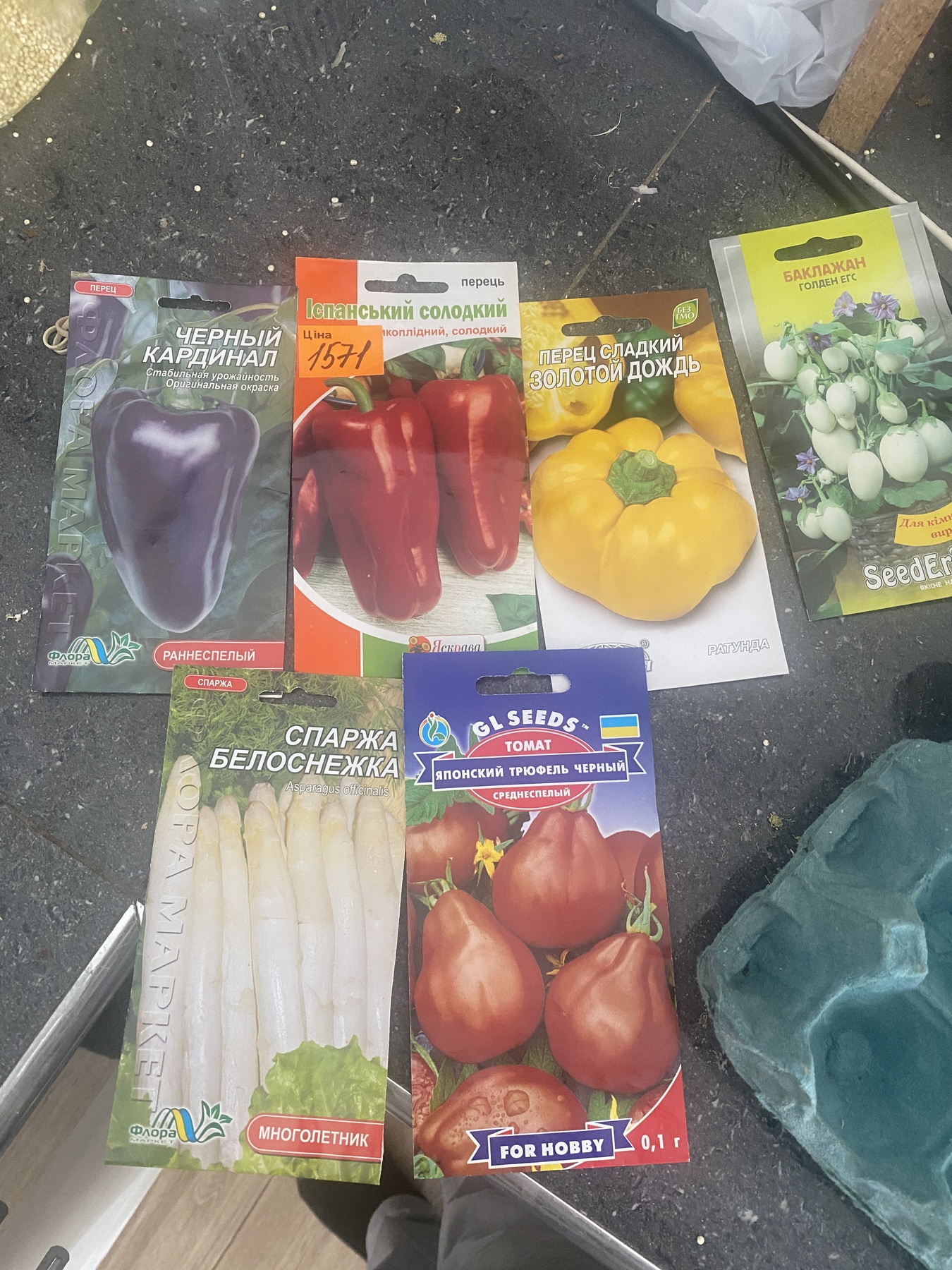
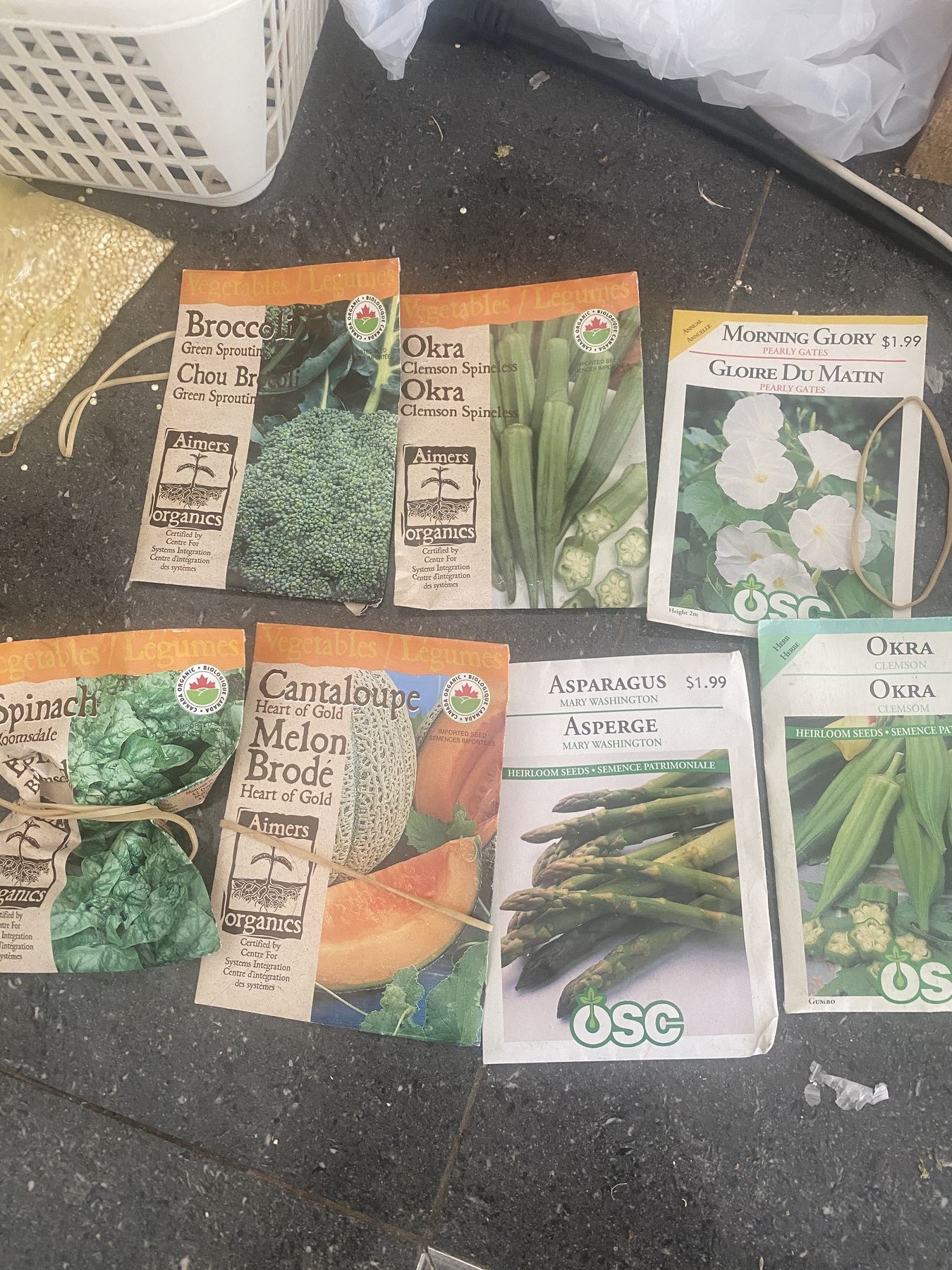
Steam or gently poach trimmed asparagus until the thickest part is tender. Serve with lemon beside roast duck and quinoa. The photographed Mary Washington and Belosnezhka packets identify seed varieties; white asparagus also depends on excluding light as the spears grow.
The featured ingredient, served on its own.
Illustrated serving concepts and an imagined Sacred Valley garden. These are not photographs of a named restaurant, a current harvest, or a tested recipe.
Read the two packet names carefully
Mary Washington and Belosnezhka (Snow White) appear in the seed collection. Keep those names attached to their packets rather than treating them as proof of the variety on a restaurant plate. A supplier would need to identify the harvested batch before either name belongs on a menu.
White asparagus deserves a separate explanation. The pale spear comes from growing without light, usually under covering soil or another light excluding system. A name translated as Snow White does not establish how a future crop will be managed. Green spears remain a sensible visual choice when that growing method has not been confirmed.
Tenderness matters more than a dramatic cooking method. Trim a dry or woody base, rinse the spears, and consider peeling the tough lower skin of a thick stalk. Thin and thick spears can both be enjoyable; mixing very different diameters in one batch makes even cooking harder.
Steaming or gentle poaching suits this serving concept. The tip should stay recognizable while the lower stalk yields easily to a knife. Ask for asparagus that is tender through the center if a very firm vegetable is not your preference. A photograph cannot tell you whether a kitchen has reached that point.
Picture a rested serving of roast duck placed beside the spears, with cooked quinoa in a small separate mound. The asparagus runs along the plate instead of disappearing beneath the meat. A lemon wedge lets the diner sharpen individual bites without soaking everything in acid.
This is an original meal concept for a quiet Andean hotel dining room, not a verified restaurant dish. The kitchen would choose the duck preparation and confirm availability. For a lighter balance, request a modest meat portion and a generous vegetable serving. There is no need for a sweet glaze to make the pairing feel complete.
Keep sauce in proportion to the spear
A small spoonful of plain herb yogurt can provide a cool accent if dairy suits the table. Alternatively, use a light lemon broth served separately. Either approach allows the asparagus to remain recognizable, particularly when the duck already comes with its own cooking juices.
Ask specifically about added sugar in sauces and whether the vegetable is steamed, poached, or cooked with added fat. Those are concrete preparation questions a server can take to the kitchen. Sauce on the side also helps when one guest enjoys a sharp citrus finish and another prefers the natural vegetable flavor.
Use a different texture for a second serving
For another course, cut tender cooked asparagus into short lengths and combine it with warm white beans and chopped parsley. Keep the beans intact rather than making a puree. A few longer tips on top show which vegetable anchors the bowl.
This variation has a different purpose from the duck plate: it can be a substantial vegetable course or a smaller starter. Drain the asparagus well before adding it so the beans do not sit in an unintended pool of water. It remains a serving proposal, so use a tested recipe if measured quantities and cooking times are needed.
The edible spear is only one stage of the asparagus plant. After harvest, the fernlike growth needs time to replenish the crown. A permanent bed is therefore a longer commitment than a row of quick salad leaves. Cutting every new shoot indefinitely is not a sound harvest plan.
For a Sacred Valley site, elevation alone cannot predict success. Soil drainage, frost, irrigation, and the grower's management all matter. The garden study here is an illustration of plant form. It should not be read as evidence of an existing hotel garden, a current harvest, or year round local supply.
An unhurried dinner can be a welcome pause between travel days. If your visit also includes The SoulSearching Experience, the five day Sacred Valley retreat, keep the dining arrangements clear when you plan. This asparagus meal is an idea for a separate restaurant conversation, not a confirmed retreat inclusion.
Ask what vegetables are available that day and what can be served gently cooked. The answer may lead to asparagus, or to another green that is in better condition. Choosing an actual ingredient well is more useful than insisting on a packet name that the kitchen cannot verify.
One published menu comparison
These published combinations offer useful comparisons. They do not establish that the restaurants use the photographed seed varieties or can prepare the illustration.
Muju, Rio Sagrado, a Belmond Hotel · Tabbouleh de quinua
Quinoa with asparagus.
The menu lists quinoa tabbouleh with asparagus but does not specify how the asparagus or dressing is prepared. Confirm the current dish, cooking method and added oil with Muju.
Urubamba-Ollantaytambo road. Menu reference checked October 12, 2026; confirm the current dish before ordering. The illustrated serving is a separate concept.
These additional meals keep the photographed varieties distinct. The kitchen prepares the food; the images suggest combinations to discuss, rather than a tested menu.
Roast duck with white asparagus and native potatoes
Illustrated complete meal: Roast duck with white asparagus and native potatoes
Ingredient serving: Belosnezhka (Snow White), Mary Washington
White asparagus gives this duck meal a pale spear-shaped vegetable course instead of the green form shown elsewhere. The color comes from excluding light during production, rather than from a universal promise attached to a cultivar name. Cook tender prepared spears with their tips intact, leaving their ivory surfaces visible. A small lemon accompaniment and finely cut chives can supply a savory finish without concealing the asparagus beneath sauce.
Let cooked canihua carry its own part of the meal beside carved roast duck, with the featured accompaniment kept generous and clearly visible. A few steamed skin-on native-potato halves could complete the warm plate, with the flesh visible at the cut. If wanted, offer a little food-grade sacha inchi oil as a cold finish after cooking, never as a frying oil.
Food can give the days around Machu Picchu a welcome sense of place. If you would also like time for reflection, explore a Sacred Valley retreat before or after your visit. Florian Rolke offers The SoulSearching Experience, a five-day seminar for 8-15 participants, with no plant medicine.
Ask for the current dates, venue, price and inclusions before arranging the rest of your trip. These dishes, restaurant visits and garden visits are ideas to explore; they are not confirmed seminar inclusions.
Questions about this dish
Adapted from public cooking questions and published FAQs. Answer sources are linked below each response. Broader ingredient questions are included where they help with this serving.
Microwave Asparagus?
Yes. A covered microwave safe dish with a little water can steam asparagus. Work in short intervals and test the lower stalk rather than assuming every spear needs the same time.
White asparagus often needs its tough outer skin peeled, especially along the lower stalk. Good cooking cannot remove a woody skin that was left on the serving.
A thick spear is not automatically old or tough. Diameter depends partly on the variety and plant; freshness, trimming, and cooking still determine the eating texture.
Check whether the base was trimmed and a fibrous lower skin needs peeling. Then cook until the thickest part yields; both undercooked fibers and poorly prepared stalks can spoil the texture.
What is the difference between white and green asparagus?
White asparagus grows with light excluded, which prevents the usual green color. It also has its own flavor and often requires more peeling than a tender green spear.
Cooked asparagus continues to soften as it sits. For a dinner plate, prepare it close to service rather than expecting a long warm hold to preserve its texture.
Refrigerate it promptly. Standing the trimmed ends in a little water is one common storage method; keep it separated from raw meat and use it while the tips and stalks remain sound.
Remove the dry, fibrous base, then assess the lower skin. A knife and peeler let you keep tender stalk instead of discarding a large section simply to make every spear the same length.
What to put in the water when cooking white asparagus?
Many additions are for flavor rather than essential cooking chemistry. For this savory plate, plain water or light unsweetened broth is enough; butter and sugar are optional recipe choices, not requirements.
What are the triangular shaped markings on asparagus called?
They are often described as scales or bracts: small leaflike structures attached to the stalk. They are part of the spear rather than a painted marking.
The time depends on spear thickness and heat. This guide favors steaming or gentle poaching; if a kitchen grills asparagus, ask for a tender center rather than choosing by grill marks alone.
Zucchini is one possible companion, but cut size and cooking speed need to match. For the duck plate, a single well prepared green vegetable can be clearer than a crowded roast mixture.
Frozen Asparagus after thawed became extremely soggy and wet, any way to salvage?
Thawed asparagus may not recover a crisp whole spear texture. If it has been handled safely and is otherwise sound, a soup or puree can make better use of it.
First time cooking/eating asparagus, what's the best way to cook it?
Start with a simple steam or gentle poach after trimming. Taste for tenderness through the stalk and add lemon at the table so you can learn the vegetable's own flavor.
Why cut and discard the base of asparagus, before dipping in water?
A fresh cut removes a dried or damaged end and exposes tissue that can take up water. That storage trim is separate from removing all woody material before eating.
Grow the emerging spears without light, using a suitable covering or mounding method. A white sounding cultivar name alone does not establish that the finished spear will be white.
Use culinary Asparagus officinalis from an identified food crop. Do not treat an ornamental asparagus relative or its berries as interchangeable with edible young spears.
A perennial crown needs unharvested fern growth to replenish itself. A continuous cutting schedule can weaken the plant; use a locally appropriate harvest season instead.