Whole beans, a smooth puree, and a savory broth offer three different ways to give pallares a clear place on a Peruvian food table.
Pallares in Peru: Lima Beans for Substantial Savory Plates
Pallares are lima beans, Phaseolus lunatus, distinct from tender green-bean pods. Properly cooked, identified food-grade beans can anchor tomato-and-herb plates, soups, or purees, and accompany duck, nonfried cuy, quinoa, or vegetables. Their place in a varied diet is useful without medical promises. Generic reports of beans at the Quillabamba property do not yet confirm that pallares are planted or served.
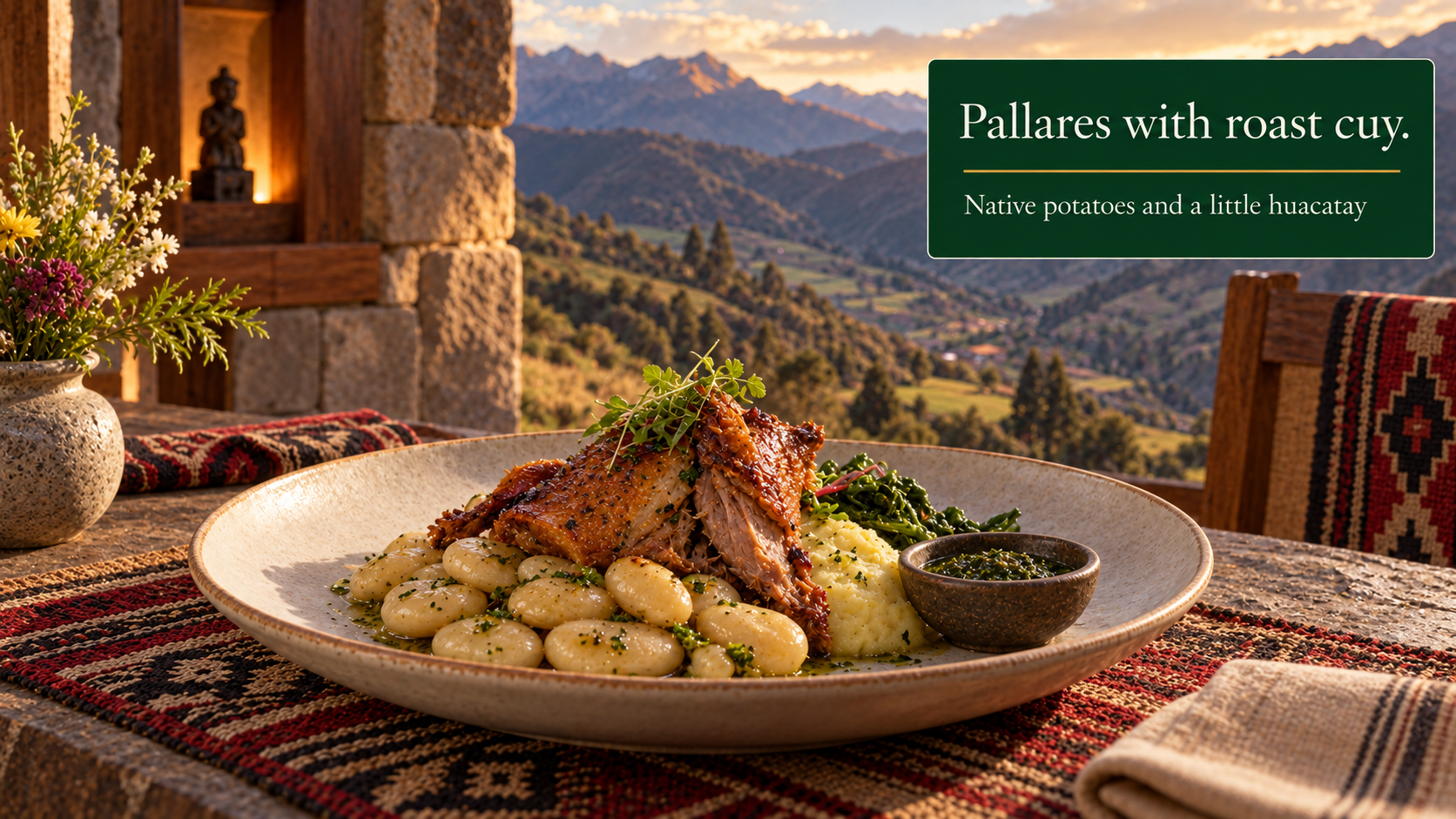
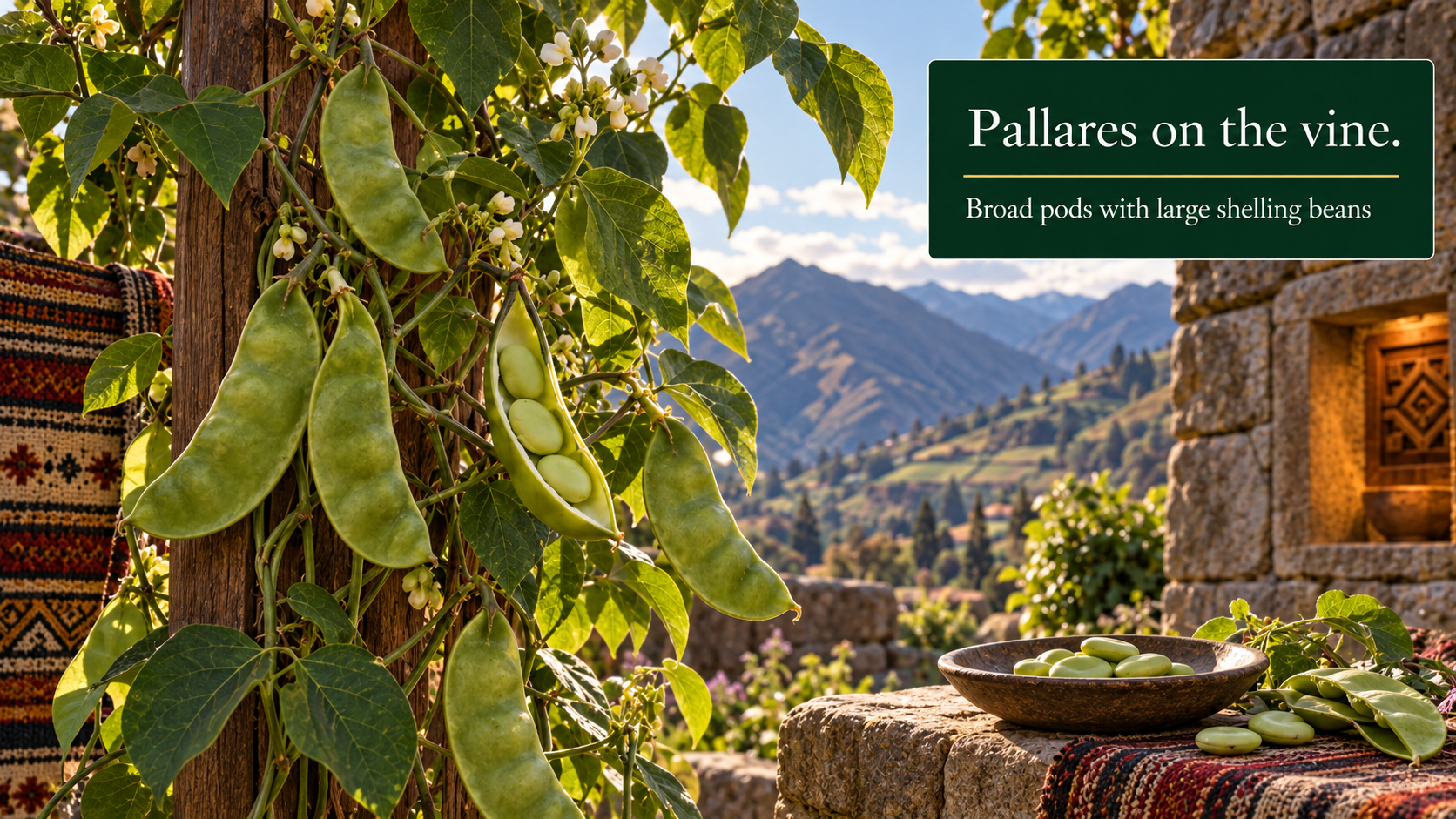
Pallares mean lima beans, not tender green pods
Pallares deserve a place of their own on a Peruvian food table. INIA's Peruvian genebank identifies pallar as Phaseolus lunatus. These are lima beans, often also called butter beans in English. They are different from the tender common-bean pods described as green beans. In a cooked pallar dish, the edible seeds are the focus. Their broad shape gives a plate a different rhythm from a line of slender pods or a scattering of tiny grains.
Names can still leave the food form uncertain. A menu should clarify whether the beans are fresh shelled, frozen, canned, or prepared from dry seeds, when that information is relevant to the dish. A supplier's label and the kitchen's preparation matter more than an assumption based on color. The culinary ideas here use identified, food-grade pallares that have been properly cooked. They are serving concepts rather than a tested set of recipes, and they do not establish that the Quillabamba property grows this species.
Choose a whole-bean dish or a smooth one
A whole-bean presentation makes the shape of pallares part of the appeal. In a shallow bowl, the beans could sit in a light savory sauce with cooked tomato and a few herbs. Enough liquid to coat and connect the ingredients can be more attractive than a thick blanket that hides them. The diner sees the beans first and then discovers the supporting flavors. Pieces of softened onion can remain small so they do not compete with the broad seeds.
A smooth pallar puree makes a different promise. It could form a restrained base beneath roasted vegetables, or appear as a small separate portion beside meat. The puree should taste like beans supported by its seasoning, rather than become an anonymous cream-colored decoration. A few whole cooked pallares on top would explain what it is. Whole beans, a partly crushed preparation, and a fully smooth puree are three distinct choices; selecting one deliberately is more useful than treating every loss of shape as a failed dish.
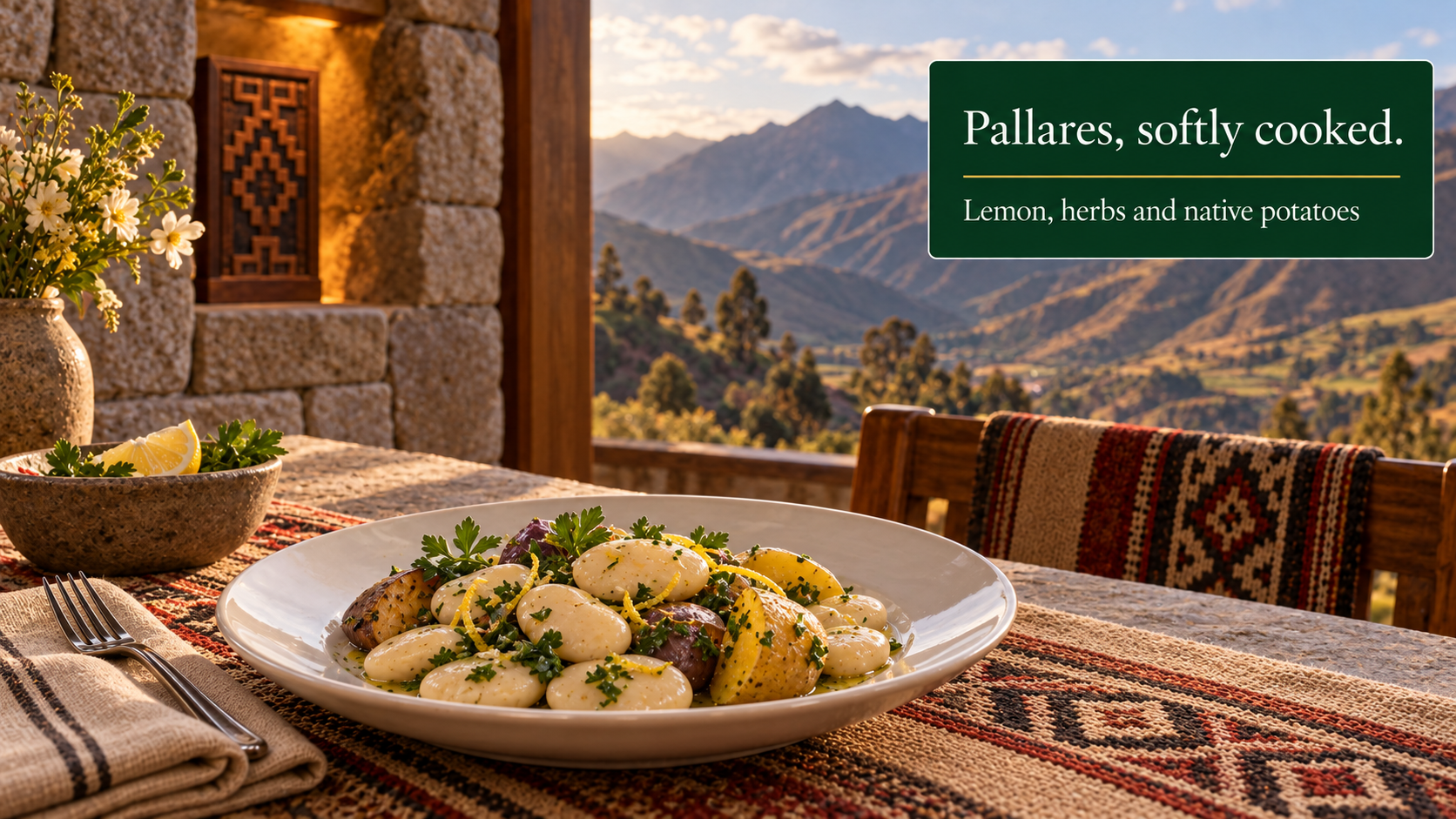
Tomato, herbs, and a nonfried vegetable plate
A tomato-based pallar dish can feel generous without relying on a fried exterior. Imagine cooked pallares with softened tomatoes, roasted pepper, onion, and a modest amount of olive oil. The tomatoes provide a sauce, while the beans remain substantial enough to carry the meal. Fresh herbs can supply a final aromatic note. A little citrus at the table could be offered separately so that the acidity does not dominate every serving.
For a vegetable-focused plate, roasted squash or carrots could sit beside the beans instead of being mixed into the sauce. This preserves a contrast between the soft seeds and the larger vegetable pieces. A small serving of quinoa can absorb some of the sauce, but it need not occupy most of the plate. This combination is an editorial proposal, not a claim about a named regional tradition. Its appeal comes from ordinary food decisions: a recognizable main ingredient, enough moisture, distinct accompaniments, and seasoning that leaves room to taste the beans themselves.
Pallares with duck and a clear savory sauce
Pallares could accompany roast duck as a composed meal with relatively few elements. A spoonful of whole cooked beans in a light savory broth would provide a softer contrast to the meat. Cooked greens or roasted vegetables could occupy a separate part of the plate. The duck's sauce could remain near the duck, allowing the diner to combine it with the beans rather than receiving a single heavy coating across everything.
Another concept is a duck and pallar bowl built around broth. Pieces of cooked duck, tender pallares, tomato, and herbs would create a spoonable meal with visible ingredients. Quinoa could be included in a small amount or served separately, depending on the desired texture. These are nonfried serving directions, but that description alone does not determine the meal's nutritional profile. Portion size, skin, sauce, salt, and added fat still matter. A straightforward menu can describe the roast or broth preparation without presenting duck as inherently lean or making a disease-prevention promise.
A separate accompaniment for roasted cuy
A pallar accompaniment to cuy can be more interesting when the beans have a clear identity. One proposed plate pairs nonfried roasted cuy with a modest mound of pallar puree, cooked green vegetables, and a small spoonful of tomato-herb sauce. The puree gives the plate a soft element, while the vegetables provide a separate color and texture. The sauce can connect the meat and beans without concealing either one.
Whole pallares offer a second approach. Served in their own small bowl beside the cuy, they allow the diner to alternate bites and choose how much sauce to combine. This is especially useful when the meat has assertive seasoning. A simpler bean preparation can remain satisfying in its own right. Calling the combination a proposed plate is more accurate than inventing a traditional name for it. No claim is made here about how cuy is prepared at a particular retreat, whether this meal is available, or whether the beans were grown on the user's land.
Quinoa and tarwi can support different versions
Quinoa can support a pallar meal in more than one way. A small portion beneath sauced beans makes a warm bowl; a separate spoonful beside whole pallares keeps the ingredients distinct. Roasted vegetables can complete either version. The choice depends on whether the intended meal is moist and spoonable or composed as separate elements. Adding a long list of grains and seeds would not necessarily make it more appealing.
Tarwi suggests a more deliberate variation. Because pallares and tarwi are both substantial seed ingredients, a dish does not need large quantities of both simply to sound abundant. A small amount of properly processed, food-grade tarwi could appear in a vegetable accompaniment while pallares remain the principal ingredient. Ingredient names should be visible to diners who need clear dietary information. This is a serving proposal using food-ready ingredients, not guidance for processing bitter lupin. It also avoids an old nutritional shortcut: a satisfying meal need not be sold through an unsupported promise that a particular combination guarantees perfect protein or complete nourishment.
A nourishing food without exaggerated promises
USDA MyPlate includes mature cooked beans, including lima beans, among beans, peas, and lentils that can contribute to vegetable and protein-food choices. That makes pallares relevant to a varied diet, but it does not turn a single bean dish into a complete dietary plan. The surrounding vegetables, grains, other protein foods, and the person's needs still matter. This guide makes no claim that a pallar meal treats illness, produces weight loss, or provides a measured amount of nutrients without a defined recipe and serving.
A warm pallar soup could be one approachable expression of that variety. Whole cooked beans, cooked leafy vegetables, onion, and an herb-scented broth would make a savory bowl. A partly blended version could be thicker while retaining some whole beans. The two presentations can share ingredients and still offer different eating experiences. Naming those differences gives a diner more useful information than words such as detox, superfood, or guilt-free. The pleasure of a well-seasoned bean dish is sufficient reason to consider it.
Food-grade beans, verified preparation, and honest provenance
Lima-bean safety needs a clear boundary. Oregon State University explains that lima beans contain cyanogenic compounds and that cultivar and preparation affect the issue. This guide therefore starts with identified food-grade beans and proper cooking under reliable guidance appropriate to the product. It does not recommend eating raw lima beans, tasting unidentified seeds, or using a home chemical treatment. Texture alone is not presented as a complete safety test. Seed packets intended for planting are not the food ingredients for these dishes.
The user reports beans among the food-producing plantings at a Quillabamba property. That broad description does not verify pallares specifically, nor does it establish a cultivar, harvest volume, or year-round supply. The future catalog appendix is a separate planning reference. A credible farm-to-table description would name the crop actually harvested and the dish actually served, with dates where relevant. Until those details are confirmed, these pallar dishes remain proposed food possibilities. They do not promise a retreat menu, garden access, or a particular contribution to household food security.
Leave time for the Sacred Valley
Leave enough time to enjoy a good meal. If Machu Picchu brings you to Peru, ask about The SoulSearching Experience, Florian's five-day Sacred Valley seminar for 8-15 participants. Confirm the dates, venue and meal arrangements directly when planning.
Questions readers ask
What savory dishes can feature pallares?
Try three clear food forms: whole pallares in broth, cooked beans in a marinated salad, or a smooth puree beside roasted vegetables. Purdue Extension provides a cooked lima, kidney, and green-bean salad with onion and pepper. For a Peruvian plate, quinoa and a separate vegetable portion could accompany the beans without hiding their broad shape.
What is a nonfried serving idea for frozen lima beans?
A broth-based lima dish is a useful Southern-style starting point. USDA's budget cookbook cooks frozen lima beans according to their package in an onion-and-garlic broth with smoked ham hocks, then serves it as soup or drains portions with a slotted spoon. The published recipe gives the meat instructions; taste before adding salt because smoked ingredients may already supply plenty.
What vegetable-centered dish can feature pallares?
For an appealing vegetable-centered dish, combine properly cooked pallares with corn, zucchini, tomato, onion, and basil. Delaware Extension publishes this succotash combination. The beans provide a soft center among smaller vegetables. Keep the seasoning savory and serve it beside quinoa or roast poultry; these accompaniments can make the same bean preparation feel like a complete plate.
What can I serve with properly cooked pallares?
Use canned pallares for a quick chilled salad, frozen beans for a warm vegetable mixture, and dry beans when you plan a longer preparation. Illinois Extension's four-bean salad gives canned limas a place alongside green beans, celery, onion, and a mustard dressing. Choose the starting form first, then select the dish around it.
What should I do if lima-bean preparation instructions are unclear?
For dry baby lima beans, USDA's household fact sheet gives a practical starting method: sort, soak, drain, and rinse, then cook in fresh water brought to a boil and reduced to low heat. It suggests about an hour after soaking. Follow the actual product's instructions, since a canned or frozen bean starts at a different stage.
Are lima beans an acquired taste?
You may prefer pallares in a different texture or sauce. A small serving of creamy beans with tomato and herbs, or a chilled cooked-bean salad with crunchy vegetables, offers a different experience from a plain bowl. If the dish is unexpectedly bitter, do not assume that is the flavor you must learn to enjoy; use the separate bitterness guidance.
How do I Jazz up Lima Beans?
Give the beans one clear seasoning direction. Onion and garlic suit a warm broth; mustard, thyme, vinegar, and a little oil suit a chilled salad. Illinois Extension uses the latter combination in its four-bean salad. For another meal, serve cooked pallares with tomato and herbs beside quinoa, letting the bean texture remain noticeable.
What the heck are butter beans?
Butter bean is commonly used as another name for lima bean, Phaseolus lunatus, as Oregon State's extension discussion explains. Naming varies, so check the product rather than assuming every large white bean is a lima bean. In Peru, INIA identifies pallar with Phaseolus lunatus. The food form, including dry, fresh shelled, frozen, or canned, still matters.
How to cook canned or frozen lima beans?
For canned beans, drain them and use them in a chilled salad or heat them in the finished sauce. Frozen lima beans need their package cooking step. USDA's broth recipe explicitly cooks frozen beans according to the package. The two forms can reach similar meals, but canned beans should not be treated as dry seeds needing a long soak.
How to cook large lima beans without losing so much of it in the water?
For whole beans, use directions for the actual product and stop handling them roughly once they are cooked. If a batch breaks apart, turn that texture into a smooth soup or puree instead of repeatedly straining away the softened beans. Serve the puree with roasted vegetables, or keep some whole beans on top to make the ingredient clear.
Why are my lima beans bitter?
Do not try to solve unexpectedly bitter lima beans simply by masking the taste or continuing to sample them. Confirm identification, food-grade sourcing, and appropriate preparation with the supplier or a food-safety professional. Oregon State explains that lima beans contain cyanogenic compounds and that cultivar and preparation matter. Bitterness alone cannot establish the cause or prove safety.
What can I serve with fresh shelled pallares?
Fresh shelled pallares work well with other vegetables. Delaware Extension's succotash combines lima beans, corn, zucchini, tomato, onion, and basil. Prepare the beans appropriately for their fresh food-grade form, then use that combination as a warm side. A simple grain portion alongside it gives the vegetables and broad beans room to remain visible.
What makes a useful savory pallar soup?
A savory soup can combine cooked pallares with onion, garlic, vegetables, and enough broth for the consistency you prefer. USDA's lima-and-ham recipe shows the broth approach; a vegetable-broth version is a separate serving variation. Leave some beans whole, or blend part of the cooked mixture to give the bowl a thicker center without requiring cream.
Is there a universal water ratio for cooking pallares?
USDA's dry baby-lima guidance covers beans with water at least three inches above them for soaking. Afterward, drain and rinse, then cook them in fresh water. That soaking measure is different from deciding how much liquid belongs in the finished dish. A soup needs broth; a drained salad needs cooked beans with little clinging liquid.
Can cooked pallares be served cold in a salad?
Yes. Cook and cool the beans before assembling a salad. Purdue Extension combines lima, kidney, and green beans with onion and green pepper, then marinates them with dressing in the refrigerator for at least an hour. For a restrained savory plate, serve a modest portion beside vegetables rather than assuming every bean dish must be hot.
Is there one cooking time for every lima-bean product?
For soaked dry baby lima beans, USDA's household fact sheet suggests bringing fresh cooking water to a boil, lowering the heat, and cooking for about an hour. Use that as guidance for the specified ingredient rather than a timer for every bean form. Frozen products follow their package directions, and canned beans are already cooked.
What are you cooking your butter beans with?
Tomato, onion, herbs, corn, and zucchini make a vegetable-rich accompaniment to cooked pallares. Delaware Extension's succotash uses those ingredients with basil and suggests serving it with fish, chicken, or pork. A separate editorial pairing could use duck, cuy, or quinoa. Keep the bean dish recognizable rather than burying it beneath the meat's sauce.
How to prepare baby lima beans for this paella recipe?
Prepare the dried baby lima beans separately before adding them where a recipe calls for cooked beans. USDA recommends soaking, draining, rinsing, and cooking them in fresh water. Frozen limas and dried seeds do not begin in the same condition, so simply dropping dry beans into a short paella cooking step will not produce the intended result.
Cooking Dry Large Lima Beans?
For a straightforward dish, cook the food-grade dry beans according to their label, then decide whether to serve them whole in broth, mash them, or cool them for salad. Large beans can make the seed shape a feature of the plate. Onion, herbs, and a little tomato provide a savory direction without requiring many competing ingredients.
Is there cyanide in lima beans?
Yes. Oregon State explains that lima beans contain cyanogenic compounds, including linamarin, and that cultivar and preparation affect the issue. Use identified food-grade beans with appropriate reliable cooking guidance. Do not eat raw lima beans or use this article as a home detoxification protocol. U.S. commercial-product discussion should not be assumed to verify an unidentified Peruvian cultivar.
Continue reading
- Pacay: How to Eat the Fresh White Fruit Inside the Pod
- Breadfruit for Savory Meals: Choosing, Cooking, and Serving the Starchy Fruit
- Guava for the Table: Choosing the Fruit and Using It in Savory Meals
Two named varieties, served differently
Blue Lake pods with duck, or Thorogreen pallares with cuy compares the edible parts and the role of each bean in a finished Andean meal.
Put the guide into your plans
Prepare a dining request for the kitchenAnother dish to consider
- Habas in Peru: Fresh Broad Beans at the Table
- Young Winged Beans with Quinoa and Cooked Fish: A Clean Savory Plate for the Sacred Valley
- Chickpeas with Quinoa, Vegetables and Lemon Tahini: A Savory Plate for the Sacred Valley Table
- Cushuro at the Table: What This Andean Food Really Is, and How It Could Be Served
- Solterito with Habas: An Andean Cooked Salad at a Sacred Valley Table