Pale tender gourd pieces sit in a light savory broth beside baked high-altitude Andean trout. The mild vegetable takes on the character of the broth without a fried coating.
An illustrated serving concept in an Andean hotel setting.
Baked high-altitude Andean trout with tender young bottle gourd
Only identified, suitable culinary fruit belongs in this proposed serving. Young nonbitter gourd can be peeled and gently cooked, then offered beside the high-altitude Andean trout. Reject bitter fruit; further cooking does not make it an acceptable ingredient.
Explore High-altitude Andean trout in the ingredient guide. Confirm the actual preparation and availability with the kitchen.
Use only correctly identified culinary bottle gourd harvested young and tender. If a bottle gourd is bitter, discard it completely; cooking, seasoning, or dilution is not a remedy. This guide proposes cooked vegetable pieces beside high-altitude Andean trout, never a wellness juice.
The featured ingredient, served on its own.
Illustrated serving concepts and an imagined Sacred Valley garden. These are not photographs of a named restaurant, a current harvest, or a tested recipe.
An edible bottle gourd needs a clear identity
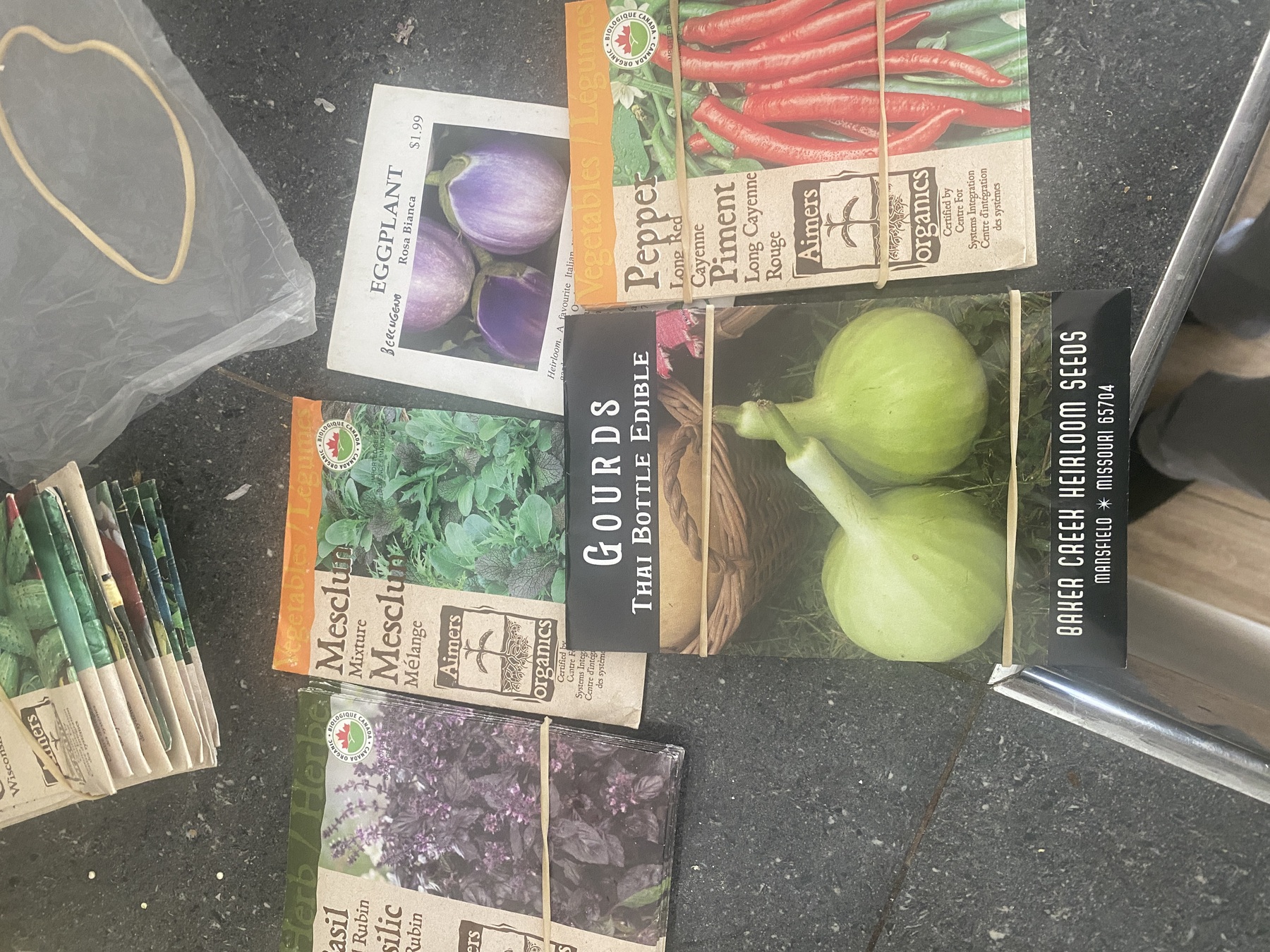
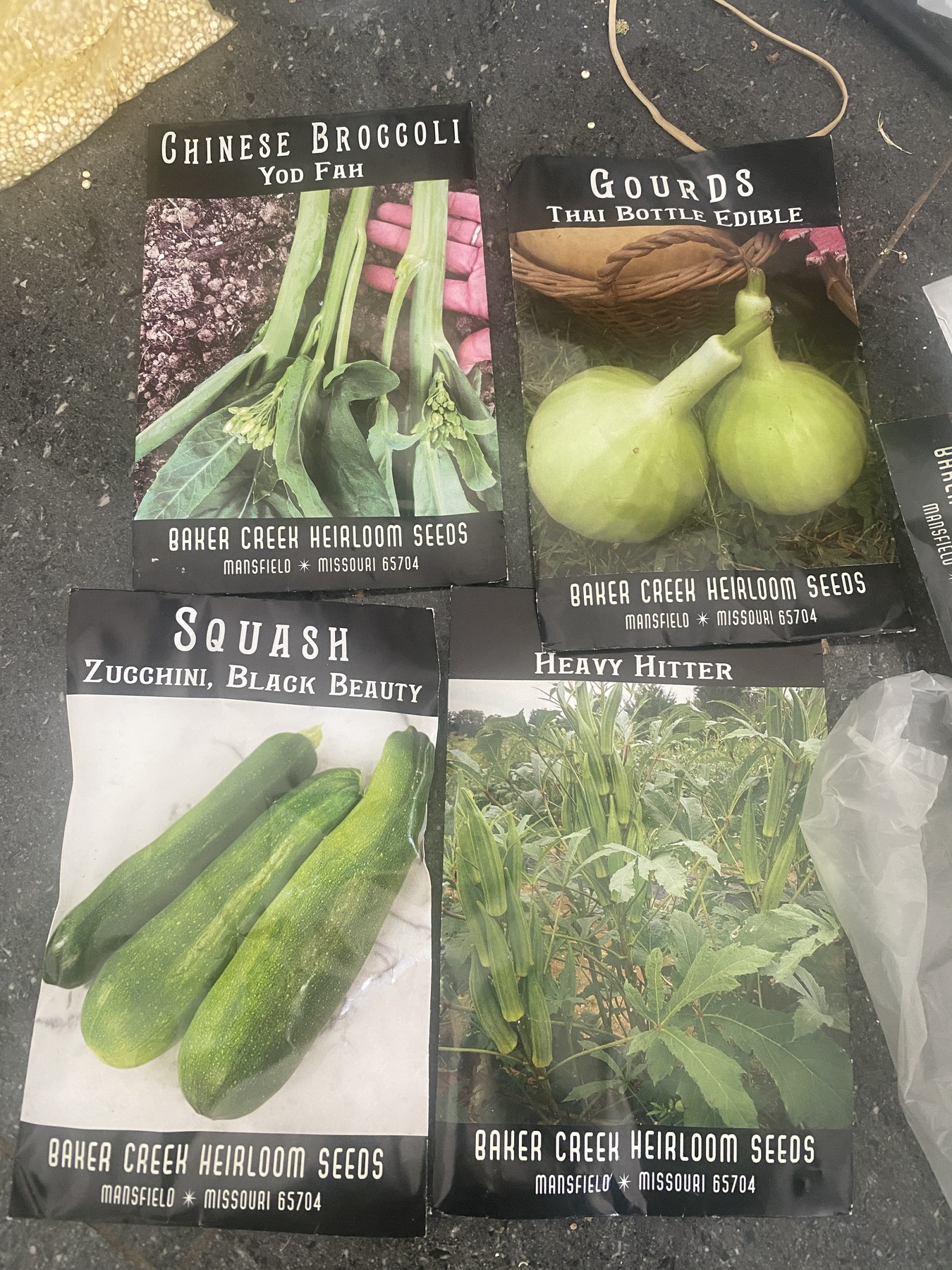
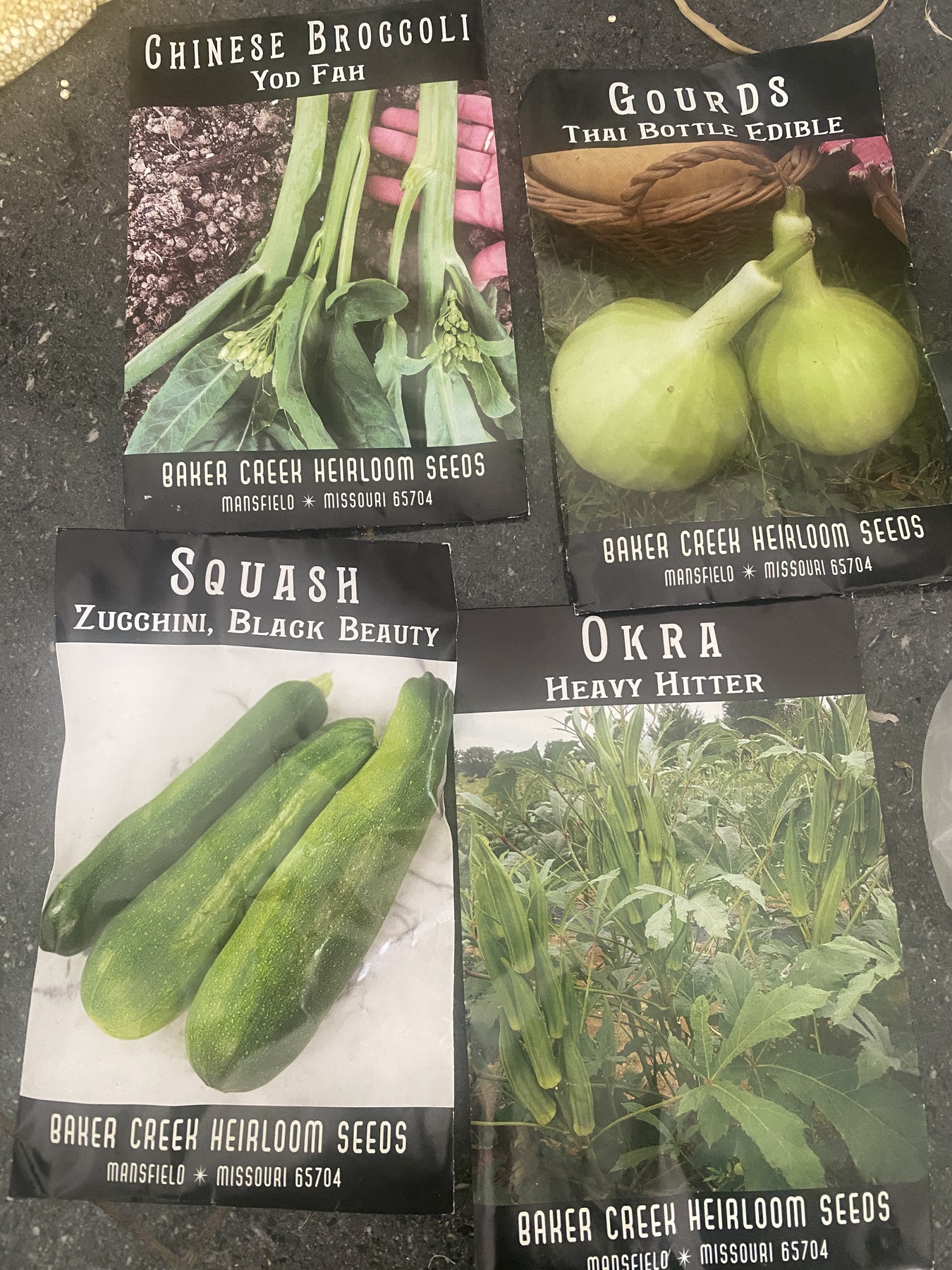
The collection contains a packet labeled Thai Bottle Edible. The crop to verify is bottle gourd, Lagenaria siceraria, a plant whose young fruit has established culinary uses. That does not make every decorative gourd a vegetable. Dried craft gourds and an unidentified garden fruit are unsuitable starting points for this meal.
The packet appears in several photographs, including a clearer repeat. Those repeats strengthen the label record; they do not demonstrate multiple harvests or independent seed lots. Before cooking from an actual planting, a grower and kitchen would need to confirm both identity and suitability for food use.
Young fruit and mature shells have different roles
Culinary bottle gourd is normally taken young, while the flesh is tender and the exterior has not become a hard shell. A mature gourd kept for a vessel or craft object has passed the stage intended for this cooked vegetable course. Size alone is an imperfect test because fruit form differs by type.
A cook should inspect the actual fruit, peel as appropriate for its skin, and remove a developed seed cavity if necessary. The desired result is tender pale pieces that hold together in broth. No amount of elegant cutting turns a woody mature shell into the young vegetable described here.
The Indian Council of Medical Research investigation documented illness associated with bitter bottle-gourd juice. The toxic concern is cucurbitacins, which produce bitterness. This page uses a firm kitchen boundary: a bitter bottle gourd is rejected entirely, and any preparation made with it is not served.
Do not try to rescue the fruit with boiling, roasting, added acid, salt, or sweetening. A cooking method is not a detoxification procedure. Bottle-gourd juice is also excluded from this meal concept, including a small juice sold as a cleansing or health drink.
A mild broth gives young, confirmed culinary bottle gourd a useful setting. The kitchen could simmer peeled pieces with tomato, a little garlic, or a restrained herb seasoning until tender. These are proposed culinary choices. The exact fruit, broth ingredients, cooking time, and texture need the cook's attention.
Keep the preparation separate from a raw juice. Cooking belongs to the intended recipe, but it is not permission to use fruit already rejected for bitterness. Guests should receive a finished vegetable course from the kitchen rather than a taste-testing exercise at the table.
Let high-altitude Andean trout and quinoa supply the structure
A baked high-altitude Andean trout portion and quinoa make this a complete plate, with the gourd serving as a moist vegetable accompaniment. The fish can sit beside the broth rather than beneath it. The presentation would be quiet and savory, with no fried garnish or sugary glaze.
Ask the hotel whether it can actually source a verified culinary bottle gourd. If it cannot, a familiar young zucchini preparation is a more useful alternative than an unidentified substitute. For a mild alternative, the kitchen could prepare tender zucchini in the same light-broth style, keeping the fish and quinoa portion unchanged.
Vigorous vines require more than an attractive trellis
Bottle gourd is a climbing warm-season crop. The pale fruit and white flowers help distinguish its garden image from a yellow-flowered cucumber vine. The illustration can show the fruit hanging, but a real trellis needs enough strength and suitable management for the actual crop.
No local planting date or predicted yield follows from a tropical growing guide. Night temperatures, exposure, soil, pollination, and the season available need local assessment. A hotel garden should be evaluated as a growing site before its hypothetical produce appears in a menu claim.
Responding to illness after bitter bottle gourd
If someone becomes unwell after eating an unexpectedly bitter cucurbit, they should seek medical attention rather than try another serving or a home remedy. Tell the clinician what was eaten. This is a response to a specific food hazard, not a reason to describe every normal vegetable meal as dangerous.
A calm meal can be part of the appeal of a Sacred Valley visit. This bottle-gourd plate remains a proposal, with no confirmed inclusion at The SoulSearching Experience, the five-day retreat and seminar for 8-15 people with no plant medicine.
Food can give the days around Machu Picchu a welcome sense of place. If you would also like time for reflection, explore a Sacred Valley retreat before or after your visit. Florian Rolke offers The SoulSearching Experience, a five-day seminar for 8-15 participants, with no plant medicine.
Ask for the current dates, venue, price and inclusions before arranging the rest of your trip. These dishes, restaurant visits and garden visits are ideas to explore; they are not confirmed seminar inclusions.
Questions about this dish
Adapted from public cooking questions and published FAQs. Answer sources are linked below each response. Broader ingredient questions are included where they help with this serving.
Is it safe to eat bottle gourd fruit?
Only a correctly identified culinary bottle gourd at the appropriate young stage is a candidate for cooking. Reject bitter fruit completely. This page does not approve decorative gourds, an unknown volunteer, or any juice preparation.
A suitable warm season, sunlight, soil, moisture, and adequate vine space are basic considerations. A real Sacred Valley site requires assessment; generic tropical advice is not proof of local suitability.
Follow reliable guidance for the confirmed culinary variety and the actual site. Seed quality, warmth, moisture, and transplant handling matter. The packet does not establish a local planting date or a guaranteed harvest.
A vigorous vine in a container needs adequate root space, watering, and strong support. Suitability depends on the actual setup and variety. This guide offers no universal pot size or production guarantee.
Pruning depends on the grower's training system and local crop advice. It is not a food-safety step and does not make bitter fruit acceptable. Resolve plant identity before planning either pruning or a meal.
What can be done with big quantities of Bottle gourd fruits?
Use only suitable young culinary fruit in established cooked dishes. Do not convert a surplus into wellness juice or assume canning is safe without a tested process. Bitter fruit is discarded, never diluted through a batch.
Published maturity estimates vary by cultivar and growing conditions. They are planning information, not a Sacred Valley promise. The actual garden needs its own observations before it can be treated as kitchen supply.
This page makes no recommendation to eat or harvest bottle-gourd leaves. The proposed ingredient is verified young culinary fruit. A different plant part needs its own reliable identity, food-use, and preparation assessment.
A strong overhead support is one possible training system for a vigorous vine and hanging fruit. Strength, space, and local growing practice matter. The illustrated small trellis is explanatory, not a tested construction plan.
The supplier discusses pollination while the flowers are open, generally in the evening or early morning. A local grower should confirm the plant and conditions first. Pollination advice does not establish that every failed fruit has the same cause.
For a culinary variety, choose the young tender stage before the shell hardens. Inspect the actual fruit rather than relying only on length. A mature dry craft gourd is not the vegetable described in this dish.
That phrase describes a vigorous crop's nutrient demand. It is not an instruction to add fertilizer without a soil assessment. The supplier's field guidance should be adapted by a competent local grower.
What is the best way to support bottle gourd vines?
Use a support designed for the vine and the weight of its fruit. A hotel garden needs safe access and a sound structure. No present planting or installed trellis is claimed in this guide.
Why are my bottle gourd flowers not turning into fruit?
Pollination is one possibility, but fruit set also depends on plant stage and growing conditions. Inspect the actual flowers and site before deciding on a cause. A general FAQ cannot diagnose an individual vine.
How long does bottle gourd take to grow and be ready for harvest?
Use the confirmed cultivar's maturity guidance as an estimate, then inspect young fruit for the intended culinary stage. Calendar days from an unrelated climate do not guarantee a highland harvest.
It may be manageable where warmth, space, water, and support suit it, but easy is site-dependent. A grower needs to verify conditions and culinary identity before promising fruit for guests.
This guide proposes cooked young culinary fruit and excludes raw juice. Bitter bottle gourd must be discarded. Cooking is not a remedy for bitter fruit, and the page does not certify a raw preparation.
Are bottle gourd and white pumpkin the same plant?
Do not assume the names refer to the same species. This guide discusses culinary Lagenaria siceraria. Confirm the actual ingredient with the supplier rather than substitute a white-skinned pumpkin or decorative gourd.
Bottle gourd bears separate male and female flowers, and flower balance changes with plant development and conditions. A grower needs to inspect the actual vine before deciding whether intervention is needed.
A failed young fruit can reflect pollination or other growing stresses. A diagnosis needs the actual vine and site. Do not infer either a local crop failure or a remedy from the seed photograph.