Small orange carrots need little decoration. Serve them tender, with their narrow shape intact and enough space on the plate to see the vegetable.
An illustrated serving concept in an Andean hotel setting.
Alpaca with Baby Finger carrots and thyme
Keep the small orange carrots recognizable beside the meat and potato puree. A gentle steam and a little thyme can be enough. This serving leaves out honey and sugary glazes, allowing the carrots to supply their own flavor.
Explore alpaca in the ingredient guide. Confirm the actual preparation and availability with the kitchen.
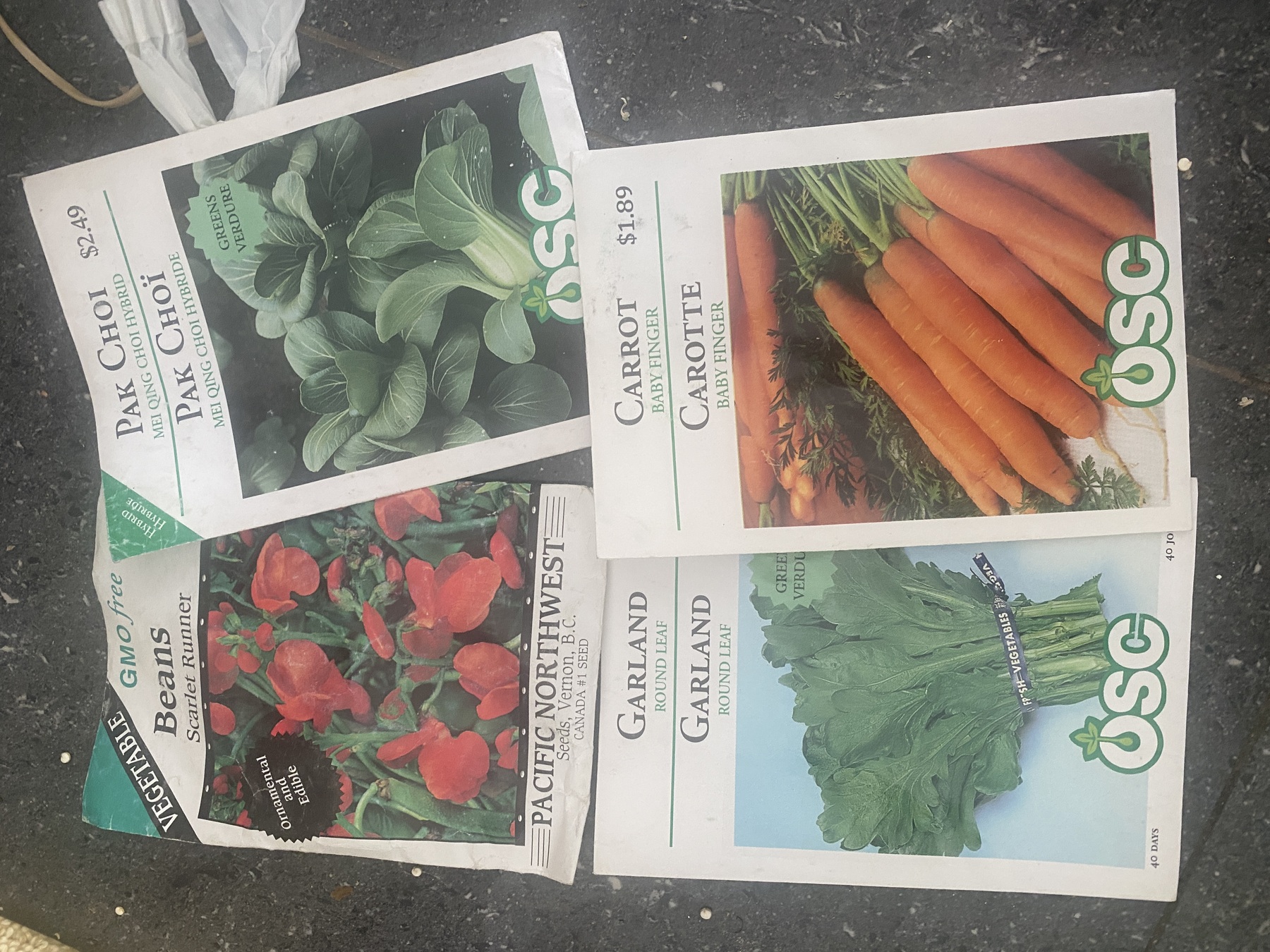
The photographed carrot packet is orange Baby Finger. Gently steamed small roots can accompany cooked alpaca and quinoa, while a separate carrot puree gives a softer vegetable option without a honey glaze.
The featured ingredient, served on its own.
Illustrated serving concepts and an imagined Sacred Valley garden. These are not photographs of a named restaurant, a current harvest, or a tested recipe.
Baby Finger is the carrot the collection actually shows
The photographed packet names Baby Finger, an orange carrot. That is the useful starting point for the picture and the serving. A mix of purple, yellow, and white carrots might be attractive, but it would describe seeds that have not been established in this collection.
OSC describes Baby Finger as a short baby Nantes carrot. Its narrow roots should have a gently rounded end rather than the long pointed form of a large Imperator carrot. Commercial baby-cut carrots and a named small carrot cultivar are different ideas. Neither the packet nor the appearance of the finished dish proves where the roots were grown or how the land was managed.
A kitchen can steam clean carrots until the thickest portion is tender enough for the intended serving. Similar sizes help the roots finish together. Split a thicker one lengthwise if needed, keeping the cut surface neat and the portions comfortable to eat.
Plain steaming does not require a coating of sugar, honey, or syrup. If you prefer no added fat, make that request clearly; a menu may describe a steamed vegetable and still finish it with butter or oil. The concept here aims for the carrot's own taste, with seasoning chosen after the cooking method.
Imagine sliced cooked alpaca beside orange Baby Finger carrots and a small mound of quinoa. The carrots provide color and moisture without becoming a dessert-like element on the plate. Let the meat keep its own place, with any sauce offered in a restrained amount.
That arrangement is intended as a serving idea for a hotel kitchen preparing dinner for guests. It is not a confirmed local menu or a tested recipe. The cook should decide safe meat preparation and adjust the vegetable portion to the actual plate. Ask which native ingredients and preparations are available that day.
A simple vegetable course leaves the shape visible
For a vegetable serving on its own, place steamed carrots on a warm plate with chopped parsley or a small amount of another identified culinary herb. A lemon wedge can stay alongside. The diner can add acidity without the roots arriving submerged in dressing.
There is room for a root that is slightly curved or has an uneven rounded tip. A convincing carrot plate does not require every piece to be identical. What matters is sound produce, a comfortable bite, and a finish that suits the rest of the meal. No nutritional calculation is implied by the photographed portion.
Carrots cooked until soft can make a smooth puree with a little suitable cooking liquid. Keep this version savory, with a modest garlic or herb note rather than a sweet glaze. A small bowl gives a guest a clear alternative if whole roots are less appealing.
The puree can accompany another vegetable, such as cooked fennel, or appear as its own small course. Its final texture depends on the roots and the kitchen method. This page does not offer invented quantities, a guaranteed cooking time, or Recipe schema for a preparation that has not been tested.
Storage and trimming affect the result more than a slogan
Choose firm, sound roots and wash them before preparation. Remove damaged areas rather than expecting cooking to repair spoiled produce. Attached greens can draw moisture from stored roots, so handle the tops and the roots as separate ingredients when keeping them.
Peeling is a preparation choice for sound washed carrots, not proof of a better farming method. A kitchen may peel for a smoother finish or scrub an appropriate root carefully. Ask what has actually been done if you have a preference. Keep cut vegetables refrigerated and cooked leftovers under normal cold storage.
Let a clear dinner choice support the Sacred Valley visit
For a guest, the useful request is concrete: cooked alpaca, tender steamed orange carrots, and quinoa, with the sauce amount explained. A simple description makes dietary conversations easier than a claim that the dish is cleansing or full of unspecified superfoods.
The SoulSearching Experience is a five-day Sacred Valley retreat for 8-15 participants, with no plant medicine. This dinner is culinary inspiration for time around a stay, not a promise of included retreat meals or a garden-to-hotel supply chain. Confirm the kitchen and the available ingredients separately.
Restaurant references
These published combinations offer useful comparisons. They do not establish that the restaurants use the photographed seed varieties or can prepare the illustration.
Chuncho · SOLTERITO CON COCHAYUYO
Favas, carrots, lagoon algae, fresh cheese.
The menu describes a cooked salad of fava beans, carrots, lagoon algae and fresh cheese. Confirm the current preparation, dressing and dairy ingredients before ordering.
Ollantaytambo. Menu reference checked October 12, 2026; menus can change, so confirm the current dish and preparation before ordering. The illustration is a separate serving concept.
Food can give the days around Machu Picchu a welcome sense of place. If you would also like time for reflection, explore a Sacred Valley retreat before or after your visit. Florian Rolke offers The SoulSearching Experience, a five-day seminar for 8-15 participants, with no plant medicine.
Ask for the current dates, venue, price and inclusions before arranging the rest of your trip. These dishes, restaurant visits and garden visits are ideas to explore; they are not confirmed seminar inclusions.
Questions about this dish
Adapted from public cooking questions and published FAQs. Answer sources are linked below each response. Broader ingredient questions are included where they help with this serving.
Must Baby Finger carrots always be peeled?
Peeling is a preparation choice for sound washed roots. A kitchen may peel for a smooth finish or scrub appropriate carrots carefully. Remove damaged material whichever finish is chosen.
Is Baby Finger the same idea as a commercial baby-cut carrot?
No. The photographed packet names a small carrot cultivar. Commercial baby-cut carrots are shaped pieces of larger roots. Keep the named seed variety separate from a processing style.
Does a freezing blanch establish the dinner cooking time?
No. Preservation blanching and cooking a tender vegetable for service have different purposes. The kitchen should use an appropriate method for the actual carrots and intended texture.
Yes. Carrots have their own sweetness. The proposed steamed serving does not need honey, syrup, or added sugar to be a complete vegetable accompaniment.
Orange is a normal carrot color. The photographed Baby Finger packet is an orange-root reference, with no evidence here of artificial coloring or of a purple cultivar.
The documented carrot packet is Baby Finger orange. Other carrot colors exist, but they are not established by this collection and should not be invented to decorate its serving.
How can a cook keep a small carrot steady for cutting?
A stable cutting surface helps: a cook can create a flat side or split the root appropriately. The serving cut should be safe to prepare and comfortable for the guest.
Are thin strips required for the steamed carrot plate?
No. Short cylindrical roots or lengthwise halves keep the variety's form visible. Thin strips are a different presentation and will need their own attention during cooking.
How should whole carrots be stored before preparation?
Keep sound roots under appropriate cold storage and separate attached tops when storing them. Follow produce guidance rather than leaving a decorative bunch unrefrigerated for appearance.
Do cut carrots have the same storage needs as intact roots?
Cut produce needs prompt refrigeration and clean covered storage. Prepare only what the kitchen can handle safely and do not extend storage based on a pleasant appearance alone.
They need refrigerated handling and a realistic storage plan. A fine cut changes the exposed surface and texture; do not assume it keeps just like a whole unpeeled root.
Discard rotten produce and use sound roots for the plate. A photo or a smell check cannot establish the safety of a batch with an uncertain handling history.
Can a picture prove that discolored carrots are safe?
No. The kitchen must assess the actual produce and storage conditions. Do not hide decay in a puree or serve a questionable root because the outside can be trimmed to look attractive.
Does every white film on stored carrots mean the same thing?
No. A photograph does not reliably distinguish dehydration from contamination. Follow the product's handling guidance and discard spoiled food; do not make a blanket safety claim from color alone.
No. Start with a suitable sound root. A kitchen can taste an appropriate batch and choose another vegetable when the flavor is poor rather than cover bitterness with a sweet glaze.
Can carrot tops be treated as an edible garnish automatically?
Use only properly identified food-grown greens with an established culinary preparation. The main serving here is the root; attached foliage does not have to be added to the plate.
A soup can use finely cut carrots or a manually mashed texture. A smooth puree is only one choice, so the kitchen can select a method that matches the desired bowl.
No particular appliance is mandatory. The carrots first need to be appropriately cooked soft; a suitable masher, sieve, or blender can then give different textures.
Can a very soft cooked carrot be made crisp again?
Do not expect to reverse the cooked structure. Use the softer batch for an appropriate puree or soup if safely handled, and cook a new batch for intact tender roots.
Should a carrot soup be colored to match the seed packet?
No. The ingredient and method should determine the color. This orange carrot concept does not require artificial saturation or an invented mixed-color harvest.