A small side-by-side tasting makes rutabaga and turnip easy to compare. Serve both roots tender beside alpaca and quinoa, with the same restrained seasoning on each.
Rutabaga and turnip with alpaca and quinoa
Turnip is Brassica rapa; rutabaga is Brassica napus. Use labeled culinary roots, cook them separately until tender, and compare small portions beside alpaca and quinoa rather than assuming their cooking times match.
Taste and texture on the plate
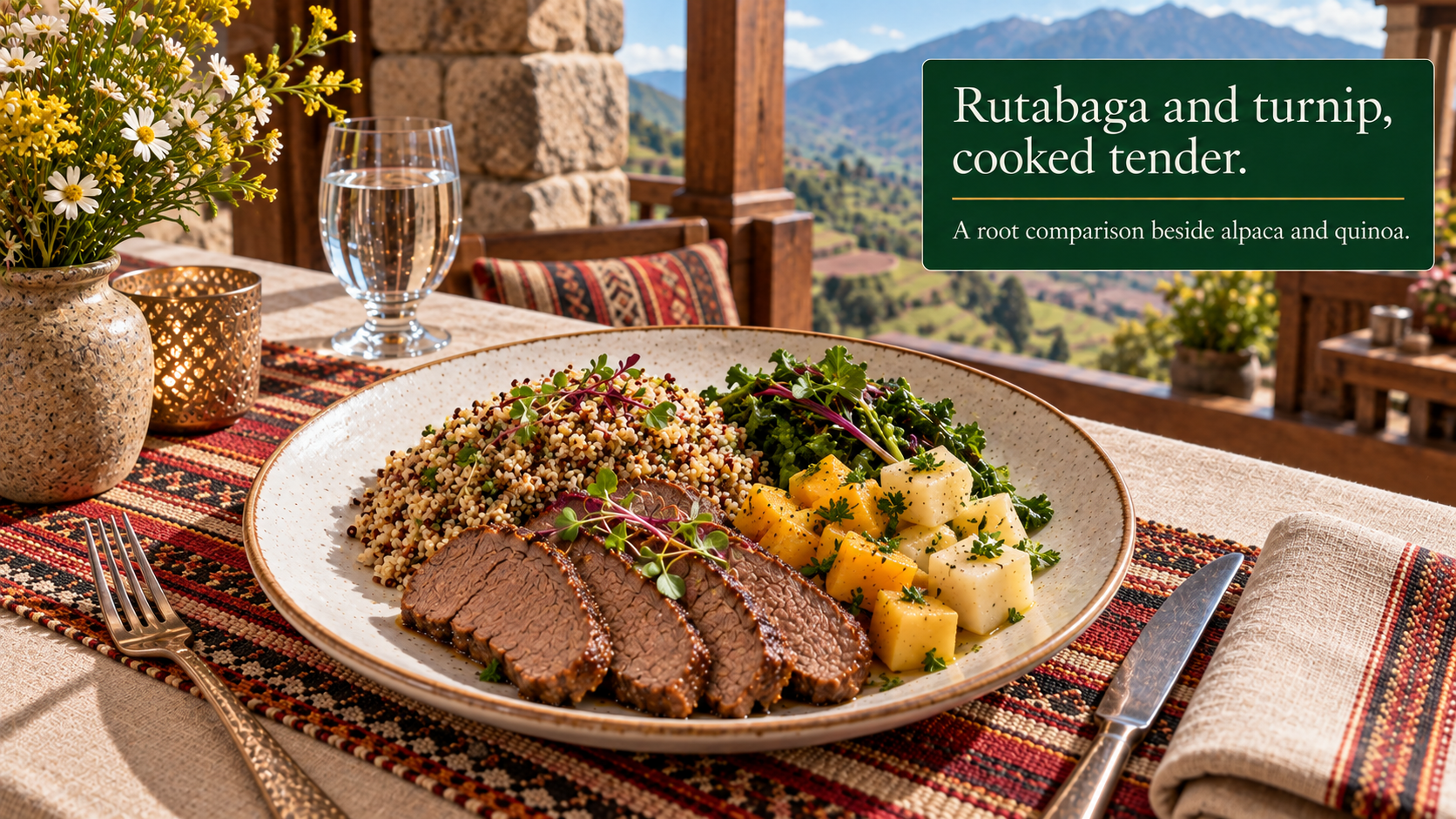
The two roots share a savory vegetable character, but the actual pieces may differ in density, moisture and strength of flavor. Cook both to comfortable tenderness before comparing them. A small plain serving of each is enough to learn which one you prefer beside the alpaca and grain.
Keep the seasoning the same for the first taste, then offer citrus or herb separately. If one root is stronger than you enjoy, reduce its share rather than trying to turn it into a sweet dish. Quinoa should stay a modest separate portion. A softer mash is a reasonable alternative when cubes feel too dense for the meal you want.
Choosing the serving while traveling
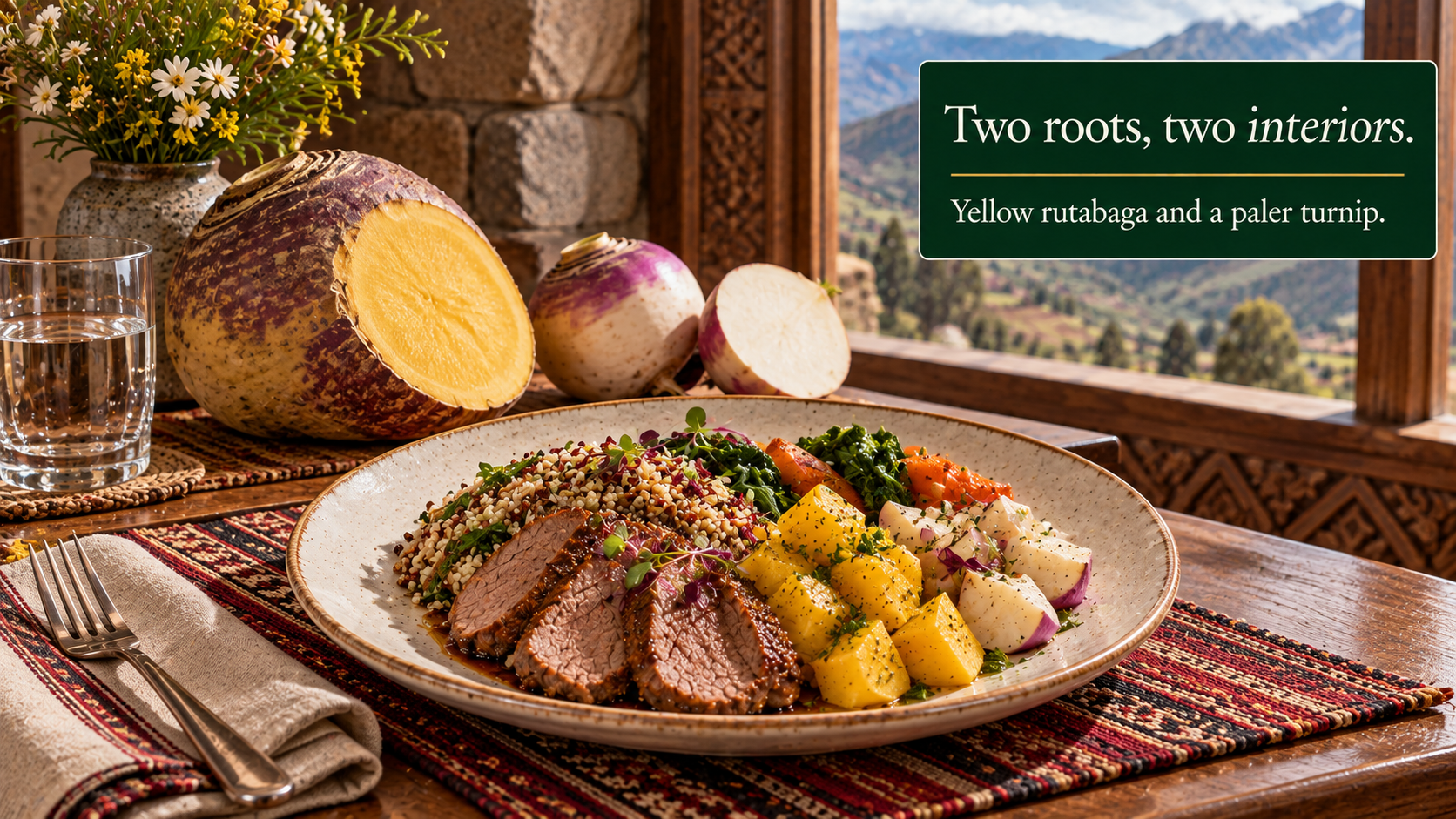
Ask whether the menu's turnip means the white-fleshed turnip or rutabaga, also called swede in some settings. Then ask whether it is served as pieces or mash. These are useful ordering distinctions because the name alone can leave the texture unclear. A small comparison side is enough when the root is unfamiliar.
Choose a manageable alpaca portion and check the kitchen's preparation for the cut. Quinoa supplies a separate grain accompaniment, while the roots add vegetable variety. You do not need equal amounts of every component. If you enjoy only one root, order that one next time rather than treating the comparison as a requirement.
Start with the name on the produce label
University of Minnesota Extension identifies turnips as Brassica rapa and rutabagas as Brassica napus. It describes rutabaga as generally harder and denser, usually with yellow flesh, while turnip flesh is usually white. These are useful tendencies, not a reason to assign a species to every purple-shouldered root in a photograph.
Ask the seller which product you are buying. Rutabaga may be called swede in other English-speaking settings, and the word turnip is used differently in some regional recipes. Keep the local product label with your cooking notes. If the intended comparison matters, confirm both roots before spending time preparing two portions of the same vegetable.
Choose tenderness at the market
Look for sound roots without wet decay or severe damage. Small, young turnips are often the more approachable starting point because oversized roots can be woody or strong. A rutabaga is commonly sold larger and may have a wax coating that needs to be removed with the peel.
Buy a manageable quantity for the first comparison. You need enough for a few bites of each, not two large mounds. A root's weight in the bag does not equal its trimmed serving weight, especially if the peel or damaged sections are thick. A smaller, fresher-looking specimen can be the better kitchen choice even when a larger one appears more economical.
Prepare the two roots separately
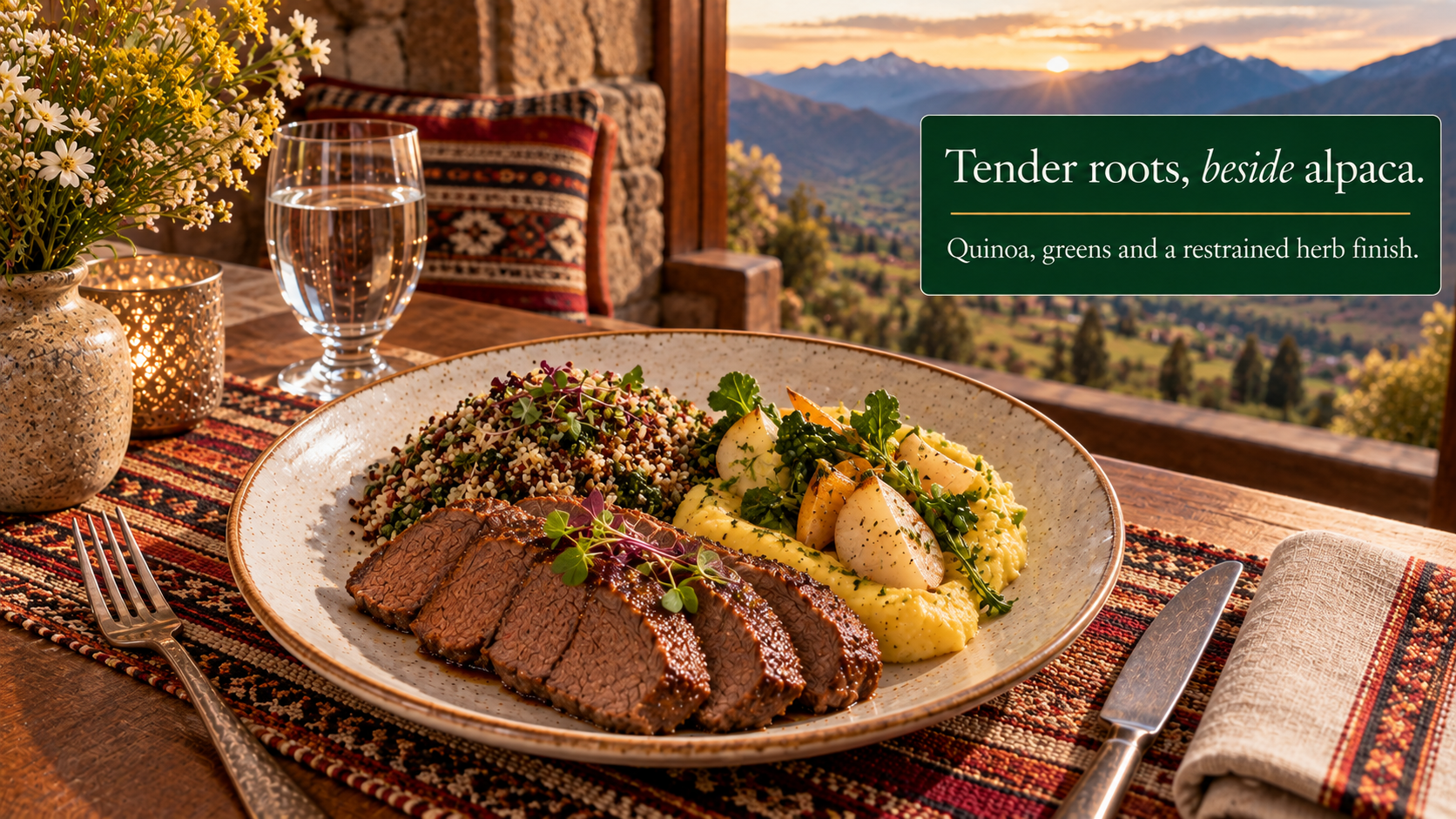
Wash each root before cutting. Stabilize it on the cutting board by making a flat base, then peel safely and cut into even chunks. Remove the waxed outer layer from rutabaga rather than treating it as an edible glaze. Keep the pieces in separate bowls so their identities are clear.
Use a smaller cut for the denser root if that makes the cooking easier, but do not expect the pots to finish together. Avoid comparing a large rutabaga cube with a thin turnip sliver and calling the result a fixed difference in flavor. Match the final tenderness first, then notice the qualities that remain distinct in the actual products you bought.
Cook until the thickest piece yields
For a gentle comparison, steam or boil the cut roots in separate pans until a fork enters the thickest piece easily. Drain well before tasting. University of Minnesota advises eating rutabaga cooked. A moist method gives the dense root a better chance of becoming tender before its outside dries.
If you prefer an oven finish, complete the moist cooking first and then spread the drained pieces in a dish briefly to dry their surface. Keep the comparison free of sweet glazes. Adding sugar at this stage would make it harder to decide how you feel about the root itself. Avoid overworking tender pieces into a mash unless that is the texture you deliberately want.
Taste them side by side with the same seasoning
Put a small plain portion of each root on the plate and add the same restrained seasoning to both. Try them separately before taking a combined bite with alpaca. Notice the texture as much as the flavor: one may seem denser, another more watery or sharper, depending on the particular batch.
Describe what you taste without turning it into a universal rule. If you dislike one root plain but enjoy it with the meal, that is a useful outcome too. A separate spoonful of citrus or chopped herb lets you test a change on a few pieces. It is easier to make a fair choice when a strong sauce has not already covered everything.
Let alpaca and quinoa complete the meal
Use food-grade alpaca from a dependable source and a verified safe cooking method appropriate to its cut. The alpaca preparation guide discusses the meat separately. Keep raw meat equipment away from the cooked roots and grain. A tender carved portion works well beside the roots because the diner can take a small amount with each sample.
Cook quinoa separately according to its package and fluff it before serving. Give it a modest place on the plate rather than putting both roots on top of a large grain mound. Start with small root portions and add more of the one you enjoy. The meal does not need a fixed equal division between turnip, rutabaga, grain and meat.
Know whether the leaves are another ingredient
This comparison concerns the cooked swollen roots. Turnip greens are another edible food form and need their own washing and preparation. A leaf dish does not tell you how the root will taste, and a root purchased without leaves does not require a greens substitution to make this comparison complete.
If the roots arrive with usable greens, separate them promptly and store them appropriately. You can cook the leaves for another meal or offer a small separately prepared portion, but keep the root tasting easy to follow. Do not assume that leaves attached to an unidentified market root are interchangeable with confirmed culinary turnip greens. Ingredient identity remains the first decision.
The images are editorial illustrations of ingredients and serving ideas. They do not document a named restaurant, a current harvest or an included retreat meal. Preparation guidance is not a tested recipe.
Leave room for the Sacred Valley
A visit to Machu Picchu can leave time for a good meal and a quieter stay in the valley. Ask Florian about The SoulSearching Experience, his five-day Sacred Valley seminar for 8-15 participants. Discuss dates, venue and meal arrangements directly.
Questions readers ask
Are rutabaga and turnip the same crop?
No. University of Minnesota Extension identifies turnip as Brassica rapa and rutabaga as Brassica napus. Their common names can overlap regionally, so confirm the actual product with the seller before starting a two-root comparison.
Why might a recipe call rutabaga a turnip or swede?
Regional English uses the names differently. Swede commonly refers to rutabaga, while turnip may denote a separate root or be used loosely in a regional dish. Resolve the product rather than using the recipe name as a botanical identification.
Should these roots be peeled?
For this cooked comparison, wash and peel them. Remove any waxed coating with the rutabaga peel. A young turnip may have a thinner skin, but preparing both cleanly makes the first texture comparison easier to follow.
University of Minnesota Extension: Turnips and Rutabagas · Purdue Extension: Turnip and Turnip Greens
How can a dense root be handled more steadily?
Make a flat stable base on a secure board and work with manageable sections. Do not hold a large slippery root in the air while forcing the knife through it. Ask the seller for a smaller root or prepared pieces if that suits you better.
What if the root is still fibrous after cooking?
Check the condition and age of the product and continue moist cooking when the center is simply firm. A woody old root may remain unpleasant. Choose a sound younger product next time instead of trying to hide woodiness with a heavy sauce.
How can I choose a milder turnip serving?
Start with a young sound root and cook it until tender. Keep the first portion small and taste it plain. If the batch is strong, reduce its share on the plate rather than automatically adding sugar or promising that a trick removes all bitterness.
Which method makes the first comparison easier?
Separate steaming or boiling gives a clear way to reach comparable tenderness without drying the outside. Drain well and season both roots lightly. An optional oven finish can come afterward, but this plate does not require a crust.
Where does rutabaga fit in the complete meal?
Serve a small tender portion beside alpaca and quinoa, with turnip alongside for comparison. Keep the roots distinct and the grain portion modest. Increase the root you enjoy after tasting rather than starting with equal large mounds.
Can rutabaga be served in pieces instead of mash?
Yes. Cut even pieces, cook with moisture until fork-tender and drain before plating. Keeping it in pieces makes its texture easier to compare with turnip. A mash remains a useful choice when you prefer a softer accompaniment.
How should I adjust a mash that feels too stiff?
Loosen a safely cooked portion gradually with a little fresh hot water or suitable plain broth. Taste as you go. Keep the two root mashes separate initially so you can decide whether you want to combine them.
Can extra turnip be used in soup?
Yes. Add prepared even pieces to a soup and cook until tender, or add an already cooked portion and heat thoroughly. Keep it a savory variation. A root soup is a different food form from turnip-leaf dishes.
Can extra cooked root be frozen?
Freeze suitable cooked portions promptly after cooling rather than leaving a large batch in the refrigerator without a plan. Label each root separately. For raw-root preservation, follow a tested extension process instead of adapting a recipe from another vegetable.
Can I substitute this root for all the potatoes in a meal?
It can occupy a similar serving space, but its flavor and cooking behavior differ. Try a small tender portion before replacing an entire familiar side. This plate keeps quinoa modest and lets the root comparison be its own decision.
How should the quinoa be prepared before cooking?
Follow the package's rinsing directions and use a fine enough strainer to retain the small grains. The point is to prepare the actual product without losing it through a coarse colander. Keep the roots separate while the grain cooks.
How do I keep the quinoa from becoming a wet base?
Cook according to the package, let excess steam escape and fluff before serving. Drain the roots well and place them alongside the grain. Do not pour a wet vegetable cooking dish directly over the quinoa.
Can the grain be prepared the day before?
Yes, if it is cooled promptly and refrigerated in a shallow container. Keep it out of prolonged room-temperature storage. Reheat hot leftovers to 165°F, and store root portions separately so their moisture does not soak the grain.
USDA FSIS: Leftovers and Food Safety · NDSU Extension: refrigerated overnight bean soaking
Can dried herbs replace fresh herbs on the root plate?
Yes, when the herb is suitable for the dish, but begin with less and taste because dried herbs differ in intensity. Season a small serving first, then use the same restrained amount on both roots if you want a fair comparison.
Can the two roots be cooked ahead on different schedules?
Yes. Cook each to tenderness, cool promptly and refrigerate separately. This is useful when the denser rutabaga takes longer. Reheat hot portions to 165°F and assemble with the meat and grain near serving.
How soon should the completed plate be chilled?
Refrigerate leftovers within two hours, or one hour above 90°F, using shallow containers. Do not wait for a deep pot to become cold on the counter. Keep the root names on the containers if you still want to compare them.
What is the next-day reheating target?
USDA recommends reheating leftovers to 165°F. Use refrigerated cooked leftovers within three to four days or freeze suitable portions. Add any fresh herb finish after reheating and avoid repeatedly warming the entire batch.