A soft fennel wedge can hold its layered shape on the fork. Its anise aroma gives a high-altitude Andean trout plate a clear flavor without a heavy sauce.
An illustrated serving concept in an Andean hotel setting.
Baked high-altitude Andean trout with braised Florence fennel
Prepare the fennel independently so its dense base has time to become tender. A few native potatoes and a little lemon can complete the fish plate. Use the fronds lightly; the softened bulb is the vegetable course.
Explore High-altitude Andean trout in the ingredient guide. Confirm the actual preparation and availability with the kitchen.
Florence fennel is grown for its swollen pale leaf bases, commonly called a bulb. Cut it into wedges and braise until tender, then serve beside cooked high-altitude Andean trout with native potatoes and lemon offered separately.
The featured ingredient, served on its own.
Illustrated serving concepts and an imagined Sacred Valley garden. These are not photographs of a named restaurant, a current harvest, or a tested recipe.
The bulb is the ingredient to recognize
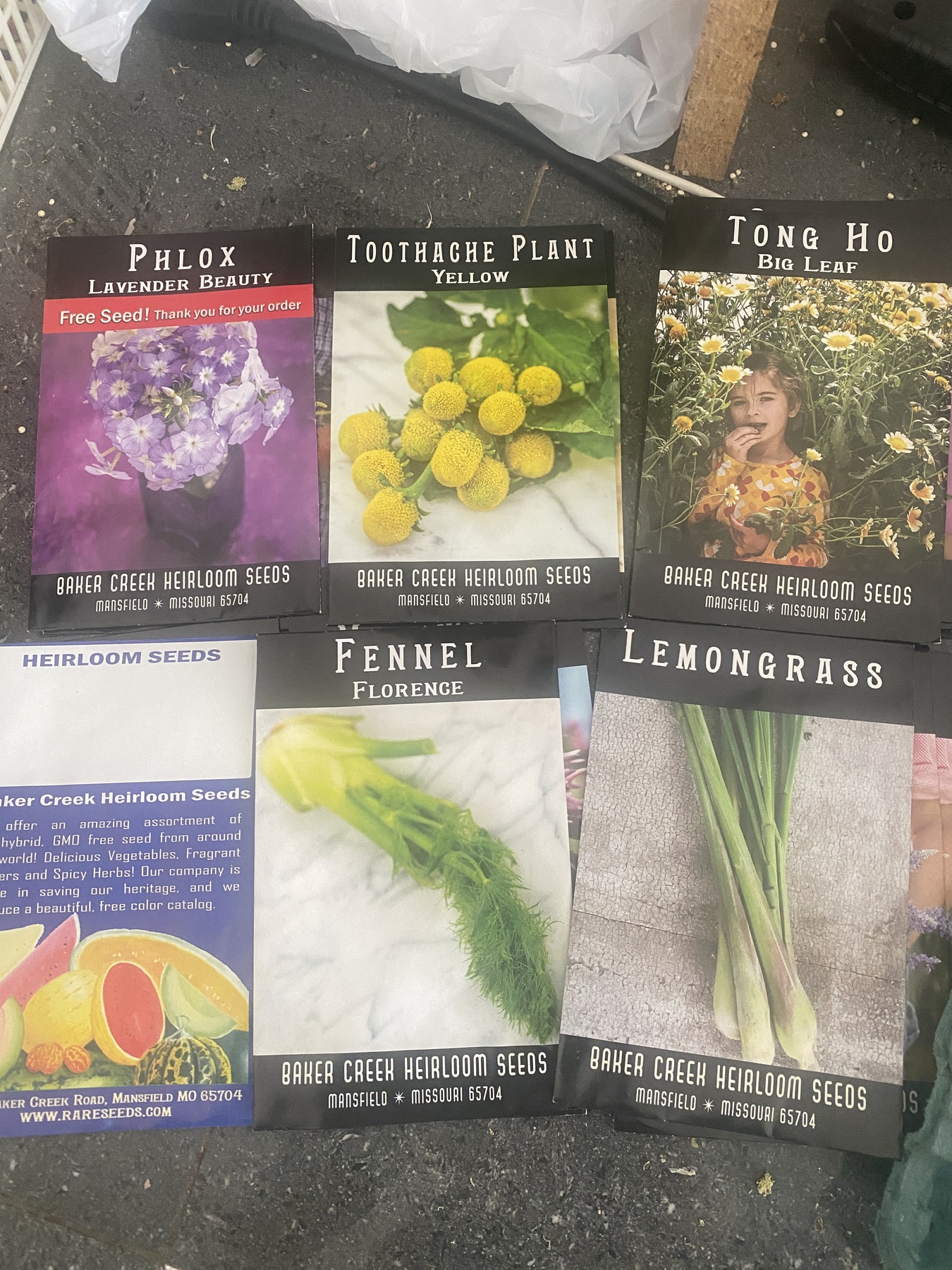
Florence fennel differs from the tall fennel grown mainly for leaves and seed. Its pale, overlapping leaf bases swell into the vegetable sold as a bulb. The photographed Florence packet makes that distinction useful: this page centers on a substantial vegetable accompaniment, with the fronds used sparingly for aroma.
Choose a firm base with sound layers. A wedge should show its curved structure, rather than resemble a round onion. Fennel, anise, and star anise have related aromas, but they are different ingredients. A spoonful of fennel seed cannot replace the volume or texture of a cooked bulb.
A complete high-altitude Andean trout plate gives fennel room
For a dinner prepared for guests, imagine cooked high-altitude Andean trout with a few tender fennel wedges and native potatoes. Keep the fish visible, and let the pale fennel sit alongside it. Lemon at the edge of the plate gives the diner a choice about acidity.
This is a proposed serving for an Andean hotel kitchen, subject to ingredients and the cook's judgment. It does not identify a current restaurant dish or establish that these seeds supply a hotel. Ask for the fish to be fully cooked and for the vegetable preparation to be explained when ordering.
A covered braise uses a little cooking liquid around the wedges. The goal is tenderness through the thicker base while the pieces still hold together. Trim damaged outer material, wash the bulb, and cut pieces of a similar thickness so that one wedge does not remain hard beside another that collapses.
A mild vegetable broth suits this serving. If you prefer no added oil, ask whether the kitchen can braise the fennel in broth without an initial sear. The menu word braised does not establish the amount of added fat. This concept has no tested time or measured recipe attached.
Two vegetable servings make different use of the bulb
As a first vegetable course, serve broad braised wedges with a small spoonful of the cooking liquid and chopped fennel fronds. The pale layers are the main interest. A restrained finish leaves room for the fish course that follows.
For another serving, shave a sound bulb finely and combine it with cucumber and a little lemon. That plate has a crisp texture instead of the softness of the braise. It is a raw produce choice, so washing and handling matter. The two versions belong together here because they answer the same question: how do you want this bulb to feel?
Use the fronds without turning the plate into a herb pile
The fine green foliage is edible and can season fish or a finished vegetable. Separate that delicate use from the fibrous stalks, which may suit a strained broth better than a large garnish. Give a diner an easily eaten plate, with no long tough pieces to negotiate.
If anise flavor is unfamiliar, a small serving of the cooked bulb is a reasonable introduction. Ask for the fronds and any seed seasoning to be modest. That is a taste preference, not a nutritional prescription. There is no need to describe this accompaniment as a detox or attach a digestive promise to it.
Florence is the fennel name recorded in the collection. A packet establishes the planned crop, not a harvested bulb, an organic growing system, or year-round local supply. A named variety is worth retaining even when the rest of the story is still a proposal.
Fennel can bolt before developing a useful bulb. General cultivation sources discuss moisture, season, and variety, but a Sacred Valley garden needs its own site assessment. The small garden image should show the correct growth form without presenting a completed planting or promising how the crop will perform at altitude.
A meal can fit around a quieter Sacred Valley stay
A clear dinner choice makes practical travel planning easier: cooked fish, a tender vegetable, and a starch you recognize. Confirm the available kitchen service and any dietary needs with the hotel rather than relying on an illustrated serving idea.
The SoulSearching Experience is a separate five-day Sacred Valley retreat for 8-15 participants, with no plant medicine. If that is part of your visit, leave enough space in the itinerary for the retreat itself. This fennel plate is culinary inspiration and does not promise included meals, garden visits, or a particular hotel.
A table within a longer stay
Food can give the days around Machu Picchu a welcome sense of place. If you would also like time for reflection, explore a Sacred Valley retreat before or after your visit. Florian Rolke offers The SoulSearching Experience, a five-day seminar for 8-15 participants, with no plant medicine.
Ask for the current dates, venue, price and inclusions before arranging the rest of your trip. These dishes, restaurant visits and garden visits are ideas to explore; they are not confirmed seminar inclusions.
Questions about this dish
Adapted from public cooking questions and published FAQs. Answer sources are linked below each response. Broader ingredient questions are included where they help with this serving.
How is fresh fennel prepared for a cooked plate?
Trim damaged outer material, wash the bulb, and cut it into wedges or slices. Florence fennel's pale swollen leaf bases are the substantial vegetable part used in this serving.
Check the thickest part of a wedge for the tenderness wanted on the plate. Size and method change the result, so an untested illustration cannot supply a universal cooking time.
They are different herbs. Fennel has an anise-like aroma, and Florence fennel supplies an edible swollen base that dill does not. Replacing a garnish differs from replacing the vegetable itself.
No. Similar-looking aromatic seeds are not the same plant or seasoning. Neither gives the volume and layered texture of a Florence fennel bulb in this dish.
Their aromas can overlap, but fennel and anise are different plants. The bulb also contributes a vegetable texture, while a seed seasoning supplies concentrated aroma.
No. This proposed serving uses Florence fennel bulb and a modest amount of frond. Pollen is a separate seasoning and is not established by the photographed packet or needed to complete the plate.
No. Ground and cracked seed are concentrated seasonings. Their conversion belongs to a recipe using seed; it cannot replace the moist, substantial wedges of Florence fennel shown here.
Does a whole-seed measure convert directly to ground fennel?
Grinding changes packing, so use the quantities of a complete recipe rather than assuming equal volume. The braised-bulb concept does not require a seed substitution.
Yes. Sound, washed Florence fennel can be shaved for a crisp salad. The cooked wedges and the raw salad offer different textures, so choose deliberately rather than expecting the same bite.
Why might fennel flavor disappear in a mixed dish?
A strong base can overshadow a more delicate fennel note. In this plate, distinct braised wedges give the vegetable its own portion instead of blending it through a tomato soup.
What changes between boiling and steaming the vegetable?
Boiling places the food in water; steaming holds it above the water. A covered braise uses another amount of liquid again. Select the method for the texture and finish wanted.
Is there one cooking time for tender fennel wedges?
No. Wedge size, equipment, and the intended tenderness matter. The kitchen should use a complete method and check the thick base instead of copying an untested time from a picture.
Steaming is another vegetable method. It will not give precisely the same liquid-coated finish as a braise, so the kitchen should season the cooked wedges for that version.
Season the food itself after or during its appropriate preparation rather than assuming aromatic water will season every piece. Fennel already contributes its own aroma; a little lemon can finish it.
A roast exposes the wedges to oven heat, while the proposed covered braise emphasizes moisture and soft layers. Ask which finish is intended and whether oil is added.
Crowding changes how moisture leaves food. A tray intended to brown vegetables needs a different arrangement from a covered braise intended to keep fennel moist.
The kitchen should finish cooking the thick parts before plating. Use similarly sized pieces and a suitable method, rather than compensating for a hard center with more sauce.
No. Use sound culinary trimmings and a balanced stock method. Damaged material or a large quantity of strong aromatic scraps can give a result the cook did not intend.
It may be usable when the ingredients and method are appropriate, but taste and handling still matter. A little braising liquid can accompany the fennel; it is not automatically a finished stock.
Yes. Wash produce before preparation and remove damaged material. Cooking plans do not remove the need for clean handling of the bulb, knife, and board.